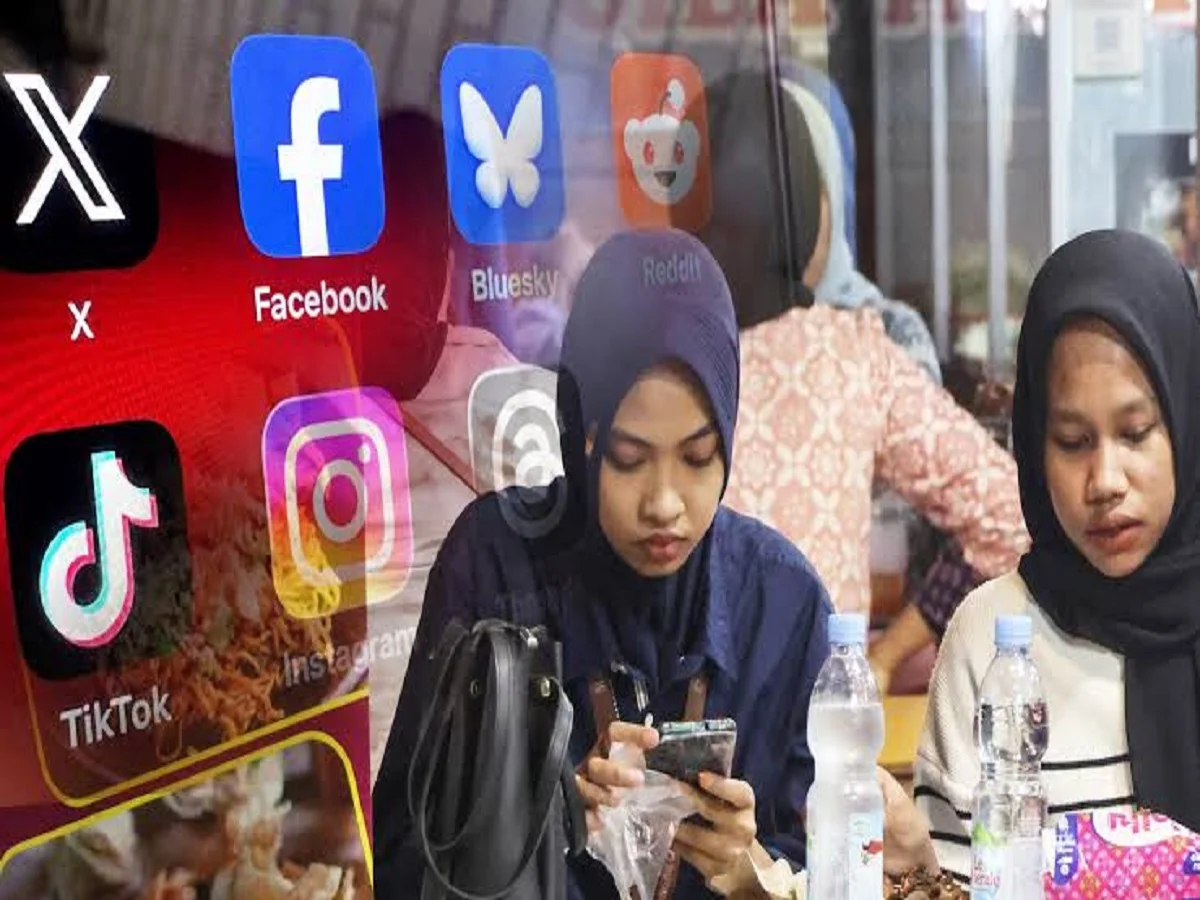
Social media has become an integral part of everyday life, with people of all ages spending hours on platforms such as YouTube, TikTok, Instagram, and X. However, growing concerns over excessive screen time, online safety, and the mental well-being of children have prompted governments worldwide to introduce stricter digital regulations.
Indonesia has now taken a major step to strengthen child protection in the online space. Under newly introduced regulations, social media platforms have removed millions of accounts belonging to users below the permitted age, placing greater responsibility on technology companies to verify users' ages and create a safer digital environment.
Indonesia Tightens Online Safety Rules for Children
As part of its latest digital safety initiative, the Indonesian government has implemented stricter regulations aimed at protecting minors from the potential risks associated with social media.
Following the rollout of these rules, major technology platforms have taken large-scale enforcement action against accounts believed to belong to users under the age of 16.
According to official information shared by the authorities, more than 4.7 million accounts have been removed across YouTube and TikTok as part of the compliance process.
TikTok Removed the Largest Number of Accounts
The majority of the deleted accounts were reportedly removed by TikTok.
The action included:
- TikTok: Approximately 4.1 million underage accounts removed.
- YouTube: Around 600,000 accounts taken down.
The government said the move is intended to improve children's online safety and reduce their exposure to potentially harmful digital content.
Social Media Companies Now Bear Greater Responsibility
One of the most significant changes introduced by Indonesia's new policy is the shift in responsibility for age verification.
Previously, ensuring that children used online platforms responsibly largely depended on parents, guardians, and schools. Under the updated framework, social media companies themselves are expected to play a much more active role.
The new rules require platforms to:
- Identify users who are below the permitted age.
- Verify users' ages more effectively.
- Prevent children under 16 from accessing services where restrictions apply.
- Strengthen measures designed to protect minors from inappropriate online content.
The government believes that technology companies should share greater responsibility for maintaining a safer digital ecosystem rather than relying solely on parental supervision.
High-Risk Platforms Face Stricter Oversight
The regulations specifically target platforms that Indonesian authorities have classified as high-risk due to their popularity among younger users and the nature of user-generated content.
These platforms include:
- YouTube
- TikTok
- X (formerly Twitter)
- Roblox
Authorities are expected to closely monitor how these companies implement age verification and child safety measures under the new regulatory framework.
A New Approach to Child Online Protection
The policy, introduced in March 2026, is being viewed as one of Indonesia's strongest digital child protection initiatives to date. It reflects a broader global trend in which governments are seeking greater accountability from technology companies regarding the safety of young internet users.
Experts say stronger age verification systems and improved platform moderation could help reduce children's exposure to harmful or age-inappropriate content while encouraging safer online experiences.
Why the Move Matters
Children are increasingly spending time on social media platforms for entertainment, education, and communication. While these services offer several benefits, they also expose young users to risks such as cyberbullying, harmful content, privacy concerns, and excessive screen time.
Indonesia's latest action highlights the growing importance of balancing digital access with child safety. By requiring platforms to verify users' ages and remove accounts that violate age restrictions, the government aims to create a safer online environment for minors.
As countries around the world continue to debate stronger regulations for social media platforms, Indonesia's approach may serve as a reference point for future child safety policies. Whether similar measures are adopted elsewhere remains to be seen, but the initiative underscores the increasing global focus on protecting children in the digital age.