LIFESTYLE
Indian Thali: Does Indian Thali really increase diabetes? Know for which people dal-roti is not right?
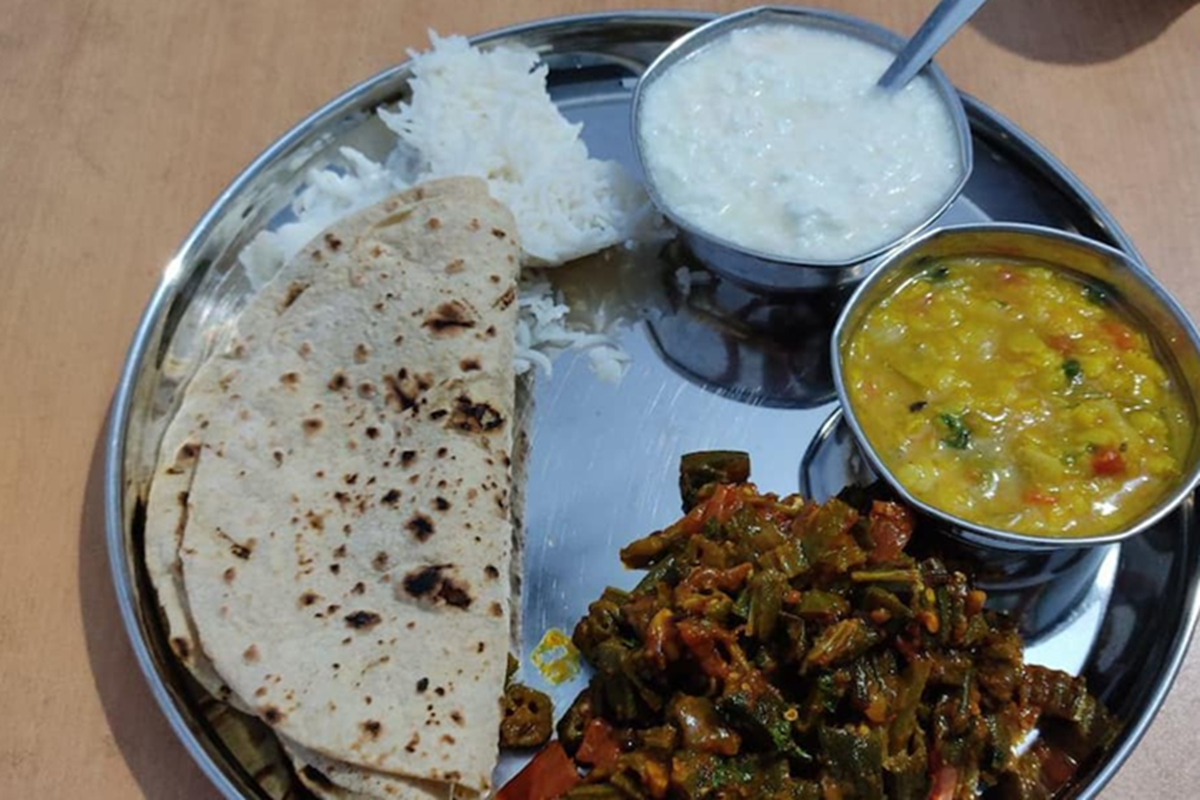
Is Dal Roti Bad For Blood Sugar? Doctors are now also looking at those eating habits that can play a role in increasing blood sugar and increasing the risk of obesity.
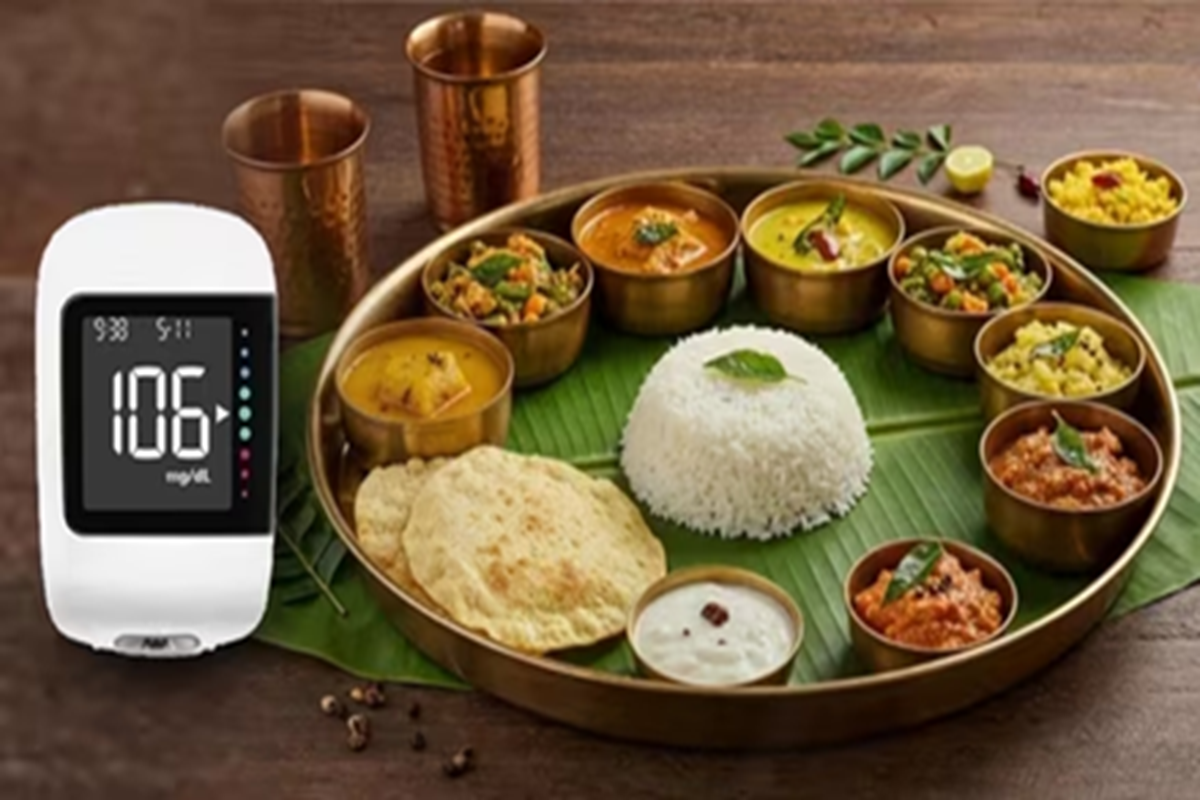
Does Indian thali increase diabetes?
Does Indian Thali Increase Diabetes Risk? It's rare to find a meal in India without lentils, roti, and rice on the plate. In many homes, people still eat both rice and roti at the same meal. This isn't just a matter of taste or habit, but rather a long-standing tradition. However, health experts now believe this habit could be a cause of concern for some.
Why is there a problem?
India already has one of the highest rates of diabetes in the world. Therefore, doctors are now also looking at dietary habits that may play a role in raising blood sugar and increasing the risk of obesity. Divya Jain, senior dietitian at CK Birla Hospital, Jaipur, explains that the problem isn't with dal, roti, or rice, but rather the quantity and manner in which they are consumed.
Who are the people being made sick by the Indian thali?
In fact, a typical Indian meal often includes rice, roti, potato curry, dal, sweets, and sometimes even sweetened beverages. Most of these items are rich in carbohydrates. When multiple carb sources are included in a single meal, the glucose load on the body increases. This can be especially severe for those who already suffer from conditions like prediabetes, diabetes, obesity, high blood pressure, or insulin resistance.
What mistakes do we make?
Divya Jain says that the biggest problem today is that people's meals are rich in carbohydrates, but low in protein and fiber. Many people eat rice with two or three rotis, while limiting protein-rich foods like cheese, yogurt, eggs, fish, chicken, or lentils. Vegetables are often seen as a side dish.
What should we keep in mind?
Modern lifestyles have exacerbated this problem. Previously, people engaged in more physical exertion, which allowed the body to utilize excess energy. However, long periods of sedentary work, reduced physical activity, and an increased consumption of processed foods are increasing health risks. However, this doesn't mean you should stop eating rice or roti. Experts say both can be part of a balanced diet. The key is to maintain the right balance in your plate.
What should our plate be like?
For a healthy plate, fill half your plate with vegetables and salad. Include a protein source like lentils, paneer, eggs, chicken, fish, or yogurt in one-quarter. Fill the remaining quarter with chapatti or rice. Avoid regularly eating large quantities of rice and chapatti together. Experts say that the risk of diabetes increases not due to any single food item, but due to long-term unbalanced eating habits. Therefore, the need is not to give up lentils and chapatti, but to balance your plate.