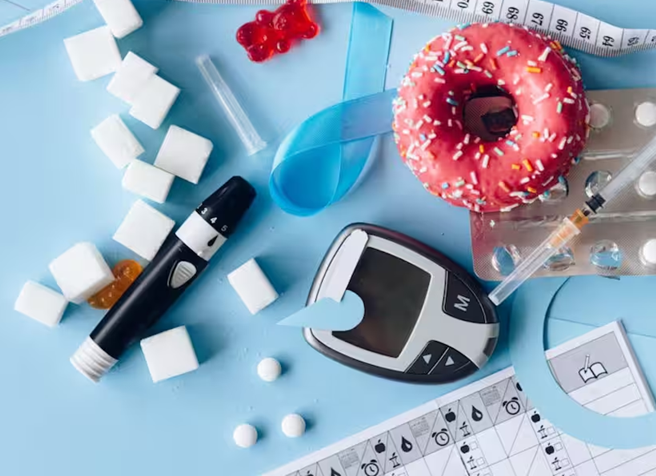
Insulin is the hormone that controls blood sugar. When the body's cells stop responding normally to insulin, it's called insulin resistance.
Insulin resistance control
Often, increasing belly fat, feeling tired throughout the day, frequent cravings for sweets, and a feeling of heaviness in the mind are considered normal. However, experts believe that these signs can be an early warning sign of increasing insulin resistance and fatty liver. The problem is that most people don't notice this until blood sugar levels rise significantly. Experts have drawn attention to everyday Indian food and lifestyle habits that can gradually make the liver fatty and the body insulin resistant.
What is insulin resistance?
Insulin is the hormone that regulates blood sugar. When the body's cells stop responding normally to insulin, it's called insulin resistance. This can be due to factors like poor diet, lack of physical activity, stress, smoking, and alcohol consumption. Experts say that prediabetes and early fatty liver can be significantly improved by timely lifestyle changes. Experts say that two common causes of fatty liver are excessive alcohol consumption and non-alcoholic fatty liver disease. Non-alcoholic fatty liver disease is linked to obesity, a sedentary lifestyle, a diet rich in refined carbs and saturated fats, insulin resistance, and conditions like diabetes.
1. Eating late at night:
According to experts, eating late at night disrupts the body's circadian rhythm. Insulin sensitivity decreases at night, which can lead to increased blood sugar and cortisol levels. Long-term, this pattern can impair sugar control. Therefore, it is considered better to have dinner early and prioritize vegetables in the diet.
2. Lack of protein in breakfast
Starting the day with a high-protein and low-glycemic breakfast helps maintain blood sugar balance throughout the day and reduces cravings. Experts say that including healthy fats and fiber in every meal and keeping sugar intake low can help maintain stable energy levels. Adequate sleep and stress management are also essential for hormonal balance and blood sugar regulation.
3. Not doing strength training
Strength training helps improve insulin sensitivity. It improves blood flow and can reduce the risk of diabetes-related complications such as nerve damage and eye problems. It also helps in weight control, lowering blood pressure, and improving cholesterol levels, thereby reducing the risk of heart disease.