LIFESTYLE
How To Clean Steel Utensils: Old steel utensils will shine like new; just apply this one household item.
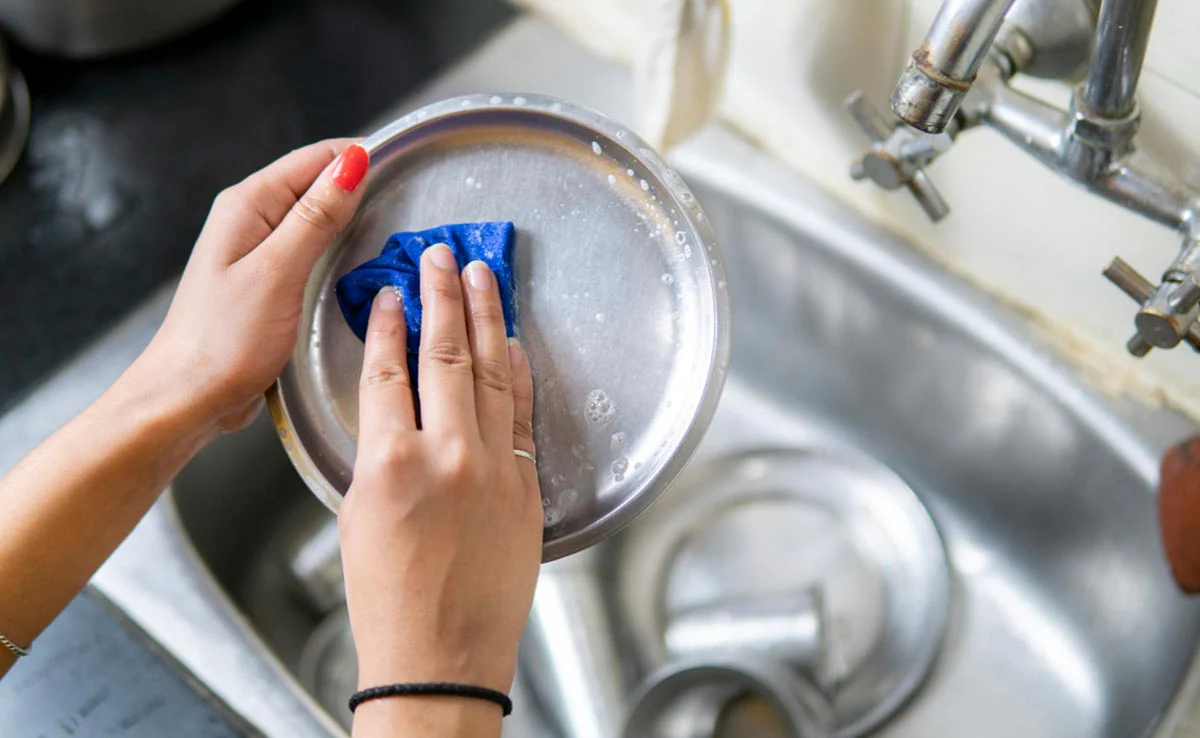
Shine Old Steel Utensils: The most important thing when cleaning steel utensils is to avoid scrubbing them too vigorously. Baking soda can help loosen built-up grease and dirt.
How to shine old steel utensils?
Restore Shine to Dull Stainless Steel Dishes: Old steel utensils lose their shine over time. With daily use, oil, food residue, and water marks accumulate on them. These deposits gradually form a layer, leaving the surface dull and stained. Sometimes, even after repeated washings, the utensils fail to regain their original shine. This doesn't mean the utensils are damaged or need to be replaced. Proper cleaning methods can loosen the accumulated dirt without scratching the steel surface.
The most important thing when cleaning steel utensils is to avoid scrubbing them too vigorously. Baking soda can help loosen built-up grease and dirt, while diluted vinegar can be used for water marks. Lemon can also work on stubborn stains, and dishwashing liquid may be sufficient for removing everyday grime. Always start with a gentle method and only progress to the next cleaning method if necessary.
Baking Soda for Greasy and Dull Dishes
If steel utensils have lost their shine due to oil and dirt from daily use, baking soda can be helpful. Mix a little baking soda with a little water to create a thin paste. Gently apply this paste to the dull or greasy surface of the utensils and leave it for a few minutes. Then, gently clean with a soft sponge. Be careful not to scrub the utensils vigorously. After cleaning, rinse thoroughly with water and dry with a clean cloth.
Diluted Vinegar for Water Marks
Sometimes, even after washing steel utensils, water spots or white marks appear on them. This can make the surface appear dull, even though the utensils are clean. To remove such marks, mix equal parts white vinegar and water. Lightly dampen a soft cloth in this solution and gently wipe the water mark. After a while, rinse the utensils thoroughly with water. After this, it is important to immediately wipe them with a dry and clean cloth. Leaving water to dry on the surface of the utensils can cause water marks to form again.
Lemon and baking soda for stubborn stains
If a stain remains on a steel vessel even after general cleaning, lemon and baking soda can be used. Pour a small amount of baking soda onto the stained area. Then, gently rub the area with half a lemon. The mild acidic nature of the lemon and the baking soda can help loosen the surface grime. Avoid applying too much pressure. Once the stain is removed, rinse the vessel thoroughly and dry it immediately.
A little olive oil for shine
A small amount of olive oil can be used to give a slightly shinier appearance to steel surfaces after cleaning. Instead of pouring the oil directly onto the vessel, apply a few drops to a soft microfiber cloth. Apply a very thin layer of oil to the outer surface of the vessel. After about a minute, gently buff the surface with a dry part of the cloth. Be careful not to overdo it. Excessive oil can make the vessel sticky, allowing dirt to easily adhere to it. This method is especially useful on the outer surfaces of steel serving bowls, plates, and other similar items.
Finally, wipe with a dry cloth.
The final cleaning also makes a significant difference in the shine of utensils. After thoroughly rinsing off the cleaning solution with water, dry the utensils thoroughly with a soft microfiber cloth. Gently wiping away any remaining moisture from the surface with the cloth reduces the likelihood of water stains forming. This simple step can help items like serving bowls and cutlery look cleaner and shinier.
Avoid these mistakes while cleaning steel utensils.
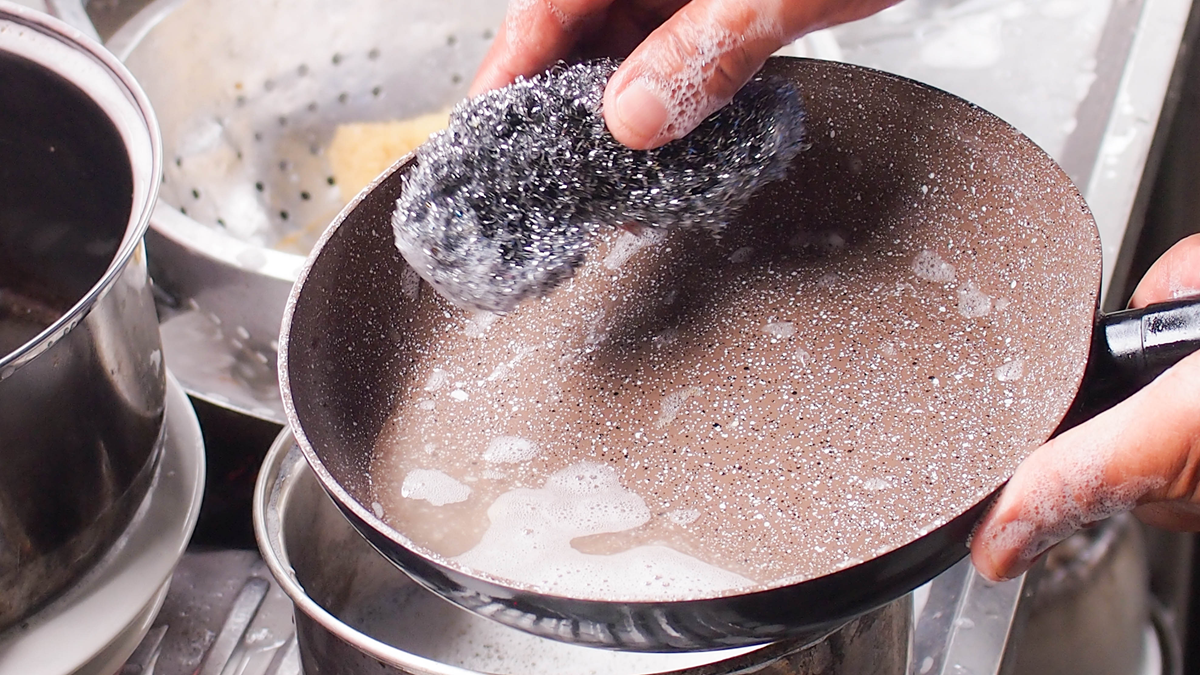
Avoid using steel wool or overly rough scrubbers on old steel utensils. This can cause fine scratches on the surface. These scratches may not be visible initially, but over time, the shiny surface may begin to dull. It's also important not to scrub the utensils too vigorously. After applying the cleaning solution, let it sit for a while and then clean with a soft sponge or cloth. Avoid leaving detergents like vinegar or lemon on the utensils for too long. After use, it's important to rinse the utensils thoroughly with water and dry them completely.