
LIFESTYLE
How to Clean Ceiling Molding: Got dirt on the ceiling edge? How to clean it without scratching it
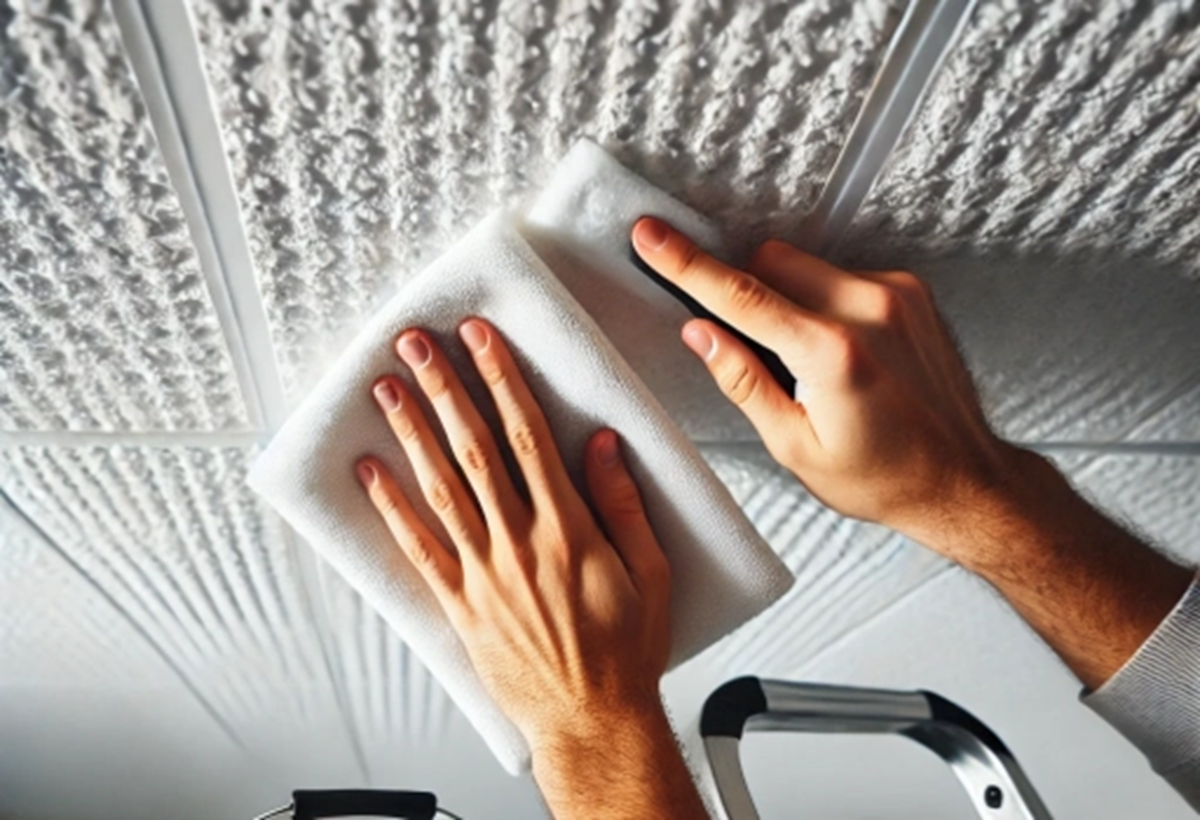
Deep Cleaning Hacks: If the roof of your house is very old and you suspect that it may contain asbestos, then do not try to clean, scrape, or tamper with it in any way.
How to clean dust and cobwebs from ceiling edging
How to Remove Cobwebs From High Ceilings Fast: Cleaning a ceiling edge that accumulates dust, cobwebs, and dirt can be a bit tricky. Especially if the ceiling has a raised surface or a design, using a cloth or brush can damage the surface. Therefore, it's important to be careful while cleaning. Fortunately, no special equipment is required. With the right approach and a gentle hand, the accumulated dust and dirt can be removed without scratching.
If your home has an older ceiling and you suspect it may contain asbestos, do not attempt to clean, scrape, or otherwise disturb it yourself. If the ceiling surface is already cracked, the plaster or texture is peeling, or you are planning to perform any work that could damage the ceiling coating, it is best to consult a qualified asbestos professional.
Clean the ceiling with a vacuum cleaner.
The easiest way to clean general dust and cobwebs from ceiling edges is with a vacuum cleaner. It should be fitted with a soft brush attachment. This eliminates the need for vigorous dusting, and the vacuum sucks up the dust immediately. This also reduces the chance of dust falling onto the floor and furniture below.
Before you begin cleaning, remove any small items from around the area. You can cover furniture and floors with old sheets or cloths. The ceiling's raised surface can be delicate, so even with care, small pieces may fall off. Then, gently clean the edge of the ceiling with the vacuum's soft brush attachment.
Do not press the brush too hard on the ceiling.
Be careful not to press the brush down on the ceiling. Try to keep the bristles just lightly touching the surface, or if necessary, hold the vacuum slightly away. The goal of cleaning is not to scrub away dust, but to suck it up with the vacuum. Applying too much pressure can break the ceiling's raised layer and cause the area to look damaged.
If your vacuum comes with an extension wand, it's more convenient to use. This allows you to reach more areas of the ceiling while standing on the ground. A ladder may be necessary in some areas. If using a ladder, place it on a level, sturdy surface. Instead of standing on a ladder and bending over to reach another area, get down and reposition the ladder.
Use a duster in the corners.
In areas like ceiling corners or around light fixtures where the vacuum brush can't easily reach, use a clean microfiber cloth or synthetic duster. Use a very gentle motion rather than rubbing the surface. Applying too much pressure can remove the top layer of the ceiling.
Do not clean the roof by pouring water on it.
Avoid using water when cleaning such raised ceiling surfaces. Overly wet surfaces can soften and cause cracking or peeling. Therefore, it's best to use dry cleaning methods to remove only dust and cobwebs.
If the ceiling has a small stain other than dust and you're certain it doesn't contain asbestos, first try this cleaning method in an inconspicuous area. If the ceiling is painted, you can gently dab a slightly damp sponge onto the stained area. A small amount of mild dish soap can be used. But keep the water very low and don't rub the stain.
If you see water stains, fix the leak first.
If you see water stains on your ceiling, simply cleaning the stains isn't the right approach. It's important to first determine the source of the water. If there's a leak in the ceiling, pipes, or elsewhere, fix it first. Only then should you consider cleaning, priming, or painting the ceiling. Otherwise, the stains may reappear.
How many times a year should you clean?
Cleaning the ceiling edge strip doesn't need to be done every week. In most rooms, dusting once or twice a year is sufficient. However, in areas like kitchens, grease can accumulate along with dust. Rooms with fireplaces or ceiling fans can also see dirt more quickly.