LIFESTYLE
Fever Symptoms: Body temperature rises during fever, so why do we feel cold? Understand here.
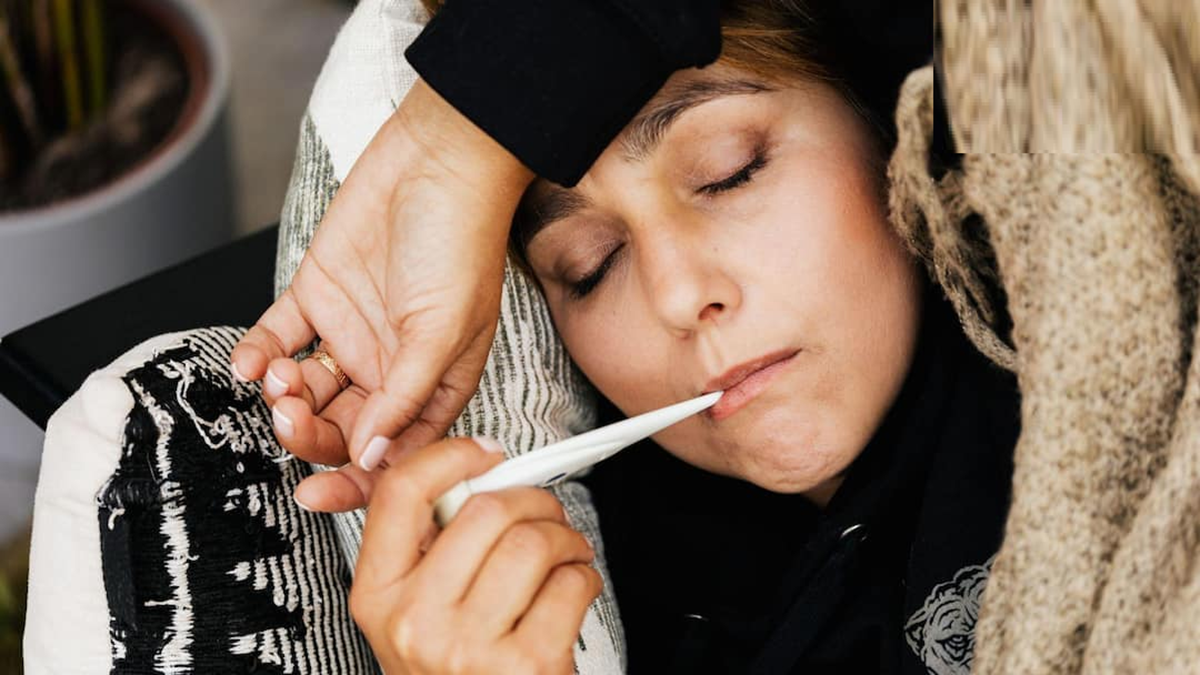
Fever warms the body, but sometimes we feel cold and shiver. What happens inside the body that makes us feel cold even in the heat? Find out why.
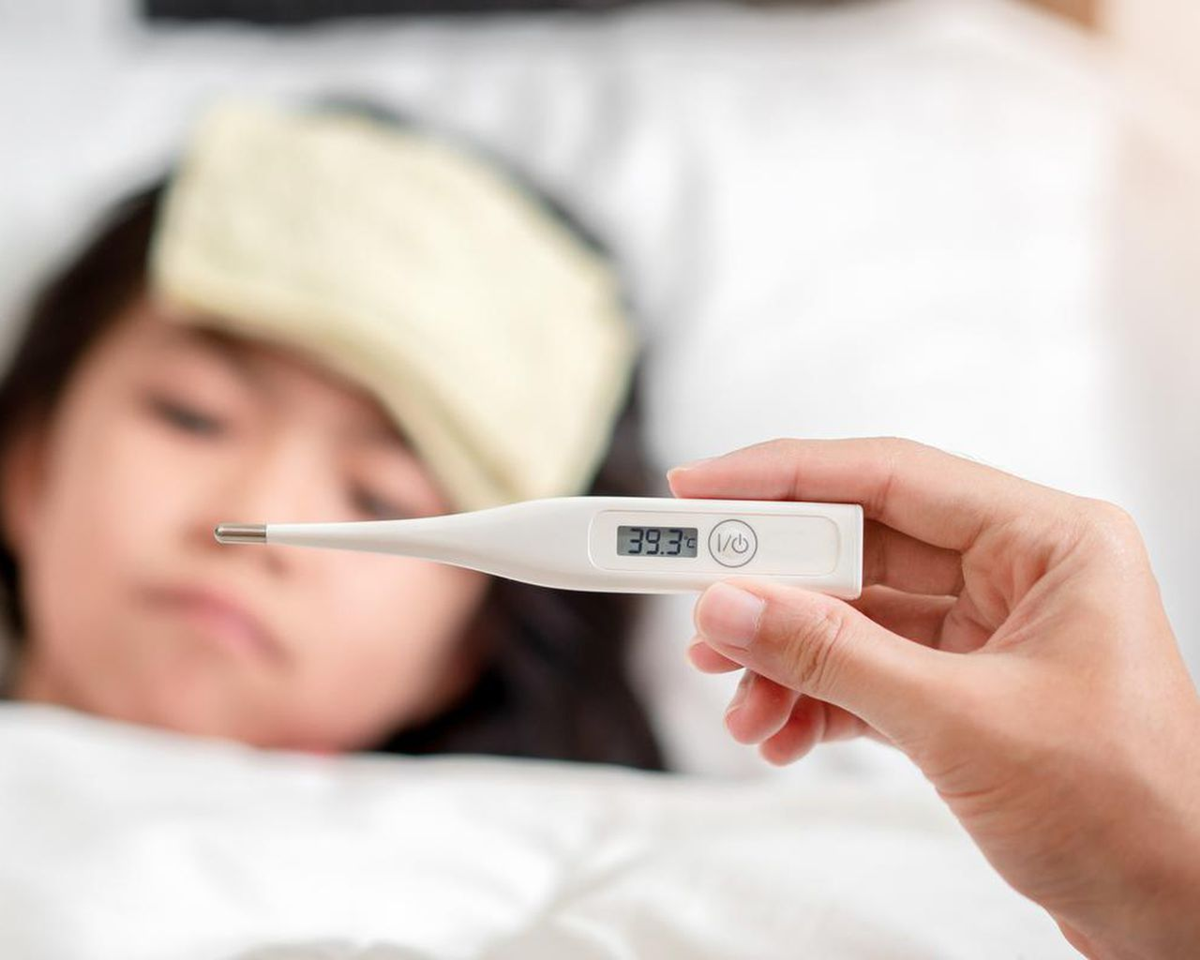
Why do we feel cold during fever?
When we have a fever, our body temperature rises. We often feel warm, but sometimes the opposite happens. Despite our warm bodies, we feel cold and even our teeth chatter. Many people even feel like wrapping themselves in a blanket during this time. This is due to a specific part of our brain and our body's ability to fight disease. When a virus or bacteria infects the body, the brain signals the body to increase its temperature, which is why we feel cold. Let's understand why this happens during fever.
This part of the brain determines body temperature.
Our brain has a part called the hypothalamus. It can also be called the body's thermostat. Just as a thermostat regulates the temperature in a house, the hypothalamus controls body temperature. Normal body temperature is considered to be around 37 degrees Celsius (98.6 degrees Fahrenheit), but this varies slightly from person to person. When an infection occurs, the immune system, the ability to fight disease, is activated. During this time, the body releases certain chemicals called pyrogens. These chemicals send a message to the hypothalamus in the brain to increase the body temperature. The hypothalamus then sets a new temperature target.
Why does one feel cold even when the body is warm?
Now the question arises: why do we feel cold when the body temperature is already rising? In fact, when the hypothalamus sets a new body temperature, the current body temperature is lower than that new target. The brain senses that the body is still cold and needs to be warmed up further. This is why we feel cold. During this time, our hands and feet become cold, and we begin to shiver. The body's muscles contract and relax rapidly, generating heat and increasing the body temperature. This is why many people feel cold when they have a fever, even though their bodies are warming up internally.
Sweating occurs when the fever subsides.
When it's time to lower the body temperature while fighting infection, the hypothalamus lowers its set temperature again. Now, the body's temperature exceeds the new target. The body attempts to cool itself by sweating and dilating the skin's veins, releasing heat. This is why many people sweat profusely as the fever subsides and don't feel as cold as before. If the fever is accompanied by difficulty breathing, extreme weakness, fainting, or a persistent high fever, you should consult a doctor. Continue drinking water and other fluids during the fever and monitor your temperature.