LIFESTYLE
How many heart attacks can our heart withstand at once? When does it become difficult to save a life?
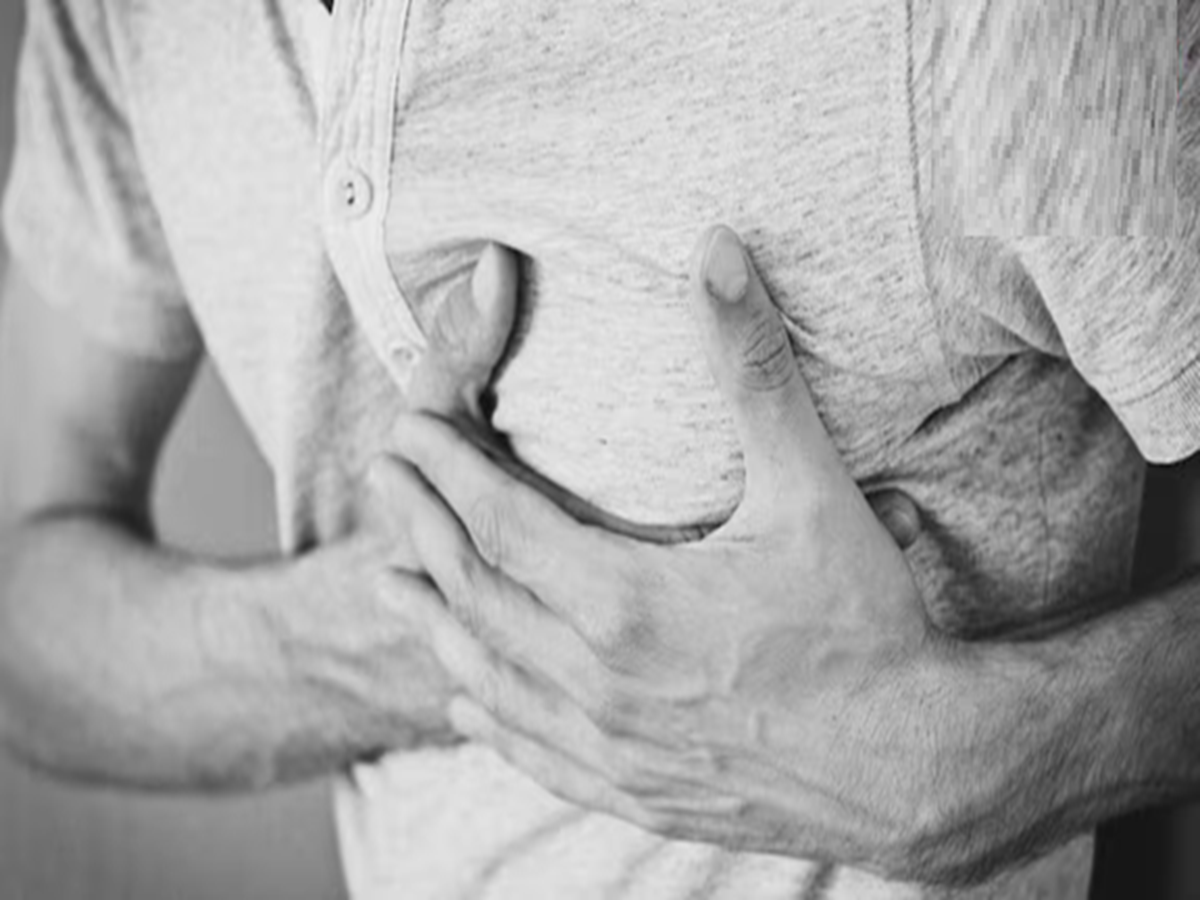
Can a person suffer multiple heart attacks? Learn about the causes of heart attacks, their common symptoms, the risk of a second attack, and when it's most difficult to save a patient.
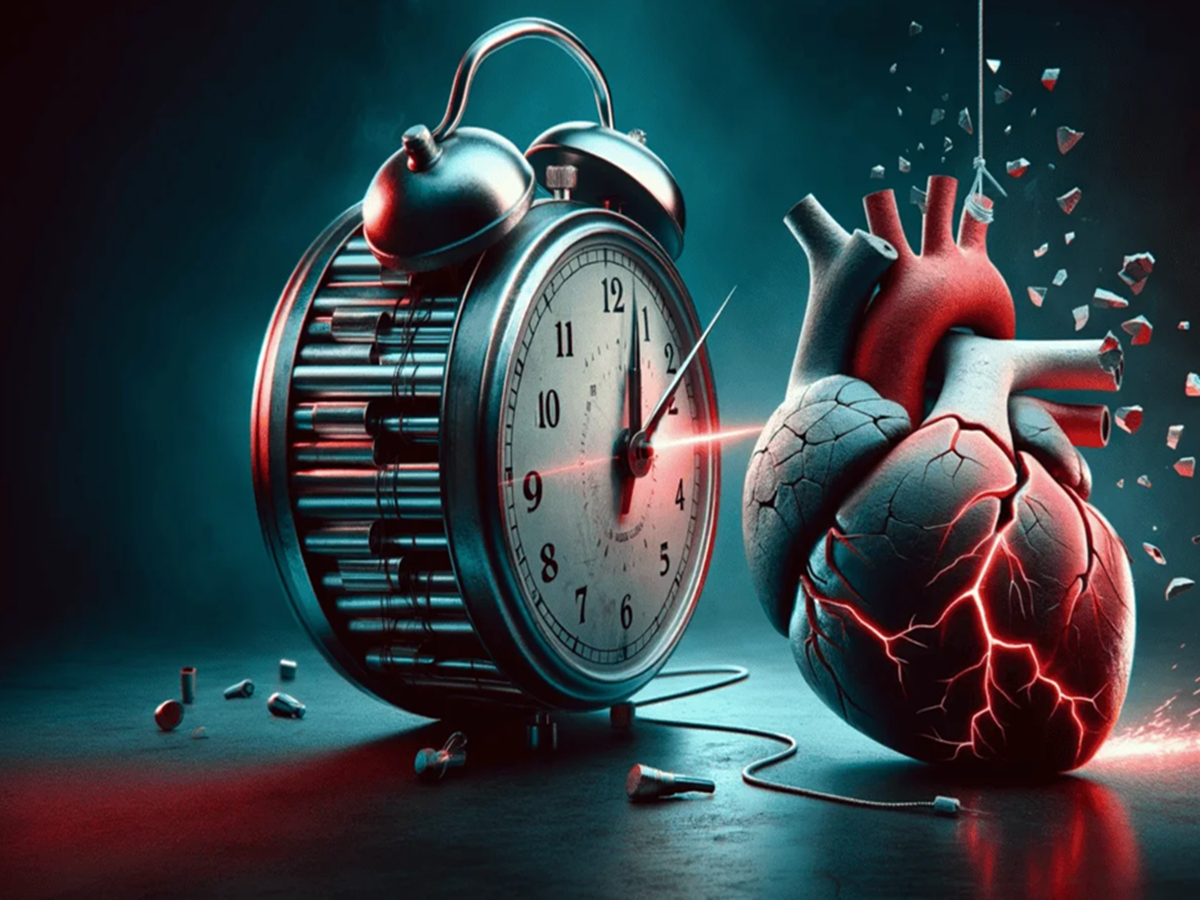
The mere mention of a heart attack strikes fear in most people. The biggest reason for this is that it often strikes suddenly, without much warning. But have you ever wondered how many heart attacks a person can endure? Can the heart function normally after the first one? And when is the point when saving a patient's life becomes difficult? Everyone should know the answers to these questions, because even younger people are suffering from heart attacks these days.
1 /6
First, it's important to understand that a heart attack occurs when the arteries that supply blood to the heart become blocked. This blockage is usually caused by the accumulation of cholesterol, fat, and other substances. When blood flow is blocked, the heart muscles are deprived of oxygen, and damage begins. If left untreated, certain parts of the heart may become permanently weakened.
2 /6
Now, let's turn to the most frequently asked question: how many times can a person suffer a heart attack? According to doctors, there's no definitive answer. It depends on the severity of the attack, the extent of damage to the heart, and the promptness of treatment. Many people live normal lives even after multiple heart attacks. However, repeated heart attacks weaken the heart muscle and increase the risk. Some health experts say that if timely treatment is received for the first and second attacks, the patient's chances of survival are good. However, repeated attacks can significantly reduce heart function.
3 /6
The real risk increases when a patient doesn't change their lifestyle after a heart attack. Smoking, high blood pressure, high cholesterol, diabetes, obesity, and lack of physical activity increase the risk of a second heart attack. People often become complacent after surviving the first, but doctors say the first heart attack often serves as a warning. If precautions are not taken, the next attack can be more serious.
4 /6
Some common symptoms of a heart attack should never be ignored. These include chest pressure or pain, pain in the left arm, neck or jaw strain, shortness of breath, cold sweats, sudden weakness, or dizziness. In many cases, symptoms may differ from normal in women, the elderly, and people with diabetes. Therefore, taking any unusual signs lightly can be costly.
5 /6
Survival becomes most difficult when a large part of the heart is affected after a heart attack or if the patient does not receive immediate treatment. If the heart stops beating suddenly, a condition known as cardiac arrest, the situation becomes even more serious. In such cases, every minute of delay can prove dangerous. Experts believe that treatment within the first few hours of a heart attack can significantly reduce heart damage and save the patient's life.
6 /6
The good news is that the risk of a heart attack can be significantly reduced. Exercise daily, eat more fruits and vegetables, avoid tobacco and alcohol, maintain weight control, and regularly check your blood pressure, sugar, and cholesterol. Remember, heart attacks don't always occur suddenly; they are often the result of years of bad habits. So, start taking care of your heart today, because a healthy heart is the key to a long and healthy life.