LIFESTYLE
Ghaziabad Polio Virus: Polio virus found in Ghaziabad sewage sample, know how dangerous this condition is?

Vaccine-Derived Poliovirus: The health department has been put on alert after the discovery of poliovirus type 1. However, no child has been confirmed to have polio infection yet.
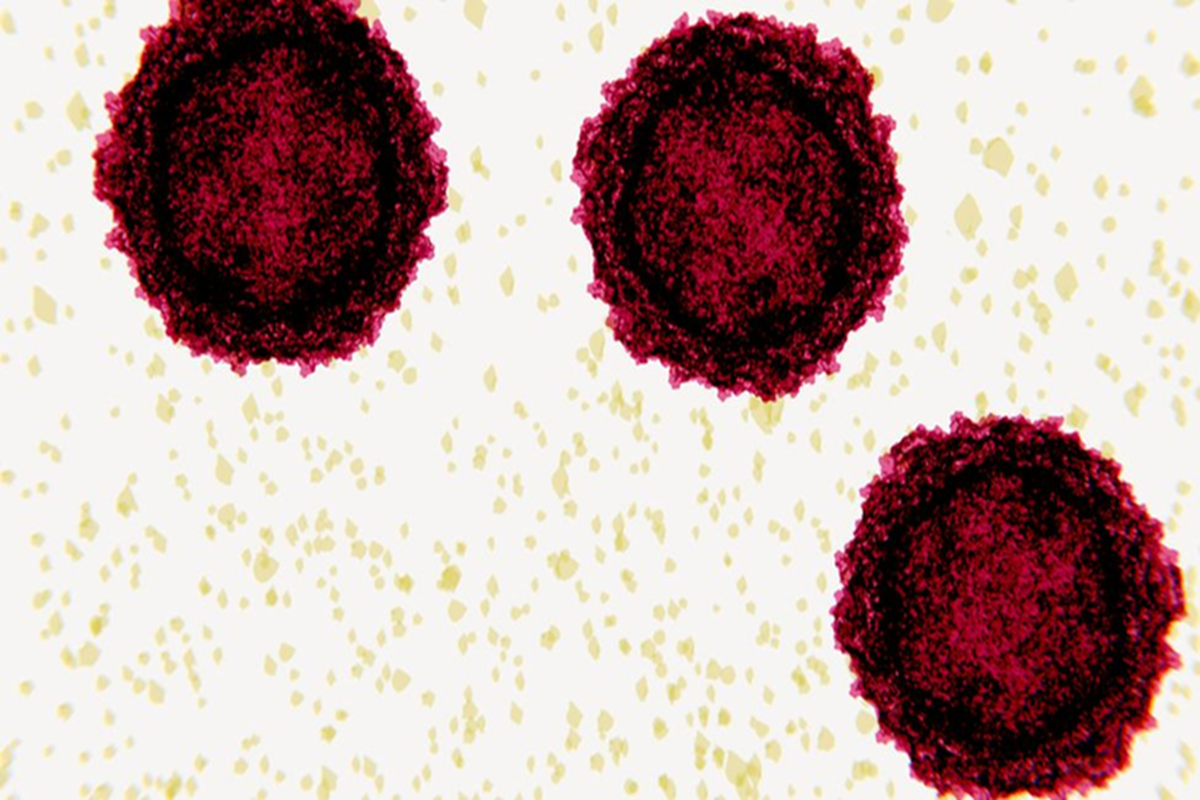
Polio Virus Detected in Ghaziabad Sewage Samples: The health department has been put on alert after the vaccine-derived poliovirus type 1 was found in a sewage sample in Ghaziabad . Although no child has yet been confirmed to have polio infection, the presence of the virus in the sewage has raised concerns among officials. Following this, special surveillance and door-to-door surveys have been ordered in the affected areas.
What is the whole matter?
According to reports, the Health Department collects water samples from sewage treatment plants in urban and rural areas every month and has them tested. Recently, a sample from the Dundahera STP was sent for testing, and the report confirmed the VDPV-1 strain. Upon receiving the report, the Health Department immediately began taking precautionary measures.
Investigation of 12 areas
Officials have decided to launch a door-to-door survey in 12 urban areas. 107 health teams have been deployed for this purpose. These teams will collect information on the health status, vaccination records, and symptoms of any potential illnesses of children up to five years of age. The survey will be conducted in areas such as Rajnagar, Shastri Nagar, Bulandshahr Road Industrial Area, Daulatpura, New Panchvati Colony, Ghukna, Hindon Vihar, Kaila Bhatta, Mirzapur, Vijay Nagar-1, Vijay Nagar-2, and Khairati Nagar. Health officials believe that a lack of regular vaccinations or the omission of some children from vaccination could be a major reason for the spread of the virus. Therefore, vaccination coverage is also being reviewed to accurately assess the situation and prevent its spread.
How dangerous is this condition?
According to Harvard Health Publishing, polio is a serious viral disease that can spread from person to person. The disease attacks the immune system and, in severe cases, can cause permanent paralysis or even death. While the detection of the virus in sewage doesn't directly confirm an outbreak, it does indicate that the virus may be present in the community at some level.
An important method of monitoring
In fact, testing sewage or wastewater is considered an important method of public health surveillance. It can detect the presence of the virus even when a person is asymptomatic. Experts say that if surveillance and vaccination are not strengthened in time, the virus could spread to vulnerable populations.