LIFESTYLE
Geyser Buying Guide 2026: Check These 7 Important Features Before Purchasing a Water Heater This Winter
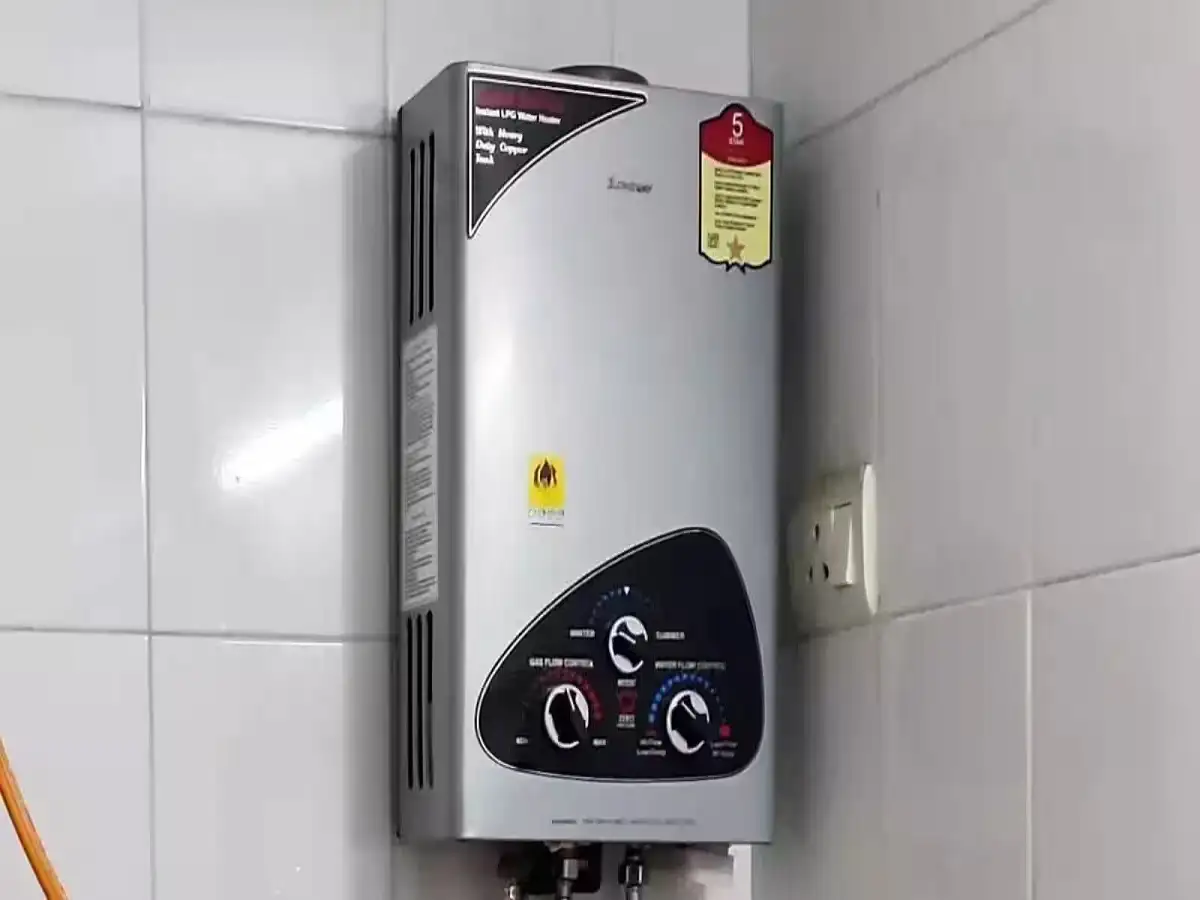
Geyser Buying Tips 2026: With temperatures beginning to fall across several parts of India in November, many households are preparing for the winter season. Hot water becomes an everyday necessity during colder months, whether for bathing, washing utensils, or completing other household activities. As a result, demand for electric geysers and water heaters generally increases during this period.
However, purchasing the right geyser involves more than selecting a popular brand or choosing a model based on its storage capacity and energy-efficiency rating. Although tank size and star ratings are important, several other technical specifications can influence the appliance's safety, durability, performance, and long-term maintenance costs.
Consumers planning to purchase a new water heater should examine the tank construction, pressure-handling capacity, heating element, safety mechanisms, and warranty conditions before making a decision.
Here are seven important factors that can help buyers choose a suitable geyser for their homes.
1. Examine the Inner Tank Material for Better Durability
The storage tank is one of the most important components of a water heater. Its construction quality can significantly influence how well the appliance performs over several years.
Water heater manufacturers use different tank materials and protective coatings to improve resistance against corrosion.
Common options include stainless steel tanks, glass-lined tanks, enamel-coated tanks, and tanks with specialised anti-corrosion protection.
These materials and coatings are designed to reduce the impact of moisture, minerals, and corrosion on the internal surfaces.
However, their effectiveness can vary depending on manufacturing quality, water conditions, and maintenance.
Before purchasing a geyser, consumers should compare the tank material, corrosion-protection technology, and warranty offered by different manufacturers.
A longer tank warranty may provide additional protection against certain manufacturing defects, although buyers should carefully review the terms and exclusions.
2. Check Whether the Geyser Can Handle Your Home's Water Pressure
Water pressure is another essential specification that buyers frequently overlook.
This factor becomes particularly important for people living in multi-storey residential buildings or homes equipped with pressure pumps.
Water heaters are designed to operate within specified pressure limits. If the incoming water pressure exceeds the manufacturer's recommended level, it may place additional stress on the storage tank, valves, and connected plumbing.
Therefore, buyers should verify the maximum rated operating pressure before selecting a model.
For homes with relatively high water pressure, choosing a compatible geyser is especially important.
Consumers should also confirm that the appliance includes an appropriate pressure-relief safety valve.
If there is uncertainty about the water pressure in a building, consulting a qualified plumber or installation professional can help prevent compatibility problems.
3. Never Ignore Essential Water Heater Safety Features
Safety should be a major consideration when buying an electric geyser because the appliance operates using both electricity and water.
Modern water heaters generally incorporate protective mechanisms designed to regulate temperature and reduce operational risks.
Some important features include:
- Thermostat: Automatically controls the heating process by switching off the heating element when the selected water temperature is reached.
- Thermal Cut-Out: Provides additional protection by interrupting the electrical supply if abnormal overheating occurs.
- Pressure-Relief Valve: Helps release excess pressure from the storage tank when required.
- Electrical Safety Protection: Proper earthing, suitable circuit protection, and compliant electrical connections help reduce the risk of electric shock and electrical faults.
Buyers should also check for applicable BIS certification and relevant safety-standard compliance.
Even a geyser equipped with advanced safety features can become hazardous if installed incorrectly. For this reason, installation should always be carried out by a qualified professional following the manufacturer's instructions.
4. Choose a Heating Element Suitable for Your Water Quality
The heating element is responsible for converting electrical energy into heat and raising the water temperature.
Its construction and quality can affect heating performance, reliability, and maintenance requirements.
In areas where the water contains high concentrations of dissolved minerals, deposits may gradually accumulate on the heating element.
This process, commonly known as scaling, can reduce heat-transfer efficiency and increase the time required to heat water.
Over time, excessive mineral buildup may also contribute to component deterioration.
When comparing different geysers, consumers should examine the heating element's material, corrosion resistance, and suitability for local water conditions.
Some models use specialised coatings or materials designed to improve durability in hard-water environments.
It is also advisable to check whether the manufacturer provides a separate warranty for the heating element.
5. Understand Electricity Consumption Beyond the Star Rating
Energy-efficiency ratings are useful when comparing water heaters, but they do not guarantee a particular monthly electricity bill.
Actual power consumption depends on several factors, including the heater's wattage, usage frequency, incoming water temperature, thermostat setting, and heat loss from the storage tank.
For example, a 2,000-watt geyser operating continuously at full power for one hour consumes approximately 2 kilowatt-hours of electricity, equivalent to two electricity units.
However, a storage water heater does not necessarily draw its full rated power throughout the entire period it remains switched on.
Once the water reaches the selected temperature, the thermostat normally disconnects the heating element. Heating resumes when the water temperature drops sufficiently.
A higher energy-efficiency rating can indicate lower standing heat losses under standard test conditions, but household usage patterns still play an important role in determining electricity expenses.
Consumers should compare applicable BEE star ratings while also considering their daily hot-water requirements.
6. Select the Right Storage Capacity for Your Household
Choosing the correct geyser capacity is important for both convenience and energy management.
An undersized water heater may not provide sufficient hot water for consecutive users, while an unnecessarily large storage model can increase purchase costs and standing heat losses.
The ideal capacity depends on the number of people using hot water, bathing habits, water temperature, and the time available between uses.
The following table provides general guidance for household requirements.
| Household Requirement | Indicative Geyser Capacity |
|---|---|
| Kitchen or washbasin use | 1–3 litres, depending on heater type |
| One person taking a bucket bath | 6–10 litres |
| Small household with moderate hot-water needs | 10–15 litres |
| Family with multiple bathroom users | 15–25 litres or more |
These figures are indicative rather than universal recommendations. Shower usage, flow rates, incoming water temperature, and simultaneous demand can substantially change the required capacity.
Consumers should assess their actual usage before making a purchase.
7. Compare Warranty Coverage and After-Sales Service
The purchase price should not be the only financial consideration when selecting a geyser.
Water heaters may require servicing, component replacement, or periodic maintenance during their operating life.
A reliable warranty and accessible service network can help reduce inconvenience if problems arise.
Before finalising a purchase, check the warranty duration for the storage tank, heating element, and other electrical components.
It is also useful to confirm whether the manufacturer has authorised service support in your city.
Buyers should examine installation charges, maintenance requirements, and the availability of replacement parts.
A slightly more expensive model with suitable specifications and dependable service support may offer better long-term value than a cheaper appliance with limited warranty protection.
Additional Tips to Reduce Geyser Electricity Bills During Winter
Using a water heater efficiently can help households manage electricity consumption without sacrificing comfort.
Avoid keeping the geyser switched on unnecessarily for extended periods. Set the thermostat to a suitable temperature rather than using excessively high settings.
Regular maintenance can also help maintain heating performance, particularly in regions affected by hard water.
Insulated hot-water pipes and well-maintained storage tanks may further reduce heat loss.
Users should also avoid attempting electrical repairs themselves. Any signs of leakage, unusual noises, repeated tripping, or overheating should be examined by a qualified technician.
Final Advice: Focus on Safety, Quality and Long-Term Performance
Buying a geyser requires careful consideration of several factors beyond its advertised capacity and star rating.
The quality of the inner tank, compatibility with household water pressure, protective safety systems, heating element construction, and manufacturer warranty can all influence the overall ownership experience.
Consumers should compare multiple models, review technical specifications, and select a water heater that suits their household requirements and local water conditions.
A well-chosen geyser can provide reliable hot water throughout winter while helping households avoid unnecessary maintenance costs and safety risks.