Business
Government Helpline Numbers 2026: Save These 5 Important Numbers for Senior Citizens, SC/ST Support and More
Government Helpline Numbers 2026: Access to timely assistance can make a significant difference for people facing difficult circumstances. Whether an elderly person needs support, someone is experiencing discrimination or abuse, or an individual is struggling with substance dependence, knowing the correct government helpline number can help them find appropriate guidance.
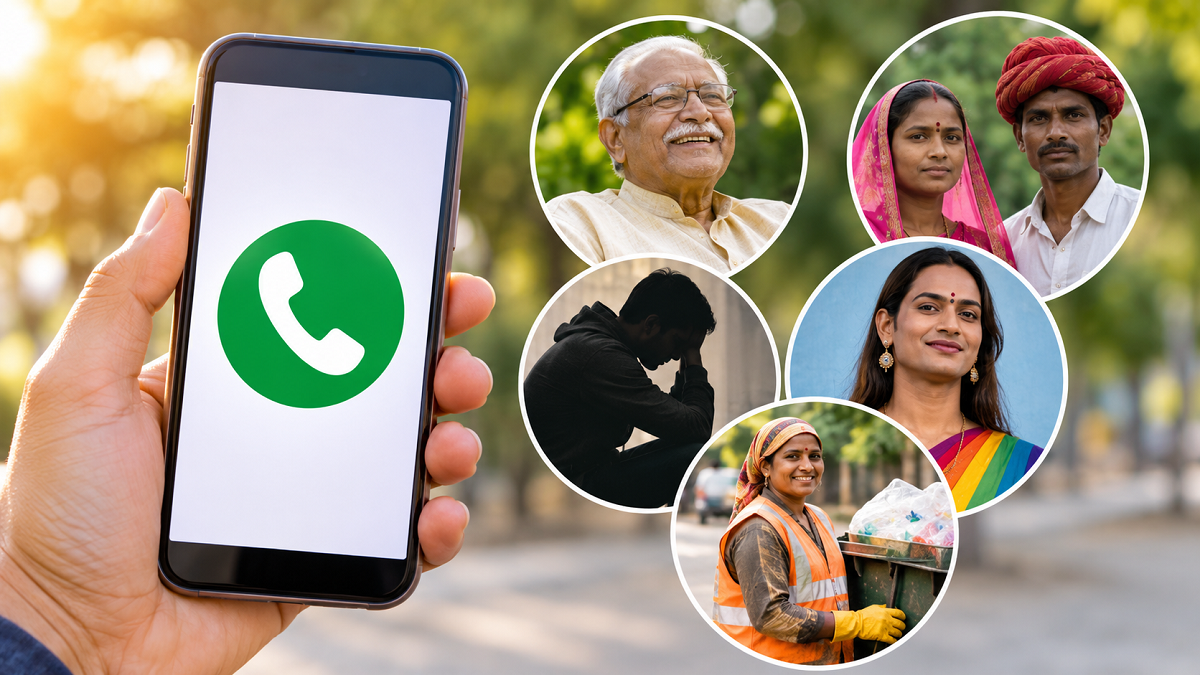
The Ministry of Social Justice and Empowerment has highlighted five important national helpline services designed to assist different sections of society. These services focus on senior citizens, Scheduled Caste and Scheduled Tribe communities, people affected by drug addiction, transgender individuals, and waste pickers.
Many people remain unaware of the assistance programmes and support mechanisms available to them. As a result, they may struggle to find the right organisation when facing personal, social, or legal difficulties.
Keeping these helpline numbers accessible can make it easier to seek information, report concerns, and connect with relevant support services.
Here is a detailed explanation of the five government helpline numbers and the people they are intended to assist.
1. Senior Citizen Helpline 14567: Elderline Offers Guidance and Assistance
Older adults sometimes face challenges related to loneliness, financial insecurity, family disputes, neglect, and access to essential services.
For senior citizens who require assistance or information, the government-supported Elderline service can be contacted at 14567.
The helpline is intended to provide guidance and connect older people with appropriate support mechanisms.
Senior citizens living alone, those experiencing difficulties accessing services, or individuals concerned about their well-being may use this number to seek assistance.
Family members and caregivers can also enquire about available support for elderly relatives.
The objective of Elderline is to make relevant information and assistance more accessible to older adults, particularly those who may not know where to turn for help.
However, the type of assistance available may depend on the nature of the concern and the services operating in the caller's area.
2. SC/ST Atrocity Helpline 14566: Support for Victims of Discrimination and Abuse
Individuals belonging to Scheduled Caste and Scheduled Tribe communities may face discrimination, harassment, violence, or other forms of abuse.
To help affected individuals access relevant information and assistance, the National Helpline Against Atrocities is available at 14566.
The service is intended to support people seeking guidance concerning offences and protections associated with the Scheduled Castes and Scheduled Tribes (Prevention of Atrocities) Act.
People facing such incidents may contact the helpline to understand available reporting procedures and support mechanisms.
The service can also help callers obtain information about relevant legal protections and assistance channels.
Victims should preserve relevant evidence wherever it is safe to do so and approach the appropriate authorities when reporting an incident.
In situations involving immediate danger, individuals should contact emergency services rather than relying solely on an informational helpline.
3. Drug De-Addiction Helpline 14446: Guidance for People Facing Substance Dependence
Substance dependence can affect a person's physical health, emotional well-being, relationships, employment, and financial stability.
People experiencing problems associated with drug use may find it difficult to seek help because of stigma, uncertainty, or a lack of information about treatment options.
The National Drug De-Addiction Helpline, accessible at 14446, is intended to provide guidance and information related to substance-use concerns.
Individuals seeking help for themselves or someone close to them can use this number to enquire about available support.
Family members concerned about a relative's substance use may also seek information about appropriate assistance.
Professional assessment and treatment can play an important role in managing substance-use disorders.
Depending on individual circumstances, treatment may involve medical supervision, psychological counselling, rehabilitation services, and continuing support.
It is important to remember that substance dependence is a health condition requiring appropriate care, rather than simply a matter of personal willpower.
People experiencing severe withdrawal symptoms, suspected overdose, or another medical emergency should seek immediate medical assistance.
4. Transgender Support Helpline 14427: Access to Information and Assistance
Transgender individuals may encounter difficulties involving discrimination, social exclusion, documentation, education, employment, healthcare, and access to welfare programmes.
The national helpline number 14427 has been highlighted as a support resource for members of the transgender community.
The service is intended to help individuals obtain information and connect with available assistance mechanisms.
People seeking guidance regarding relevant government programmes or support services may contact the helpline.
Access to accurate information can be particularly important for individuals who are unfamiliar with available welfare measures or administrative procedures.
The broader objective of such support initiatives is to improve accessibility and help people navigate services intended for their welfare and inclusion.
Callers should confirm the specific assistance available through the helpline, as services and referral arrangements may vary.
5. Waste Picker Helpline 14473: Support for Workers in Waste Collection
Waste pickers contribute to waste management and recycling by collecting, sorting, and recovering reusable materials.
Despite their important role, many workers in this sector face challenges involving occupational safety, financial insecurity, access to welfare schemes, and limited awareness of available government assistance.
The national helpline number 14473 has been shared as a support resource for waste pickers.
Workers may use the service to seek information and guidance about relevant assistance programmes.
Improving access to support services can help vulnerable workers understand the resources available to them.
Individuals working in informal waste collection may also benefit from information about registration processes, welfare initiatives, and other assistance mechanisms, where applicable.
The exact services available should be confirmed through the helpline or the relevant government department.
Government Helpline Numbers 2026: Complete List
The following table summarises the five helpline services mentioned in the Ministry of Social Justice and Empowerment-related information.
| Helpline Service | Number | Intended Beneficiaries |
|---|---|---|
| Elderline | 14567 | Senior citizens seeking assistance |
| National Helpline Against Atrocities | 14566 | SC/ST communities facing atrocities |
| National Drug De-Addiction Helpline | 14446 | People seeking substance-use support |
| Transgender Support Helpline | 14427 | Transgender individuals requiring guidance |
| Waste Picker Helpline | 14473 | Waste pickers seeking information and assistance |
These numbers are reproduced from the supplied report. Callers should confirm current service availability through official government channels.
Why Knowing Government Helpline Numbers Is Important
Government assistance programmes can only benefit people when information about them reaches the intended communities.
In many situations, individuals may be unaware of their rights, available welfare schemes, or the organisations responsible for providing assistance.
Helpline services can help bridge this information gap by offering a more direct route to guidance and referrals.
They may also be particularly useful for people who have difficulty accessing government offices or finding reliable information online.
However, callers should understand that contacting a helpline does not automatically guarantee financial assistance, legal relief, medical treatment, or another specific outcome.
The support provided depends on the service's mandate, eligibility conditions, and the circumstances involved.
What Should You Do Before Calling a Government Helpline?
Before contacting a helpline, it can be helpful to identify the nature of the problem and prepare a brief explanation.
If the concern involves an earlier complaint, keeping relevant reference numbers or documents available may help the support representative understand the situation.
Callers should provide accurate information but remain cautious about sharing sensitive personal or financial details.
Never disclose banking passwords, UPI PINs, or one-time passwords to someone claiming to represent a government helpline.
For emergencies requiring immediate police, fire, or ambulance assistance, India's integrated emergency response number is 112.
Save and Share These Important Numbers
The five helplines highlighted by the Ministry of Social Justice and Empowerment are intended to improve access to information and assistance for people facing different social and personal challenges.
Saving the relevant numbers in your mobile phone can help you locate them quickly when needed.
Sharing accurate helpline information with family members, neighbours, and community groups may also help others identify suitable support services.
Awareness is an important first step towards accessing assistance. Knowing which number to call can help people reach the appropriate service when they need guidance or support.
Official Website: Ministry of Social Justice and Empowerment