LIFESTYLE
Gas Cylinder: This gas cylinder will last for months! Just do this one simple thing while cooking.
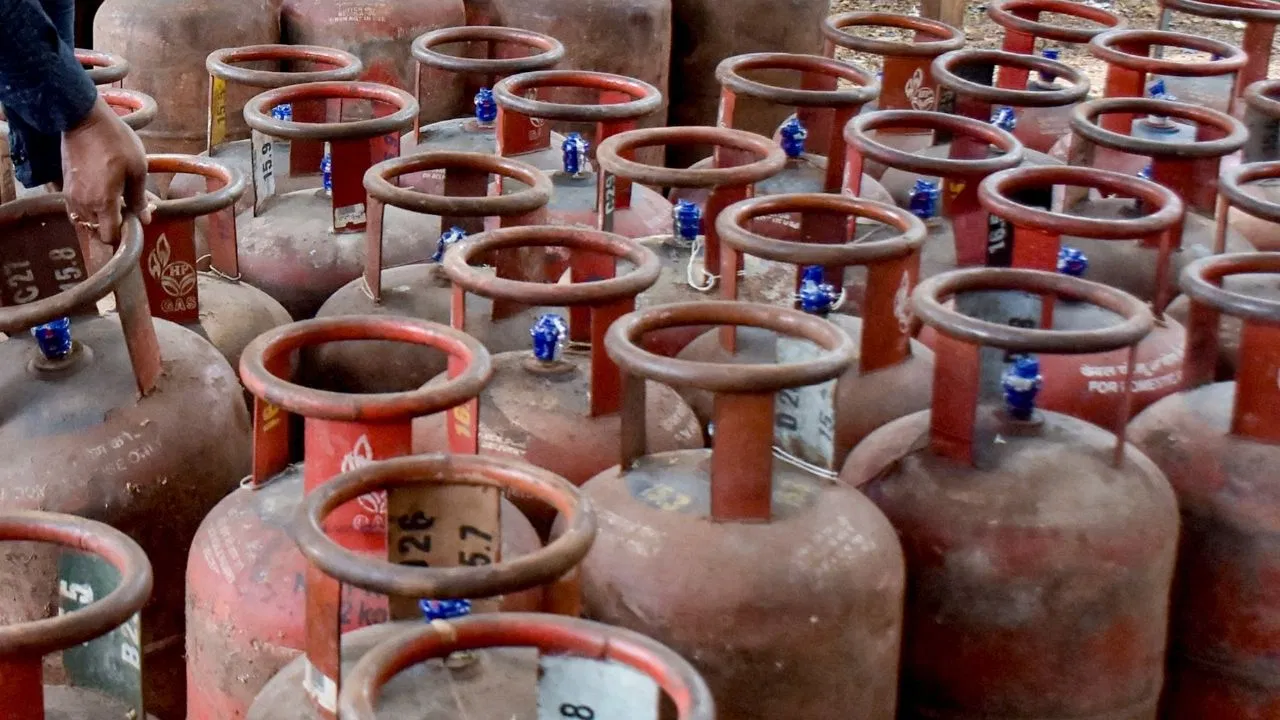
Gas Saving Tricks: You can reduce your cooking time or make significant changes to your daily habits. Keeping a few small things in mind while cooking can help save gas.
How to prevent the gas cylinder from running out quickly
How to Save LPG Gas Cylinder at Home: A gas cylinder is one of the most essential household items, used daily for everything from cooking to heating water. However, when the cylinder runs out earlier than expected, it can be a huge hassle. Especially if you cook food daily, replacing the cylinder frequently can be costly.
Reducing gas consumption doesn't require cutting down on cooking or making major changes to your daily habits. Keeping a few small things in mind while cooking can help save gas. This can help extend the life of a cylinder and reduce unnecessary gas wastage.
Keep the vessel covered while cooking
The habit of covering cooking utensils can help save gas. Covering the pot reduces heat escaping and speeds up cooking. Whether boiling water, cooking rice, or sautéing vegetables, cover the pot whenever possible. This will speed up cooking and reduce gas consumption.
Adjust the flame according to the vessel.
Burning too high a flame under a small pot wastes gas. Try to keep the flame below the base of the pot and not overhanging the edges. Using a burner and flame appropriate for the pot's size ensures heat reaches the pot directly and gas is not wasted.
Keep the burner clean
A dirty or clogged burner can increase gas consumption. If oil, spices, or food particles accumulate in the burner vents, the flame may not be flowing properly. Clean the burner periodically and check the vents. A blue, steady flame generally indicates proper combustion. If the flame color or pattern consistently appears abnormal, it's best to have the burner inspected.
Don't use high heat for everything.
Many people believe that high heat will cook faster and save gas, but this isn't necessary for every dish. When cooking vegetables, lentils, or gravies, use medium or low heat as needed. Use high heat only when absolutely necessary.
Prepare for several things at once
If you have to heat or prepare food several times a day, a little planning can help reduce gas consumption. If possible, prepare large quantities of food at once and use them later as needed. Repeatedly lighting the gas stove and reheating food can lead to increased gas consumption.
Turn off the gas a little before the food is completely cooked.
For some dishes, the heat remaining in the pot may continue to cook for a while after the gas is turned off. For rice or other slow-cooked dishes, you can turn off the gas when the food is almost ready and let it sit covered for a while. However, this method may not be suitable for every dish or cooking situation, so avoid leaving food uncooked.
Don't ignore gas leaks.
If your cylinder is running out faster than usual, don't blame your cooking habits alone. Leaks in the gas pipe, regulator, or connections could also be the culprit. If you notice cracks, tears, or loose connections in the pipe, have it inspected by an authorized gas service or a trained technician instead of attempting repairs yourself. If you smell gas, stay away from fire, matches, and electrical switches, and safely turn off the gas supply.
Use the right utensils.
Heat reaches the pot more efficiently if it has a flat base and sits properly on the burner. A sloping or overly thin pot can take longer to cook. Therefore, use a pot with the right size and a good base for cooking.
Avoid reheating food repeatedly.
Instead of reheating the entire pot repeatedly, heat only the amount of food you need. This eliminates the need to place the entire dish on the stove each time. Storing food properly and reheating it as needed can help reduce gas consumption in the long run.
Monitor cylinder consumption
It's also important to keep track of how quickly your home's gas is depleting. If gas consumption suddenly increases, check the burner, pipes, regulator, and cooking habits. If there's a persistent abnormal consumption, it's best to have the gas agency investigate.