
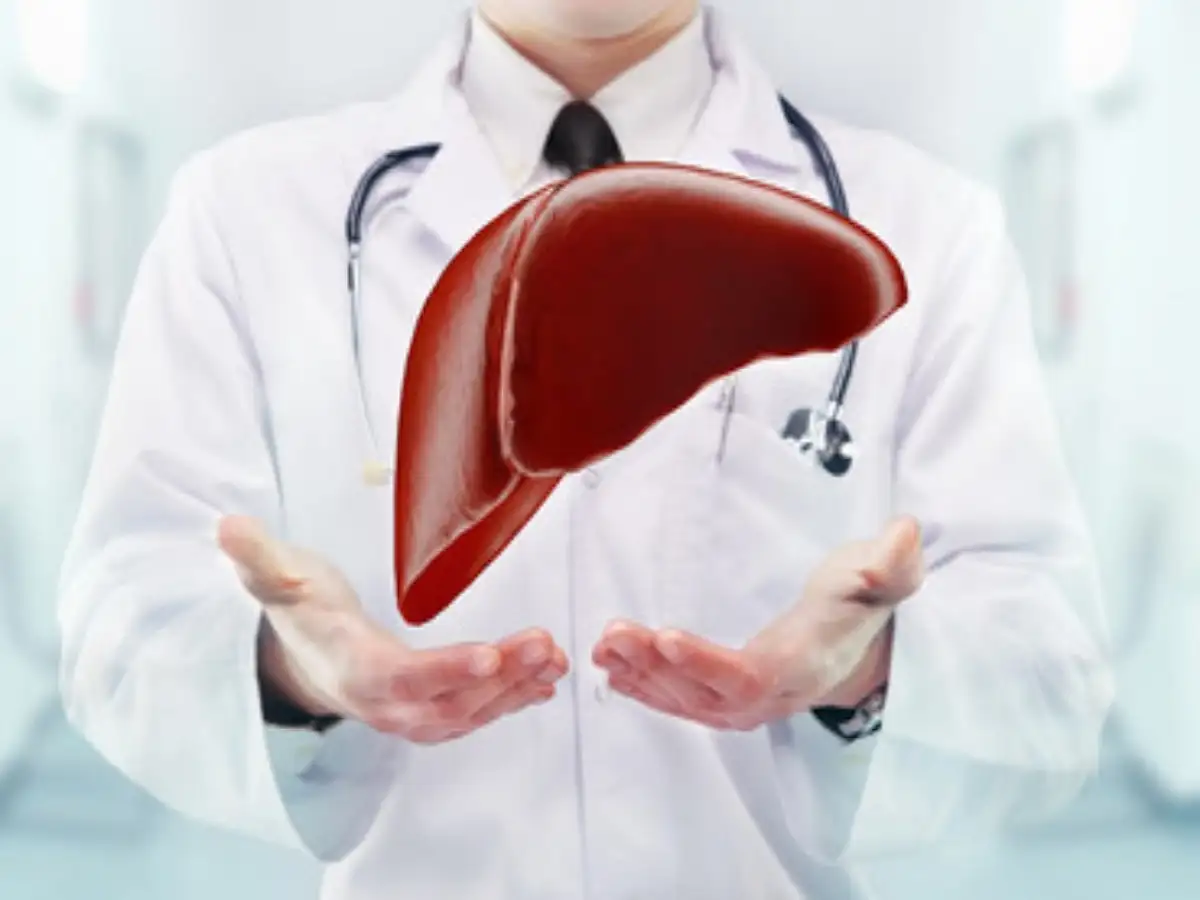
The liver performs several essential functions, including processing nutrients, helping remove harmful substances from the blood, supporting digestion and managing the way the body stores and uses energy. However, everyday lifestyle choices can influence liver health over time.
Fatty liver disease is often associated with excessive alcohol consumption, but alcohol is not the only factor involved. Fat accumulation in the liver can also occur in people who drink little or no alcohol. Excess body weight, type 2 diabetes, metabolic problems, poor dietary patterns and lack of physical activity are among the factors that can increase the risk.
Because fatty liver may not cause noticeable symptoms in its early stages, paying attention to lifestyle and metabolic health is particularly important. Here are five common habits that may negatively affect liver health.
1. Following an Unhealthy and Irregular Diet
Frequently eating highly processed foods and maintaining an unbalanced diet can affect overall metabolic health. Foods containing large amounts of added sugar, refined carbohydrates and unhealthy fats can also contribute to excess calorie intake and weight gain.
Instead of relying heavily on packaged snacks, sugary foods and fried meals, a balanced diet containing vegetables, fruits, whole grains, pulses and appropriate sources of protein can support overall health.
Meal timing alone is not the only issue—the quality and quantity of food consumed throughout the day also matter.
2. Spending Most of the Day Sitting
A sedentary lifestyle is another factor associated with weight gain and metabolic problems.
People with desk-based jobs may spend several hours sitting with very little movement. When this becomes a regular pattern and is combined with insufficient exercise, maintaining a healthy body weight can become more difficult.
Regular physical activity can help with weight management and metabolic health. Those who work at a desk can also consider getting up periodically, walking for a few minutes and avoiding unnecessarily long periods of uninterrupted sitting.
3. Taking Medicines Without Medical Guidance
Self-medication is common, particularly for minor problems such as headaches, body aches, fever or digestive discomfort. However, medicines should not automatically be considered harmless simply because they are commonly available.
Some medications can affect the liver, particularly when they are taken incorrectly, in excessive doses or combined with other medicines or substances without appropriate guidance.
People who regularly require medication should follow the recommended dosage and seek advice from a qualified healthcare professional when necessary. Never stop or alter a prescribed medicine solely because of concerns about the liver without first consulting the prescribing clinician.
4. Consuming Too Much Sugar and Highly Processed Food
A diet regularly containing large quantities of sugary drinks, sweets, refined carbohydrates, fried foods and ultra-processed products can contribute to excessive calorie intake and metabolic problems.
Over time, weight gain and conditions such as insulin resistance, type 2 diabetes and abnormal blood lipid levels can be associated with a higher risk of fatty liver disease.
Reducing added sugars and choosing more nutrient-dense foods can therefore be an important part of a liver-friendly lifestyle.
5. Excessive Alcohol Consumption and Smoking
Alcohol can directly damage the liver, particularly when consumed excessively or over a prolonged period. Heavy alcohol use can contribute to fatty liver and, in some people, more serious forms of liver disease.
Smoking is also harmful to overall health. Quitting tobacco provides wide-ranging health benefits and reduces exposure to substances that can damage multiple organs.
What Can Increase the Risk of Fatty Liver?
There is no single cause that applies to everyone. Several health and lifestyle factors can contribute to the development of fatty liver disease.
These may include being overweight or obese, type 2 diabetes, high triglyceride levels, abnormal cholesterol levels, poor dietary habits, low physical activity and excessive alcohol consumption.
The presence of one risk factor does not necessarily mean that a person has fatty liver disease. Diagnosis requires appropriate medical assessment.
How Can You Support Better Liver Health?
Small but consistent lifestyle changes can help support liver and metabolic health. Maintaining a healthy weight, staying physically active and eating a balanced diet are sensible starting points.
Try to limit foods and drinks high in added sugar and avoid excessive consumption of fried and highly processed foods. If you have diabetes, high cholesterol or elevated triglycerides, follow your healthcare professional's recommendations for managing these conditions.
Avoid unnecessary self-medication and use medicines according to medical or label instructions. Alcohol intake should also be discussed with a healthcare professional if you have existing liver disease or other health concerns.
Regular health check-ups may be useful for people who have metabolic risk factors or have been advised to undergo liver-related testing.
Fatty Liver May Develop Without Obvious Warning Signs
One reason fatty liver disease can be overlooked is that it may cause few or no obvious symptoms, especially in its earlier stages. This means a person may feel generally well even when excess fat has accumulated in the liver.
Persistent or unexplained symptoms such as unusual fatigue, abdominal discomfort or ongoing digestive complaints should not be used to self-diagnose fatty liver, as they can have many different causes.
Anyone experiencing persistent symptoms or concerned about their liver health should consult a qualified medical professional. Appropriate evaluation and tests can help determine whether a liver problem is present and what treatment or lifestyle changes may be needed.
Disclaimer: This article is intended for general informational purposes only and should not be considered a substitute for professional medical advice, diagnosis or treatment.