LIFESTYLE
Gardening Tips: Transform Your Garden with Baking Soda – A Natural Protector for Plants and Flowers
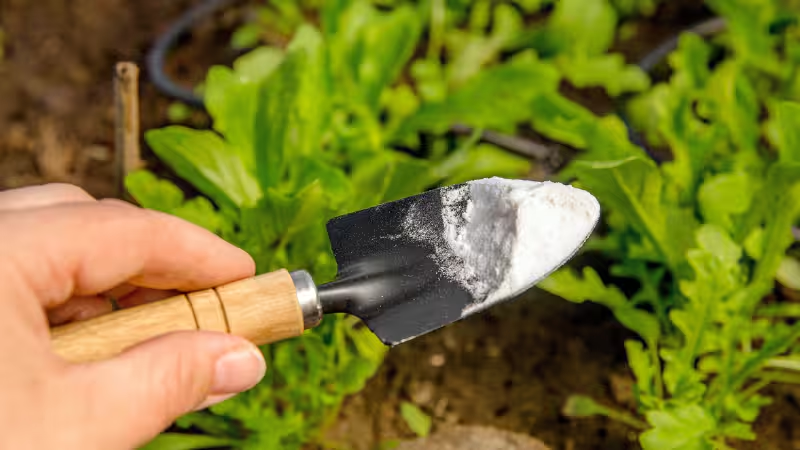
When it comes to home gardening, we often look for safe, affordable, and effective solutions to keep our plants healthy and disease-free. Surprisingly, one of the most powerful natural remedies for your garden can be found right in your kitchen — baking soda. Known for its versatility, baking soda is not just useful for cleaning and cooking; it can also work like magic in your garden. From preventing fungal infections to enhancing the beauty of flowers, this eco-friendly ingredient is a gardener’s best friend.
Why Baking Soda Works in Gardening
Baking soda has antifungal and antibacterial properties that help protect plants from common diseases. When sprayed in the right concentration, it prevents the spread of powdery mildew, fungal spots, and rot without harming the plants. It is a budget-friendly, chemical-free option that ensures both the safety of your plants and the environment.
Let’s look at the different plants where baking soda shows its magic and how it benefits your garden.
1. Roses – Keep Powdery Mildew Away
Roses are prone to fungal problems, especially powdery mildew, which dulls the shine of their leaves and flowers. A mild baking soda spray reduces fungal infections and keeps rose blooms healthy, bright, and vibrant.
2. Peas – Prevent Mildew on Shrubs
Pea plants are highly susceptible to mildew. Spraying them with a diluted baking soda solution helps maintain healthy green shrubs and ensures good yields.
3. Cucumbers – Protect Against White Spots
Cucumber vines often suffer from white fungal spots that spread quickly. Spraying baking soda water on the leaves helps control this issue, keeping both the fruits and leaves fresh and disease-free.
4. Ridge Gourd – Defend Against Fungal Spots
Ridge gourd plants can easily get fungal spots on their leaves, which affect the entire crop. Regular use of a baking soda spray keeps the leaves clean and the harvest fresh.
5. Grapevines – Save Fruits from Rot
Grapevines are highly vulnerable to mildew and rot. Spraying baking soda regularly on the vines and fruits prevents fungal spread, improving both the quality and quantity of grapes.
6. Tomatoes – Keep Leaves Green and Healthy
Tomato plants often face powdery mildew, which weakens them and affects fruit growth. Sprinkling baking soda solution keeps the leaves green and ensures tomatoes ripen well without damage.
7. Strawberries – Prevent Fungus and Grey Mold
Strawberries are delicate and easily attacked by fungus and grey mold. A baking soda spray helps protect flowers and fruits, making them healthier and tastier.
8. Beans – Protect Against Dense Fungal Growth
Because bean plants grow closely together, they are prone to fungal infections. A mild baking soda spray prevents mold formation and boosts crop yield.
9. Hydrangeas – Enhance Flower Colors
Apart from protection, baking soda can also influence soil pH levels. A slight increase in pH through baking soda can turn hydrangea blooms pink, giving your garden a beautiful aesthetic touch.
How to Use Baking Soda Safely in the Garden
- Mix 1 tablespoon of baking soda in 1 liter of water.
- Add a few drops of mild liquid soap to help the solution stick to leaves.
- Spray directly on affected plants once a week.
- Avoid excessive use, as too much baking soda can affect soil balance.
Final Thoughts
Baking soda is truly a multi-purpose magic powder — from your kitchen shelves to your garden beds. Whether it’s protecting roses from mildew, keeping cucumbers spot-free, or improving the colors of hydrangeas, this natural remedy proves to be a cost-effective and eco-friendly choice.
By using baking soda wisely, you can ensure your plants remain disease-free, colorful, and thriving, making your garden the star attraction of your home.