LIFESTYLE
Food Storage Tips: How long after cooking should you keep food in the fridge? Note the correct time.
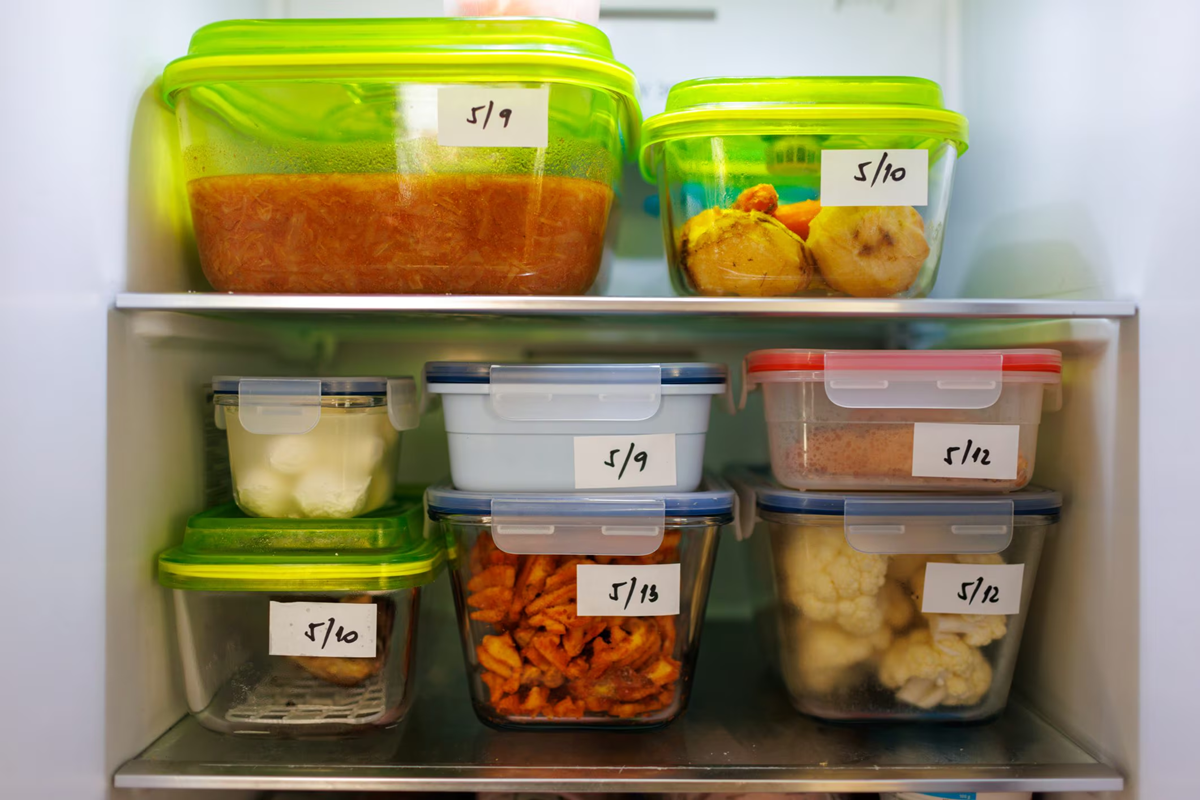
Safe Food Storage: Containers should be no more than four inches high. Spreading out food allows for faster heat dissipation rather than crowding it tightly.
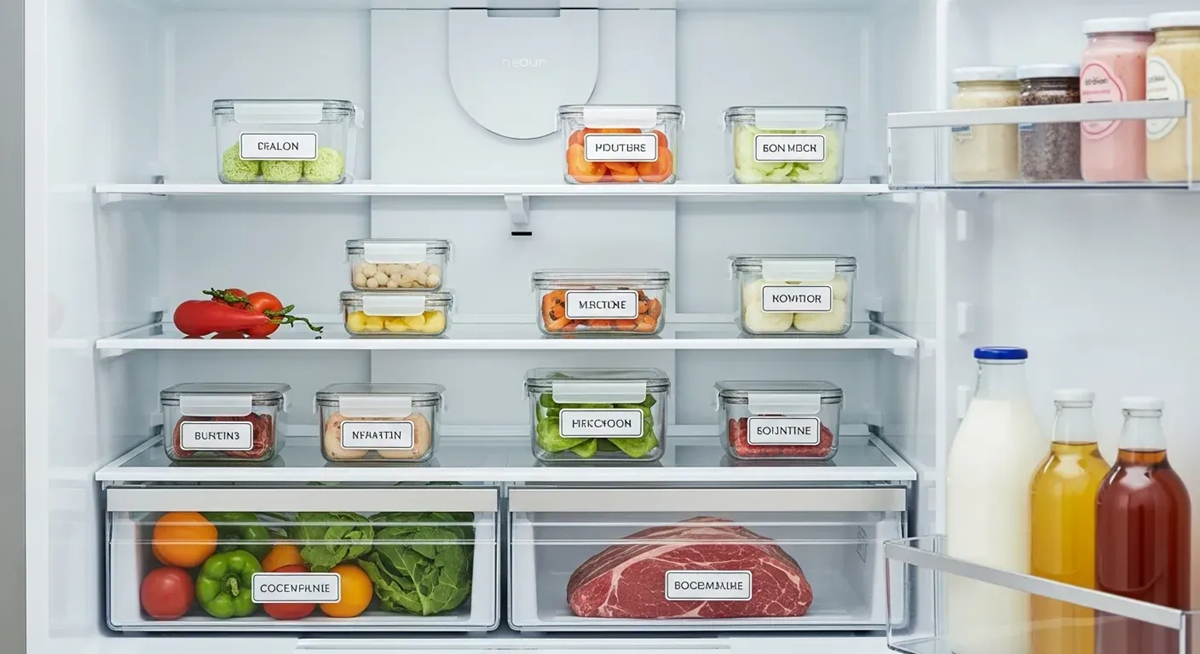
Putting hot food in the fridge
Food Danger Zone Temperature: Cooking, eating, and then storing leftovers in the refrigerator is a common daily routine. But do you cover and store hot food directly in the refrigerator? If yes, then you need to change this habit a bit. Especially when the food is still very hot, steam is coming out of it, or the vessel is difficult to touch, then storing it in the refrigerator immediately is not considered the right way. However, this also does not mean that the food should be left out for hours. The right way is to cool the food safely in a short time and then store it in the refrigerator.
What happens if hot food is immediately put in the fridge?
The most important thing when it comes to food storage is to avoid exposing food to temperatures where bacteria can grow rapidly. This is known as the danger zone, which ranges from approximately 40 to 140 degrees Fahrenheit (4 to 60 degrees Celsius). Hot food cools down as it passes through this temperature range. Problems arise when food remains in this range for extended periods. This can increase the likelihood of bacterial growth, potentially leading to foodborne illness.
Keeping food in deep utensils can increase the problem.
This is why it's not a good idea to store food in a deep, large container immediately after cooking. If the food is very hot and the container is deep, the inside can remain hot for a long time. This means the food won't cool completely quickly and can remain in the danger zone for a longer period. Furthermore, placing a very hot container directly into the refrigerator can raise the temperature of other food stored nearby. This forces the refrigerator to work harder to cool down again, increasing its energy consumption.
What is the correct way to cool hot food?
It's best to remove the food from the container it was cooked in first. Then, place it in a shallow container, no more than four inches high. Spreading the food out in a small space rather than crowding it tightly allows heat to dissipate and it cools faster. Food can be allowed to cool at room temperature for about 30 to 60 minutes. Once the food is no longer too hot and has reached room temperature, it can be placed in the refrigerator. The refrigerator should be kept at or below 40 degrees Fahrenheit (about 4 degrees Celsius). After this, the food will continue to cool further in the refrigerator.
What to do if there is excess food left?
If you have a large amount of food leftover, avoid packing it all into a single large, deep container. Dividing the food into smaller, shallower containers is a better approach. This allows for faster heat dissipation and even cooling. If you have a large amount of food, it's also helpful to divide the container into separate portions rather than overfilling it. This helps each portion cool more quickly.
How to Cool Soup and Stew Quickly
There are other methods to cool foods like soup or stew quickly. These include using ice cubes, stirring the food constantly, or placing it in a place where heat can easily escape. The purpose of these methods is to prevent the food from remaining in the danger zone for too long.
How long can food be left out?
It's also not advisable to leave food out for too long just to cool it. Food should not be kept at room temperature for more than two hours. Therefore, it's not advisable to cook food, leave it out for several hours, and then refrigerate it overnight. It's safer to refrigerate food for a limited time.