As governments continue to digitize public services and improve the delivery of welfare programs, the importance of centralized identification systems is growing rapidly. One such initiative gaining significance is the Family ID, also known in some states as the Family Identity Card or Parivar Pehchan Patra (PPP). Designed to create a verified digital profile of an entire household, this unique identification system is becoming increasingly important for accessing various government schemes and public services.
With more welfare programs being linked to digital databases, possessing a Family ID can simplify documentation, speed up verification processes, and help eligible families receive benefits more efficiently. Here's a detailed look at why the Family ID is becoming a crucial document for households across the country.
Direct Access to Government Welfare Schemes
One of the biggest advantages of having a Family ID is its role in connecting eligible households with government welfare programs.
The Family ID serves as a centralized record containing key information about family members, income status, and other relevant details. This enables government departments to identify eligible beneficiaries more accurately and deliver benefits directly to them.
Several public welfare initiatives may be linked to Family ID records, including:
- Food and ration assistance programs
- Pension schemes
- Healthcare benefits
- Subsidy-based welfare initiatives
- Social security programs
By integrating family information into a single database, authorities can streamline the process of providing assistance to deserving citizens.
Reduces the Need for Repeated Document Submission
Traditionally, citizens often have to submit multiple documents every time they apply for a government service or welfare scheme. This process can be time-consuming and inconvenient.
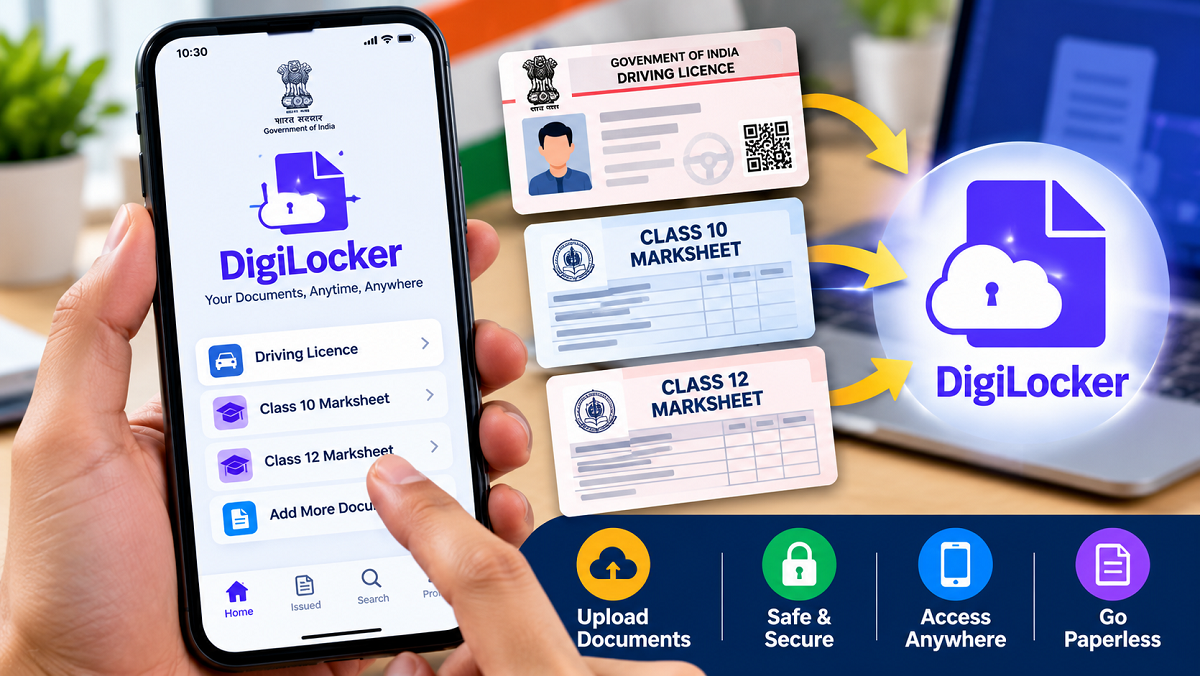
With a Family ID system in place, much of the required information is already stored in a centralized government database. As a result, applicants may not need to repeatedly provide the same documents during different application processes.
This digital approach helps:
- Simplify administrative procedures
- Speed up verification
- Reduce paperwork
- Improve convenience for citizens
- Minimize errors in records
The result is a more efficient and citizen-friendly service delivery system.
Important for Education and Scholarship Applications
Family ID is increasingly becoming a valuable document in the education sector as well.
Many educational institutions and government departments use Family ID data to verify eligibility for various student welfare programs. During school or college admissions, applicants may be asked to provide Family ID details as part of the verification process.
The document can also play a role when applying for:
- Government scholarships
- Educational assistance programs
- Fee reimbursement schemes
- Student welfare initiatives
By providing a verified family profile, the system helps authorities process applications more accurately and efficiently.
Enhances Transparency and Prevents Fraud
A major objective of the Family ID initiative is to improve transparency in the distribution of government benefits.
Maintaining a single verified record for each family helps reduce the possibility of duplicate registrations and fraudulent claims. It allows authorities to identify situations where individuals may attempt to obtain benefits multiple times using different identities or incorrect information.
The system contributes to:
- Better beneficiary identification
- Reduced misuse of welfare programs
- Improved accountability
- More effective allocation of government resources
This helps ensure that benefits reach the people who genuinely qualify for them.
Supporting Digital Governance and Better Public Services
The Family ID initiative is part of a broader effort to strengthen digital governance and modernize public administration.
Governments are increasingly adopting technology-driven systems to improve efficiency, eliminate unnecessary paperwork, and provide faster access to services. By creating a unified family database, authorities can coordinate information across departments and improve policy implementation.
As more public services become integrated with Family ID records, the document is expected to play an even greater role in accessing government facilities and benefits in the future.
Why Families Should Consider Obtaining a Family ID
With welfare schemes, educational programs, healthcare benefits, and other public services gradually being linked to digital identity systems, having a Family ID can help households stay prepared for future requirements.
Benefits include:
- Faster access to government services
- Simplified verification processes
- Reduced paperwork
- Better eligibility assessment
- Improved transparency in benefit distribution
Final Thoughts
The Family ID system represents a significant step toward building a more efficient and transparent governance framework. By creating a centralized digital profile for households, it helps simplify access to welfare schemes, educational benefits, healthcare services, and other government programs.
As governments continue expanding digital service delivery, obtaining and maintaining a Family ID may become increasingly important for families seeking seamless access to public benefits and support programs.