NEWS
Delhi is number 1 in the country in terms of income and does not have to ask for help from the Centre.

Delhi ranks number one in the country in terms of revenue. In FY25, it generated 91.6% of its total revenue from its own sources. Learn how Delhi is less dependent on central funds.
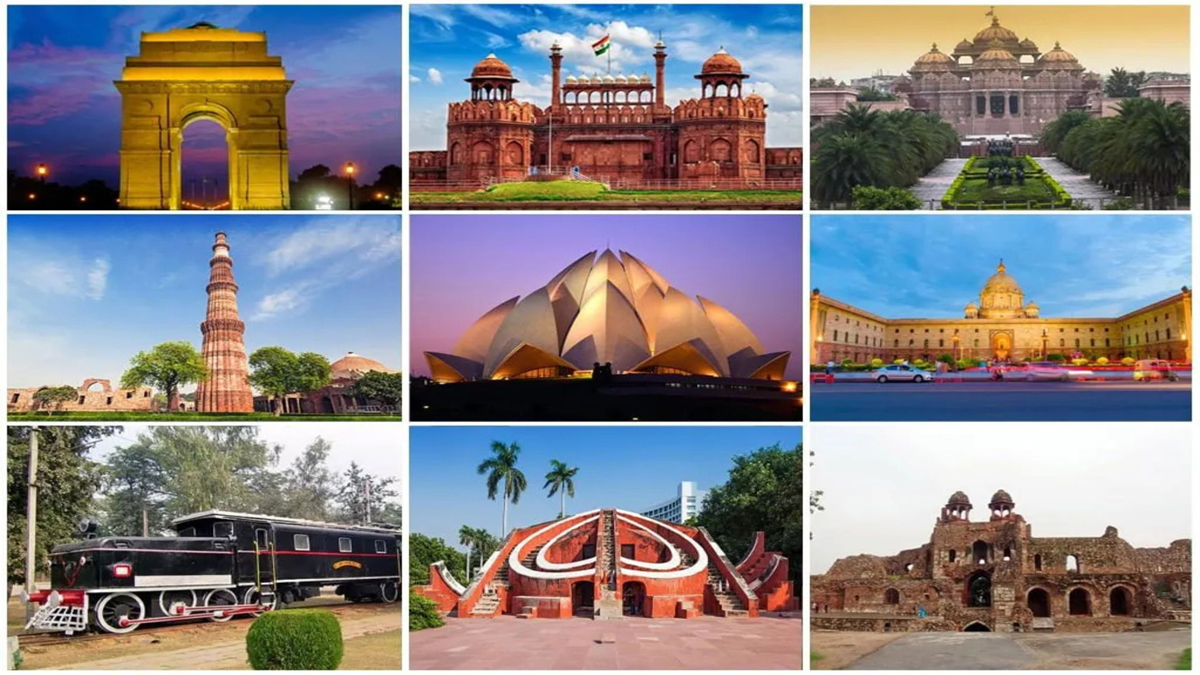
Delhi Own Revenue: A complete account of Delhi's economy
Delhi is not only a hub of politics and business, but also a strong state financially. According to the budget estimates for the fiscal year 2024-25, Delhi leads the country in terms of revenue from its own sources. Its own-source tax share is approximately 91.6 percent of Delhi's total tax collection.
This means that the Delhi government derives a significant portion of its income from the state's own taxes and non-taxes. It is less dependent on central funding for its expenditure and development projects than other states.
How does Delhi stand out?
According to media reports, the FY25 budget estimates indicate that Delhi's own source tax share is 91.6 percent of total tax revenue. This is the highest among all states in the country, ranking it number 1. Own source tax primarily includes taxes collected by the government itself and non-tax revenue. This means the state does not need to rely heavily on funds from other sources for its income. Delhi's strong tax position is driven by the capital's large market, businesses, real estate, and other income sources.
What is the situation in Gujarat and Maharashtra?
After Delhi, some large and industrialized states are also in a strong position when it comes to raising taxes from their own sources. According to the FY25 budget estimates, Gujarat's share of total tax revenue from its own sources is approximately 85.5 percent, while Maharashtra's is approximately 85 percent. Haryana and Karnataka follow.
How does Delhi generate revenue?
Delhi has one of the largest urban and market areas in the country. It is home to a large number of businesses, service sector companies, retail businesses, and other sources of economic income. Furthermore, Delhi's tax collection base is substantial. Sources such as VAT/GST taxes, stamp and registration, excise duties, and motor vehicle taxes contribute to the government's net tax revenue. The service sector contributes significantly to Delhi's economy.
What happens to the central government's money?
To understand the total revenue of states, it's important to understand the difference between own-source taxes and central transfers. Own-source taxes are the money a state government collects from its own tax and non-tax sources. Furthermore, they include the state's share of central taxes and transfers from the center. States with a higher share of own-source taxes in their total tax revenue are generally less dependent on external aid.