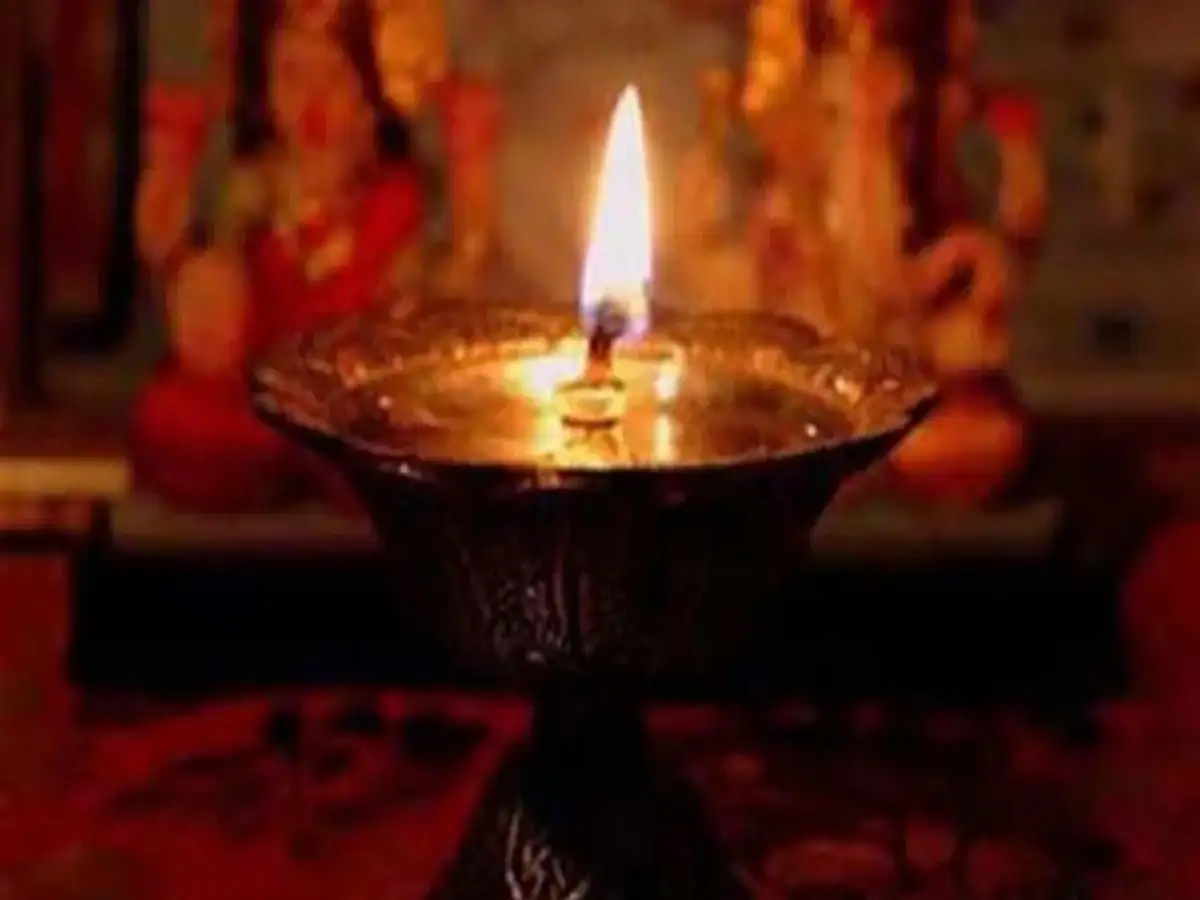
Lighting a lamp during daily worship is a long-standing practice in many Hindu households. The soft flame is traditionally associated with light, purity, devotion and positive spiritual energy. Many families light a lamp in their home temple during morning or evening prayers, while some do so at both times as part of their daily worship routine.
One question that often comes to mind is: How many lamps should be lit in the home temple every day? Traditional Vastu beliefs and religious customs offer different perspectives on this practice. There is no single rule that applies to every household, as customs can vary depending on family traditions, regional practices and individual beliefs.
Here is a look at some commonly followed traditions regarding the number of lamps, the choice of oil or ghee, their placement and important safety precautions.
How Many Lamps Should Be Lit Every Day?
According to commonly followed Hindu traditions, lighting at least one lamp in the home temple is considered auspicious. A single lamp can be lit during morning or evening worship as a symbolic representation of light and devotion.
Some families follow the tradition of lighting two lamps every day. In certain households, one lamp may be dedicated to the main deity worshipped by the family, while the second may be offered in honour of Goddess Lakshmi, the family deity or another revered deity.
However, the number of lamps can differ from one household to another. There is no universal requirement that every family must light a specific number of lamps each day.
Is One Lamp or Two More Auspicious?
Traditional religious practices do not establish a universal rule stating that exactly two lamps must be lit in every home temple.
If a family has traditionally lit one lamp during daily worship, it can continue following that practice with sincerity and devotion. Similarly, households that have a custom of lighting two lamps can continue with their established tradition.
From a devotional perspective, the intention behind worship is considered more important than simply increasing the number of lamps. A lamp lit with faith, concentration and a peaceful mind is traditionally regarded as meaningful.
Should You Use Ghee or Oil in the Lamp?
Different Hindu traditions recommend different types of fuel for lamps depending on the form of worship and the deity being honoured.
Ghee Lamp
A lamp made with clarified butter, commonly known as ghee, is traditionally considered auspicious for worship. Many devotees use a ghee lamp while offering prayers to their preferred deities.
Sesame Oil Lamp
Sesame oil is traditionally used in several Hindu religious practices. It is particularly associated in some traditions with worship dedicated to Lord Shiva and Shani Dev.
Mustard Oil Lamp
Mustard oil lamps are also used during certain religious ceremonies and special worship rituals. Their use may depend on the occasion, deity and customs followed by a particular family.
Therefore, there is no single type of oil or ghee that every household must use. The choice can be based on the family's religious traditions and the type of worship being performed.
Which Direction Should the Lamp Face?
According to commonly followed Vastu principles, placing the lamp in a suitable direction is considered important. The east and north directions are traditionally regarded as favourable for placing a lamp in the home temple.
However, practical safety should always come first. The lamp should be kept on a stable, heat-resistant surface where it is unlikely to fall or tip over. It should also be positioned away from curtains, paper, clothing and other flammable materials.
Things to Keep in Mind While Lighting a Lamp
Keeping the home temple clean is traditionally considered an important part of daily worship. Before lighting the lamp, devotees can ensure that the prayer area, lamp and surrounding space are clean and well maintained.
A few simple practices can make the daily ritual both meaningful and safe:
- Keep the home temple clean and organized.
- Use a clean lamp and a fresh cotton wick whenever possible.
- Place the lamp on a firm and level surface.
- Keep the flame away from curtains, paper and other flammable objects.
- Never leave a burning lamp unattended for an extended period.
- Keep the lamp away from young children and pets.
- Follow the worship customs traditionally practiced by your family.
- Extinguish the flame safely when appropriate and never leave an unattended flame burning.
Devotion Is More Important Than the Number of Lamps
The tradition of lighting a lamp is closely connected with faith and daily worship in many Hindu homes. While Vastu traditions may suggest particular directions, numbers or types of oil, these recommendations can vary according to region, family customs and individual religious beliefs.
For those who follow a simple daily worship routine, one lamp can be a meaningful choice. Families that traditionally light two or more lamps may continue following their established customs.
Ultimately, the traditional significance of a lamp lies not simply in its number but in what it represents: light, devotion and a positive atmosphere during worship. Rather than concentrating only on how many lamps should be lit, devotees can also give importance to maintaining a clean prayer space, worshipping with sincerity and handling the flame safely.
Disclaimer: Vastu recommendations and religious practices are based on traditional beliefs and customs. They are not scientifically established rules, and practices may vary according to family traditions, regions and individual faith.