
LIFESTYLE
Cracked Heels in Winter? Try These 3 Skincare Ingredients and Simple Foot Care Tips for Softer Feet
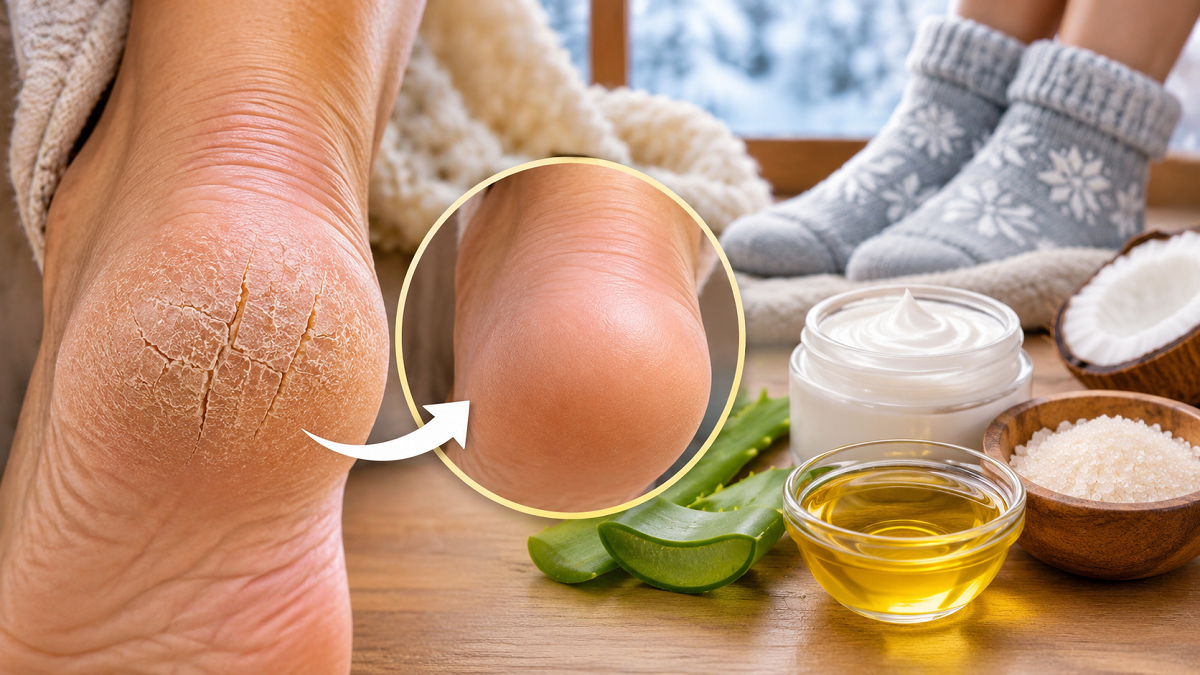
Winter Foot Care Tips: As temperatures begin to fall, dry and rough skin becomes a common concern for many people. While most individuals focus on protecting their face and hands from the cold, their feet often receive less attention. As a result, the skin around the heels can become excessively dry, thick and eventually develop painful cracks.
Cracked heels, medically known as heel fissures, may initially appear as minor cosmetic concerns. However, if the condition worsens, deep cracks can cause discomfort, bleeding and difficulty walking. Cold weather, insufficient moisturising, prolonged standing and wearing unsuitable footwear can all contribute to the problem.
Fortunately, maintaining a consistent foot care routine and choosing appropriate skincare products can help improve heel dryness. Certain ingredients, including ceramides, ammonium lactate and urea, are particularly useful for managing rough, hardened skin.
Here is how these ingredients work and what you can do to keep your heels comfortable throughout the winter season.
Why Do Heels Become Dry and Cracked During Winter?
During colder months, lower humidity levels and exposure to dry indoor air can reduce the skin's moisture content. When the skin loses too much water, its natural protective barrier becomes less effective.
The heels are especially vulnerable because they regularly experience pressure from standing, walking and other daily activities.
When dry skin around the heel becomes thick and inflexible, pressure can cause it to split. These splits may gradually develop into deeper fissures.
Several everyday habits can make the condition worse, including frequent washing with very hot water, using harsh soaps, walking barefoot on hard surfaces and wearing open-backed footwear.
People who already have dry skin conditions may experience more persistent symptoms during winter.
3 Skincare Ingredients That May Help Repair Dry, Cracked Heels
Choosing the right moisturising product can make a significant difference in managing heel dryness. Some ingredients primarily help restore moisture, while others soften and gradually remove thickened skin.
1. Ceramides: Support the Skin's Natural Protective Barrier
Ceramides are naturally occurring lipids found in the outermost layer of the skin. They play an important role in maintaining the skin barrier and preventing excessive moisture loss.
When this protective barrier becomes compromised, the skin may feel tight, flaky and uncomfortable.
Moisturisers containing ceramides help replenish the skin's protective lipids and improve its ability to retain moisture.
Regular application may be particularly helpful for people whose heels become dry during colder weather.
For better results, apply a ceramide-based foot cream shortly after bathing, when the skin is clean and slightly damp.
Although ceramides can improve dryness, they may not be sufficient on their own to remove very thick calluses.
2. Ammonium Lactate: Helps Soften Rough and Thickened Skin
Another ingredient commonly used in products for dry, rough skin is ammonium lactate.
It combines moisturising properties with gentle exfoliating action, helping loosen the buildup of dead skin cells on the surface.
This can be useful when the heels develop thick, hardened patches that do not respond adequately to ordinary moisturisers.
With appropriate use, ammonium lactate lotions may gradually improve skin texture and reduce roughness.
However, products containing this ingredient can cause stinging or irritation, particularly when applied to open cracks, bleeding areas or inflamed skin.
People with deep heel fissures should avoid applying exfoliating products directly to damaged skin unless advised by a healthcare professional.
3. Urea: Improves Moisture Retention and Softens Hard Skin
Urea is widely used in foot creams designed for very dry or thickened skin.
It acts as a humectant, meaning it helps attract and retain water in the outer skin layers.
At higher concentrations, urea can also soften and break down excessive buildup of hardened skin.
This dual action makes it useful for people dealing with rough heels, calluses and persistent dryness.
However, the concentration of urea matters. Lower-strength formulations are generally used for moisturising, while stronger products are intended for more substantial thickened skin.
High-concentration products may irritate broken or sensitive skin. Individuals should select a suitable formulation based on their skin condition and seek professional advice when necessary.
Simple Winter Foot Care Habits to Prevent Cracked Heels
Using a moisturising cream is important, but daily foot care habits are equally essential for maintaining healthy skin.
Moisturise after bathing: Apply a rich, fragrance-free moisturiser immediately after washing your feet. This helps reduce moisture loss and keeps the skin more flexible.
Wear cotton socks at bedtime: Applying a thick moisturiser or petroleum jelly before sleeping and then wearing clean cotton socks can help protect the skin overnight.
Avoid extremely hot water: Washing your feet with very hot water may strip away natural oils and worsen dryness. Lukewarm water is a better option.
Do not cut hardened skin: Never attempt to remove thick heel skin using blades, scissors or other sharp objects. Such practices can cause injuries and increase the risk of infection.
Choose supportive footwear: Shoes with proper cushioning and heel support may help reduce pressure on the affected areas. Open-backed sandals can allow dry heel skin to spread and crack under pressure.
Avoid aggressive scrubbing: If the skin is intact, gentle use of a foot file may help manage calluses. However, scrubbing should be avoided when cracks are painful, bleeding or inflamed.
When Should You Consult a Doctor for Cracked Heels?
Although mild heel dryness can often be managed with regular moisturising, certain symptoms require medical attention.
Consult a healthcare professional if the cracks become deep, cause significant pain, bleed repeatedly or show signs of infection.
Redness, swelling, warmth, pus or increasing tenderness may indicate a developing infection and should not be ignored.
People with diabetes need to be particularly cautious because reduced sensation, impaired circulation and delayed wound healing can increase the risk of serious foot complications.
Anyone with diabetes who develops a heel wound should seek medical advice promptly rather than attempting to remove calluses or treat deep cracks at home.
Persistent heel fissures may also be associated with underlying skin conditions such as eczema or psoriasis, which can require specific treatment.
How Long Does It Take for Cracked Heels to Improve?
The recovery period depends on the severity of the dryness, the depth of the cracks and the consistency of treatment.
Mildly dry heels may begin to feel softer after several days of regular moisturising. More substantial thickening or deeper fissures can take longer to improve and may require professional care.
Continuing to moisturise even after the skin feels better can help reduce the likelihood of the problem returning.
Final Thoughts
Dry, cracked heels are common during winter, but they should not be overlooked when they become painful or damaged.
A simple routine involving regular moisturising, appropriate footwear and gentle skin care can help keep heels soft and comfortable.
Ceramides can support the skin barrier, ammonium lactate may improve roughness, and urea can help retain moisture while softening hardened skin.
The most suitable product depends on the condition of the skin. Avoid applying potentially irritating exfoliating ingredients to open wounds, and seek medical attention if cracks become deep, infected or persist despite proper care.