LIFESTYLE
Causes of Lung Cancer: Weeks-old cough and blood in sputum? Learn the early symptoms of lung cancer.
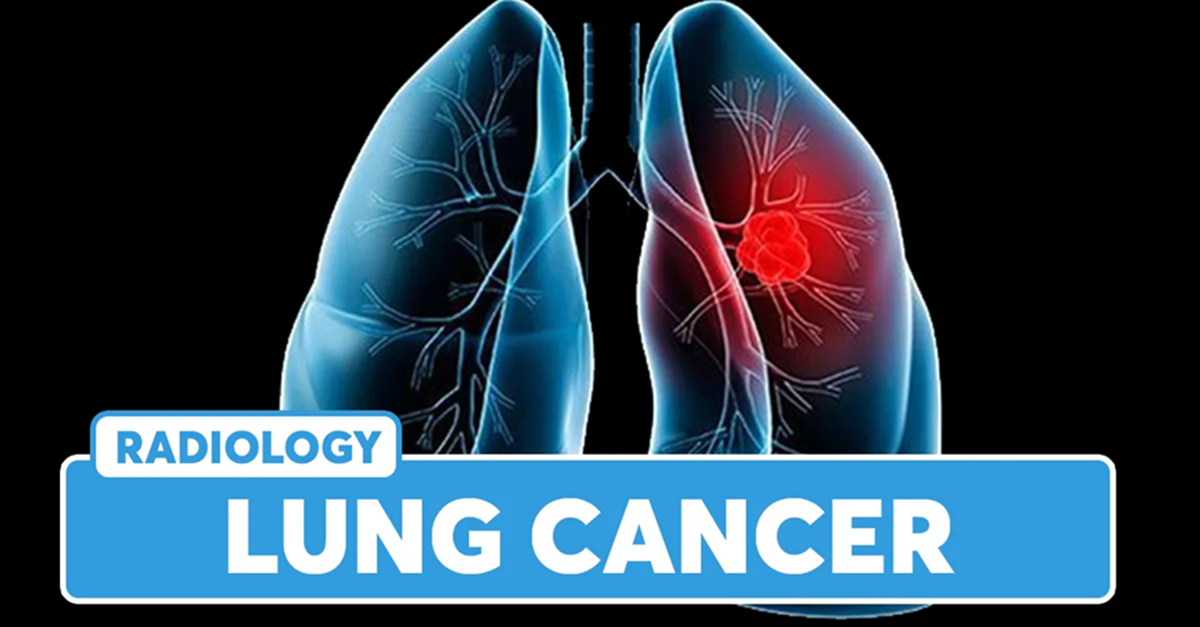
Causes of Lung Cancer: Lung cancer is a disease whose symptoms are not easily visible. Pulmonologist Dr. Apar Jindal explains the symptoms of this disease and how it progresses.
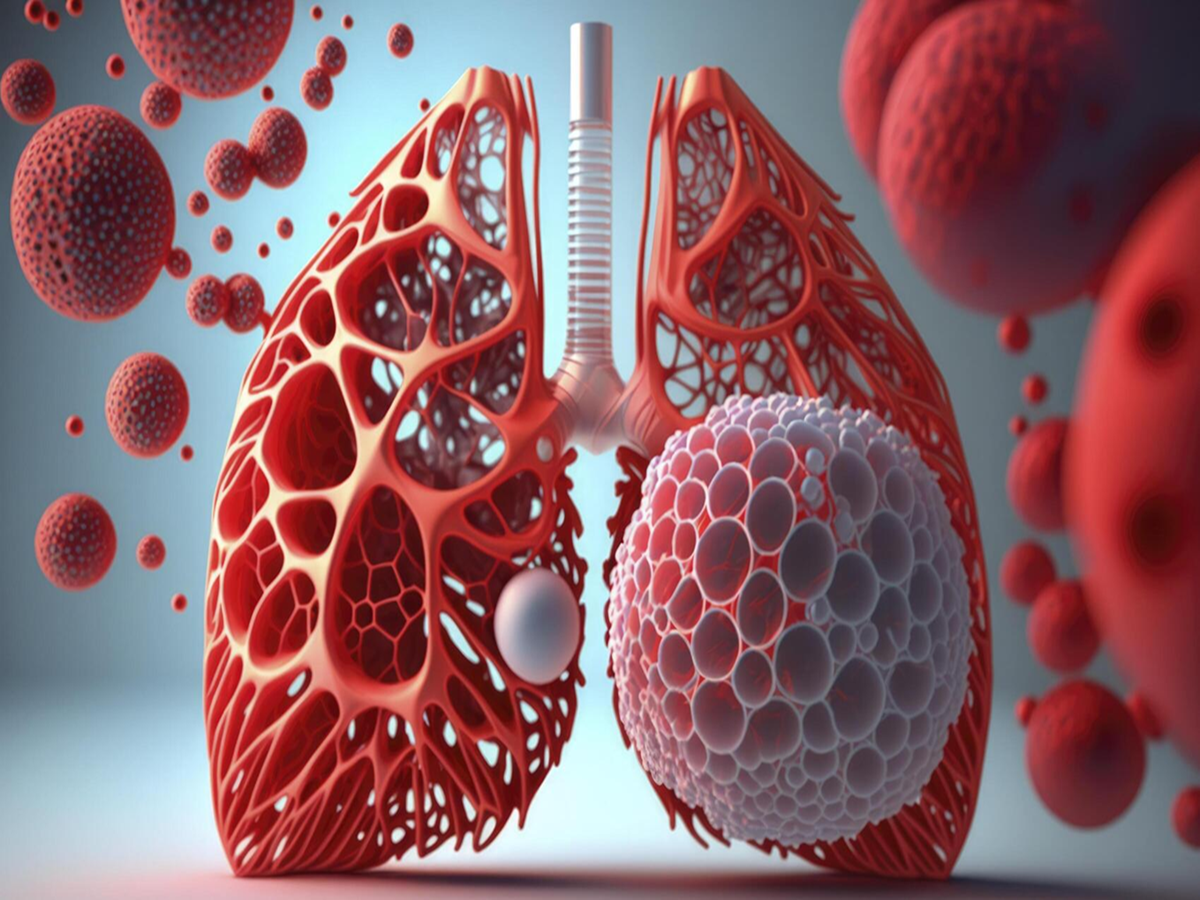
Causes of Lung Cancer: People often go to the doctor when they have a cough. Most coughs are harmless and resolve within a few days or weeks. But what if the cough persists for several days? Could this be a sign of a serious illness? Dr. Apar Jindal, Director of Pulmonology and Transplant Physician at Max Smart Hospital, explained some possible symptoms of lung cancer.
early symptoms of lung cancer
Dr. Apar Jindal explains that lung cancer begins slowly. In the early stages, lung cancer may not show any symptoms. Sometimes, it's just a mild cough, which people dismiss as a common infection, a result of smoking, or an allergy. This is why most patients are diagnosed only when the condition has worsened. According to Dr. Jindal, if a cough persists for more than three weeks, the cough pattern changes, or there's blood in the sputum, don't take it lightly. This could be a sign of tuberculosis, lung cancer, or other serious lung diseases like ILD.
According to Dr. Apar Jindal, there are other warning signs that need attention: shortness of breath, chest pain, frequent lung infections, wheezing, unexplained weight loss, loss of appetite, constant fatigue, or hoarseness. Although these symptoms do not always mean lung cancer, it is still important to get a thorough checkup done by a doctor.
Causes of lung cancer
People generally think that lung cancer only affects cigarette or bidi smokers, but that's not true. While tobacco is the most common cause, many patients are those who have never smoked. The main causes of this disease are considered to be secondhand smoke, air pollution, factory dust and chemicals, toxic gases, or a family history of cancer, i.e., genetics.
Lung cancer treatment
Dr. Apar Jindal explained that new technologies now allow lung cancer to be detected much earlier. Doctors review the patient's history and then perform chest X-rays and CT scans. If abnormalities are detected, tests like bronchoscopy or biopsy confirm the diagnosis. Genetic testing is also now available, allowing for tailored treatment for each patient. Cancer treatment has also become very advanced, depending on the stage of the disease, including non-invasive surgery, advanced radiation, chemotherapy, targeted therapy, and immunotherapy. If the disease is detected early, it can be completely cured.