LIFESTYLE
FSSAI Alcohol Ban: Will your favorite rum and whiskey no longer be sold? FSSAI has imposed a ban.
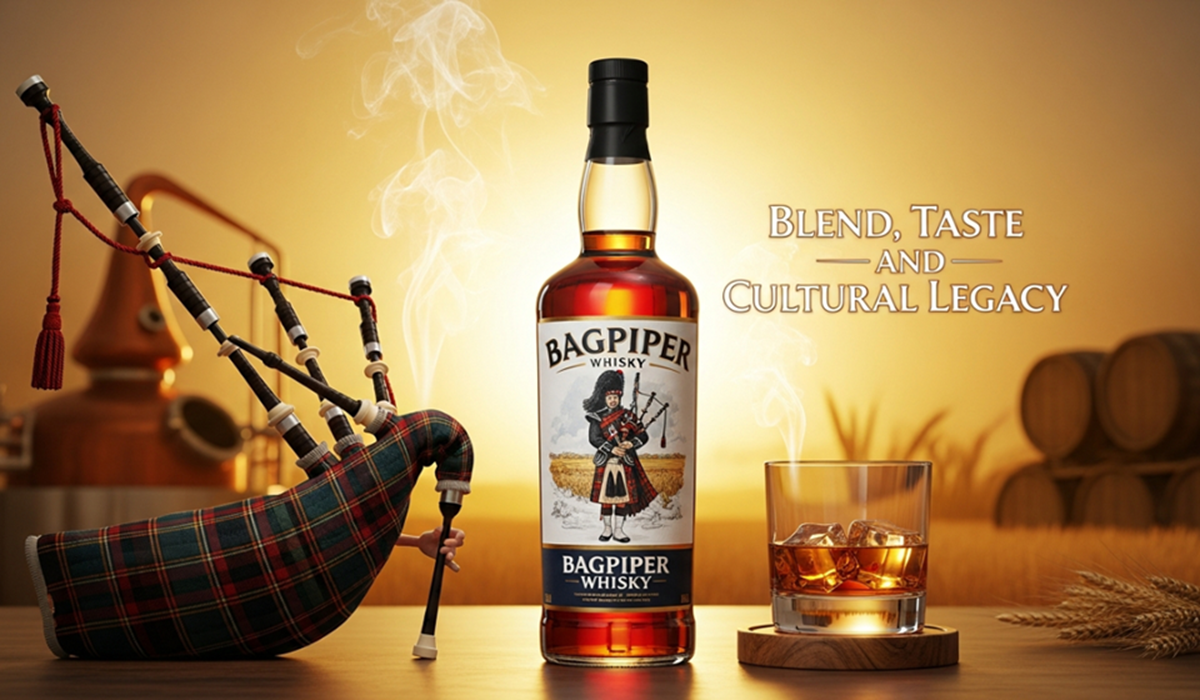
Bagpiper Deluxe Whisky: Made with neutral alcohol or extra neutral alcohol. This type of alcohol lacks the drink's natural and distinctive flavor.
FSSAI cracks down on artificial flavours in alcohol
Artificial Flavors in Rum and Whiskey: If you drink rum or whiskey, this news may be important to you. The Food Safety and Standards Authority of India has clarified its stance on the use of similar or artificial flavors in alcoholic beverages. The food regulator has initiated action against some manufacturers who violate the rules. Additionally, the sale of several popular rums and whiskeys has been banned.
According to the Food Safety and Standards Authority of India, many companies are producing standard alcoholic beverages according to established standards. However, some manufacturers are using methods that are not permitted under current regulations. The regulator has taken action regarding these issues.
Why is flavor being added to rum and whiskey?
According to FSSAI, some manufacturers are primarily formulating their alcoholic beverages with neutral alcohol or extra-neutral alcohol. This type of alcohol lacks the drink's natural and distinctive flavor, which is typically expected from standard alcoholic beverages like rum or whiskey. Identical or artificial flavorings are then added to create the same taste and aroma. Simply put, the distinctive flavor of rum or whiskey, which should come from its production process and raw materials, is being created in some cases by the addition of additional flavorings.
What did FSSAI say?
The food regulator says there is no internationally recognised manufacturing practice that involves adding a separate rum flavour to rum to create the original rum taste or a separate whisky flavour to whisky to create the whisky taste. According to FSSAI, the standards for alcoholic beverages aim to ensure that their chemical composition remains consistent with their original raw materials and production process.
The regulator also clarified that food businesses cannot use any ingredients or additives that could mislead consumers about the product. This means that altering the identity and taste of a standard rum or whiskey solely by adding flavorings is not covered by the regulations.
Sale of these three Old Monk rums banned
Several well-known brands have come under the ambit of FSSAI's action. The regulator has banned the sale of three varieties of Old Monk rum produced at Mohan Rocky Springwater's Khopoli unit: Old Monk The Legend, Old Monk Gold Reserve, and Old Monk XXX Matured Rum. The sale of McDowell's No. 1 rum, produced at United Spirits' Baramati unit, has also been banned.
Bagpiper and Old Cask are also on the list.
The FSSAI's action isn't limited to Old Monk and McDowell's. The sale of Bagpiper Deluxe Whisky and Old Cask Deluxe XXX Rum, both produced by Inbru Beverages in Madhya Pradesh, has also been banned. Central Provinces Whisky and McDowell's No. 1 Celebration Matured XXX Rum, both produced by Associated Alcohol & Breweries in Madhya Pradesh, are also under the scope of the action.
Antiquity Blue and Royal Challenge are also banned.
FSSAI has also banned the sale of Antiquity Blue Whiskey and Royal Challenge Whiskey, both produced by United Spirits, in Madhya Pradesh. This brings several whiskeys, along with rum, under the regulatory scrutiny. However, it's important to note that the FSSAI action refers to products manufactured at specific manufacturing facilities, not just the respective brands.
Why is this action of FSSAI important?
FSSAI's primary focus is on maintaining the identity and authenticity of alcoholic beverages. If a drink is being sold as standard rum or whiskey, its distinctiveness should not be derived solely from artificial or identical flavorings added later. The regulator states that these standards are designed to ensure that the chemical composition of alcoholic beverages remains consistent with the original source of raw materials and that consumers are not misled about the product's true nature. Currently, FSSAI has clarified that many manufacturers are producing standard alcoholic beverages in accordance with the established regulations. Action has been initiated against specific manufacturers where cases of unauthorized use of identical or artificial flavoring substances have been identified.