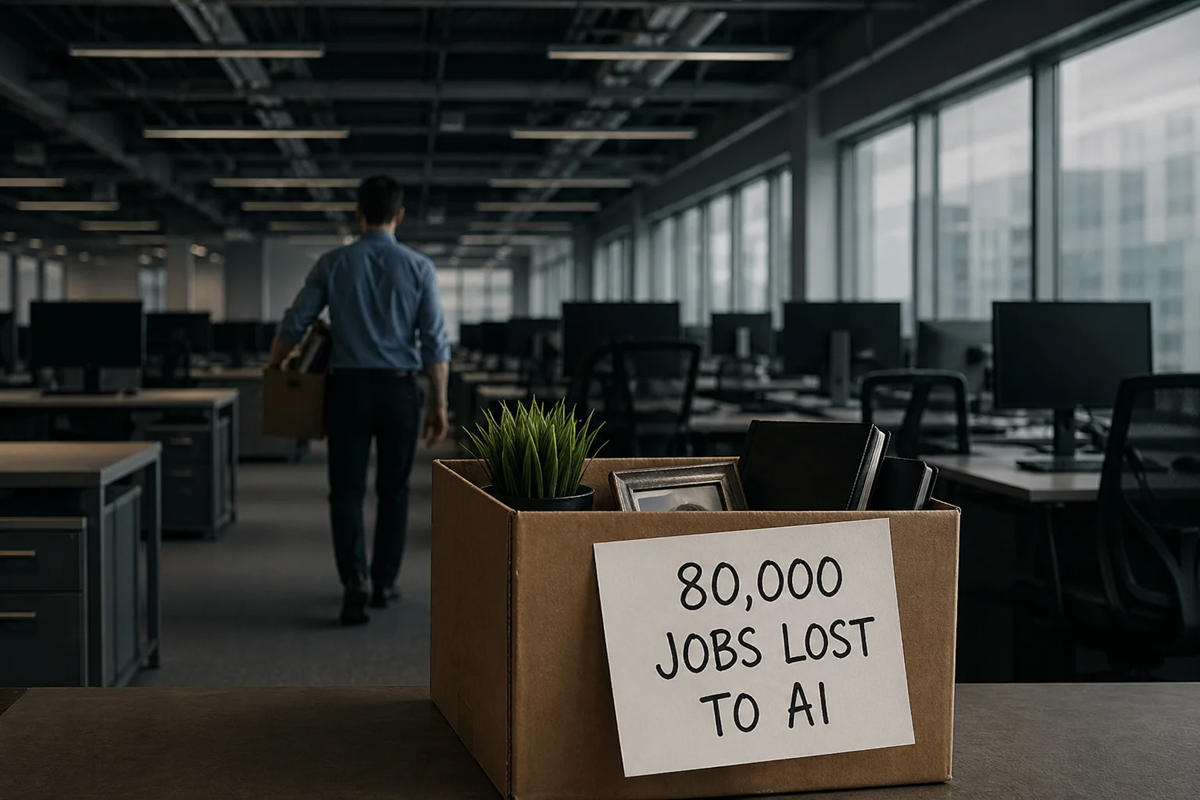
AI Tools Risk: Excessive use of AI tools can make people feel lonely. A new study has found that this can also impact mental health.
AI Tools Risk: Reliance on AI tools can leave people isolated.
AI Tools Risk: AI tools are gradually becoming an increasingly important part of our lives. People are now relying on them for everything from personal to professional matters. Due to their ever-increasing use, many people become emotionally attached to these tools. In one case, a woman even married a virtual partner created by AI . Now, research has revealed that AI tools have many hidden psychological and social risks. Over-reliance on these tools can even lead to loneliness. Therefore, it is important to use them with caution.
Friendship with AI can affect real relationships.
A study by IIM Lucknow has revealed that becoming overly emotionally attached to an AI companion can impact real-world relationships and mental health. Researchers say that the advent of AI tools has changed the way people communicate and seek emotional support. These tools are marketed as tools for comfort, companionship, and emotional engagement, but they can have a significant impact on users' behavior and psychology. Researchers noted that many people are now using AI systems instead of humans for emotional comfort, which leads to a lack of real-life interactions. Researchers also noted that many users are becoming dependent on AI tools for emotional regulation and mental health support. If this continues for an extended period, it could be dangerous.
Even using AI tools for 10 minutes is dangerous.
A few months ago, another study by Carnegie Mellon University, MIT, the University of Oxford, and UCLA revealed that using AI chatbots, even for a short time, can make people mentally lazy. The researchers explained that even a small amount of AI assistance reduces a person's ability to think. This makes them unable to solve problems on their own. If things become even slightly difficult, they give up. Once people get used to receiving answers from AI, they are less willing to struggle to solve any problem on their own. The brain is paying a heavy price for AI's assistance. People who use AI are giving up more quickly than those who have never used this technology.