LIFESTYLE
Basic Life Support: Why is CPR so important? Why should everyone learn this life-saving technique?
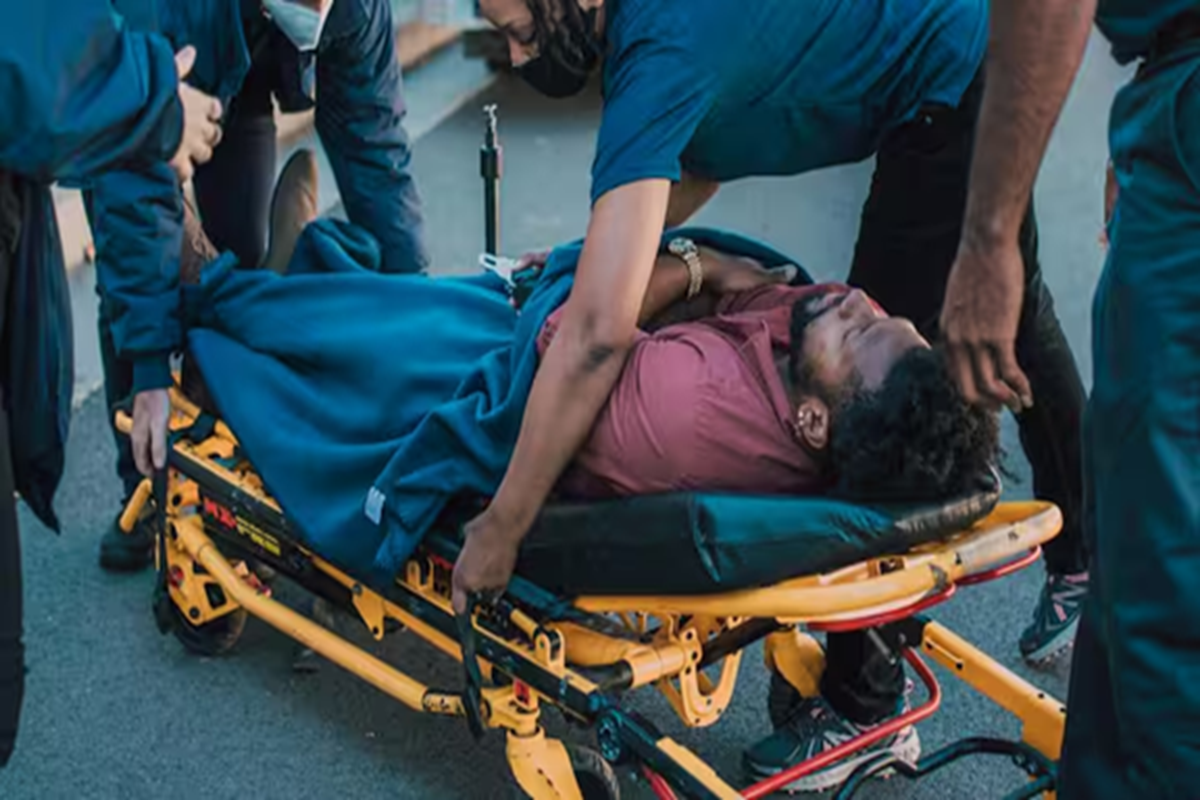
Basic Life Support: CPR is a life-saving technique used in the event of cardiac arrest and can provide immediate assistance to save a person's life. This procedure helps restart the heart and breathing.
Nowadays, cases of sudden heart disease and cardiac arrest are increasing rapidly. Sometimes, a person collapses on the street, at home, or in the office, and their breathing or heartbeat stops. In such situations, if immediate help is not provided, the person may even die. In this situation, CPR becomes a vital life-saving technique.

1 /7
CPR stands for Cardiopulmonary Resuscitation. It is an emergency procedure that attempts to restart a person's heart and breathing. When a person stops breathing or their heart stops working, CPR is used to maintain blood and oxygen flow throughout their body, potentially saving their life.
2 /7
According to doctors, if CPR is administered at the right time, a person's chances of survival can increase two to three times. It has often been observed that the first few minutes after cardiac arrest are crucial. If help arrives during this time, the person's life can be saved, otherwise the situation can become very serious.
3 /7
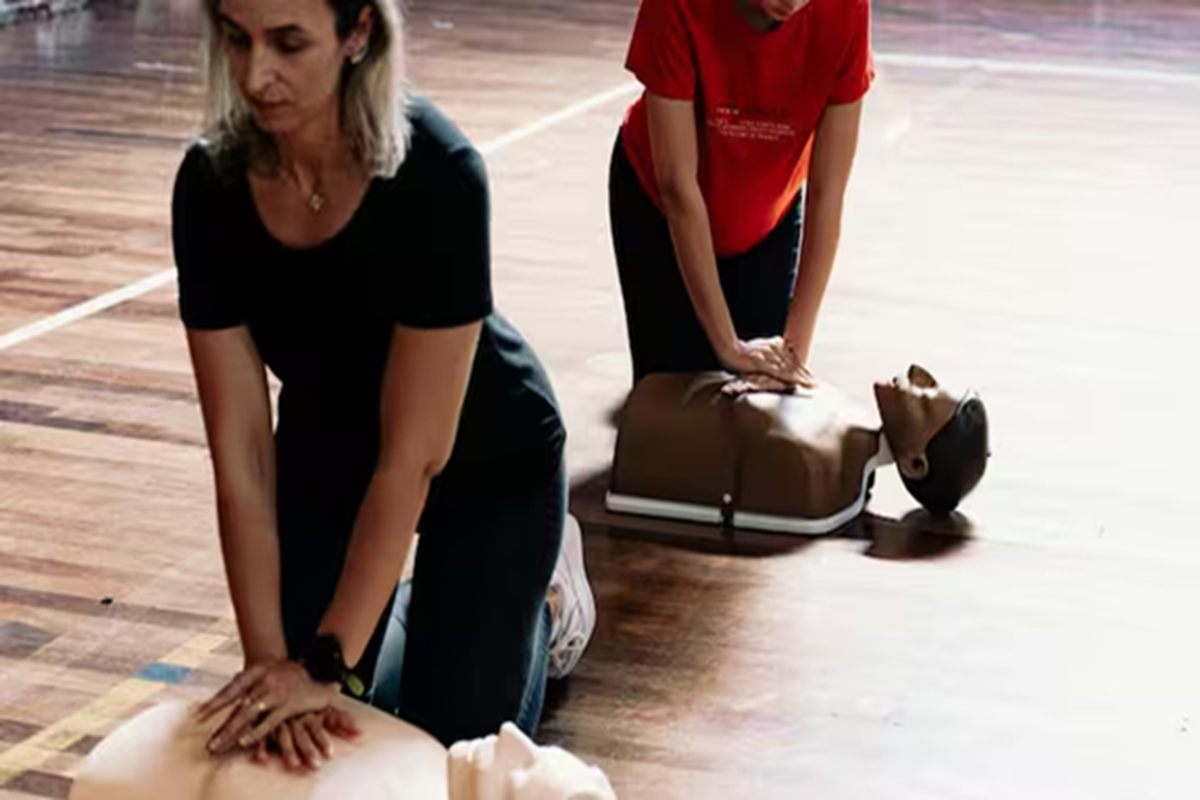
One important thing about CPR is that any layperson can learn it. It doesn't require a doctor. With just a little training and proper knowledge, anyone can save a life in an emergency. Therefore, many health experts and organizations are encouraging people to learn CPR.
4 /7
The most common method of CPR is "hands-only CPR." This involves applying firm pressure to the center of the person's chest. This pressure is applied steadily and rapidly to keep the heart pumping blood through the body. In many cases, this method works until medical help arrives.
5 /7
The right time to administer CPR is when a person suddenly becomes unconscious, stops breathing, or becomes unresponsive. In such cases, an ambulance should be called immediately and CPR should be initiated. Every second of delay can worsen the patient's condition, so it's crucial to act quickly.
6 /7
Even today, very few people in India have proper knowledge of CPR. This often results in people losing their lives simply because they don't receive timely help. If more people learned this technique, thousands of lives could be saved every year.
7 /7
In conclusion, CPR is not just a medical technique, but a life-saving skill. It teaches us that we, too, can be a lifesaver in an emergency. Therefore, everyone should learn CPR, as it can save lives anytime, anywhere.