Business
ATM Safety Tips: 7 Mistakes to Avoid While Withdrawing Cash to Keep Your Bank Account Secure
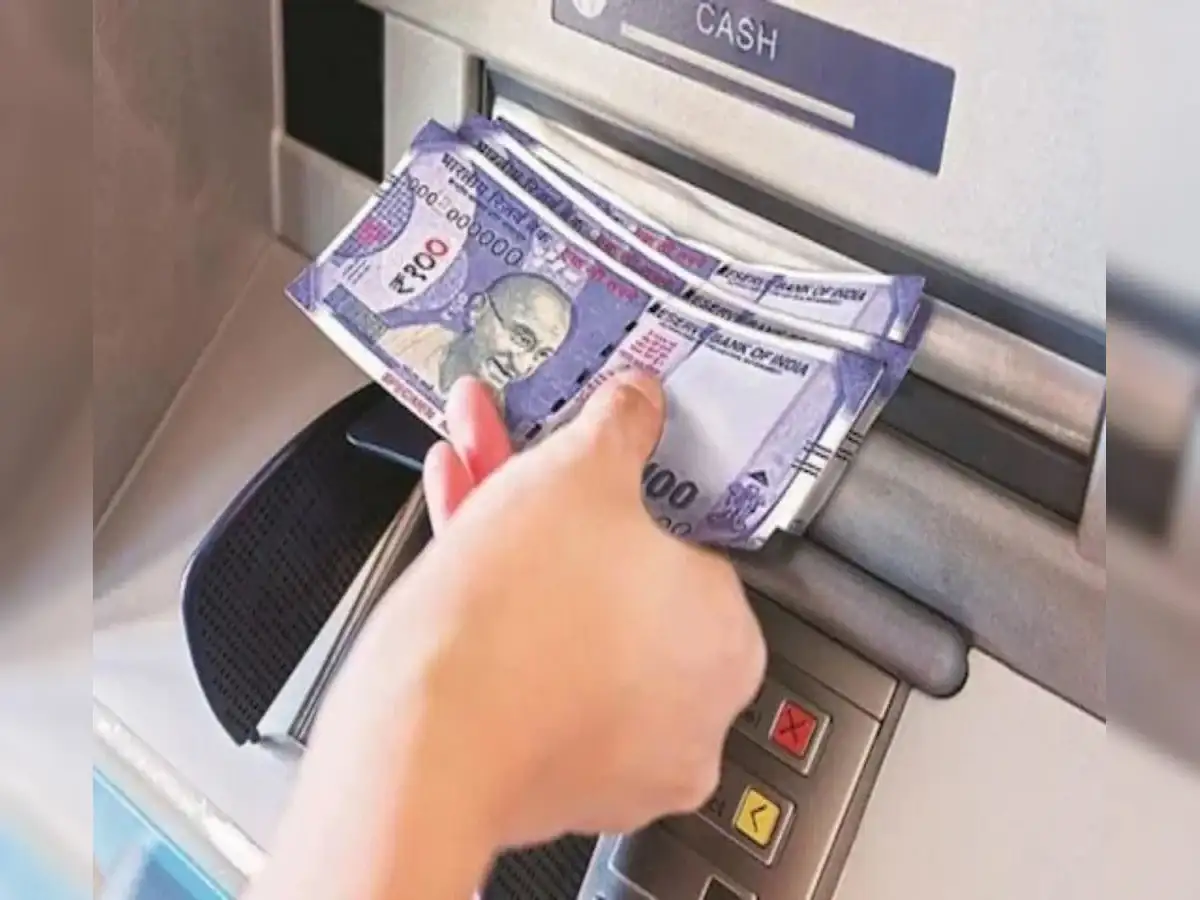
Digital payments have become a part of everyday life, with UPI, mobile banking and cards making it possible to pay for almost everything without carrying cash. From grocery shopping and utility bills to larger purchases, many people now prefer digital transactions. However, there are still situations where physical cash is necessary, and ATMs remain one of the easiest ways to withdraw money.
While withdrawing cash from an ATM may seem routine, users should not become careless about security. Fraudsters can use techniques such as card skimming, PIN theft and social engineering to target unsuspecting customers. A few simple precautions while using an ATM can significantly reduce the risk of exposing your card or banking information.
Here are some important ATM safety practices you should follow whenever you withdraw cash.
1. Inspect the Card Slot Before Inserting Your Debit Card
Avoid inserting your debit or ATM card immediately after reaching the machine. Take a few seconds to examine the card slot and surrounding area.
Fraudsters may attempt to install skimming devices designed to capture information stored on a card. If the card reader appears loose, unusually bulky, damaged or different from what you normally see, it is safer not to use the machine.
You should also look for unusual attachments or signs that the card reader has been tampered with. If anything appears suspicious, cancel your plan to use that ATM and choose another machine, preferably one located at a bank branch or another well-monitored location.
2. Always Cover the Keypad While Entering Your PIN
Your ATM PIN is one of the most important pieces of information protecting access to your account. Never enter it in a way that allows another person to see the numbers you are pressing.
Use one hand to cover the keypad while entering your PIN with the other. This simple habit can help protect the PIN from people standing nearby and can also reduce the risk of it being captured by a concealed camera.
Never disclose your PIN to anyone. A person claiming to be a bank representative, ATM technician or security worker should not need to know your confidential PIN.
3. Don't Accept ATM Assistance From Strangers
If you are unfamiliar with using an ATM, consider taking a trusted family member or friend with you instead of asking a stranger at the ATM booth for assistance.
A fraudster pretending to help could potentially observe your PIN, take control of your card or try to exchange it for another card without you noticing.
If someone at an ATM is unusually eager to help, remain cautious. Keep your card in your possession and operate the machine yourself whenever possible.
4. Maintain Privacy While Making the Transaction
Personal space is also an important part of ATM security. If someone enters the booth and stands too close while you are making a transaction, politely ask them to maintain a reasonable distance or wait outside.
Do not allow anyone to look over your shoulder at the ATM screen or keypad.
If a person refuses to move away or their behaviour makes you uncomfortable, cancel the transaction. At locations with security personnel, you can also seek assistance from the guard.
5. Never Share PIN, OTP or CVV Details
Bank customers should treat confidential banking information carefully. Your PIN, one-time password (OTP) and card verification value (CVV) should not be disclosed to strangers.
Be especially cautious if someone contacts you claiming that your account or card needs urgent verification and asks for confidential information.
If you are uncertain about any request involving your bank account, contact the bank through its official customer-service channels instead of relying on contact information supplied in an unsolicited call or message.
6. Don't Forget Your Card or Cash After the Transaction
Once the withdrawal is complete, make sure you collect everything before leaving the ATM.
Take your debit card, cash and transaction receipt, if you requested one. Avoid becoming distracted by phone calls or people around you immediately after completing the transaction.
Also check the ATM screen to confirm that the session has ended before walking away. If the machine offers another transaction option, make sure you have properly completed or cancelled the session.
7. Report Suspicious Activity Quickly
If an ATM appears to have been tampered with, your card gets stuck unexpectedly, or you notice an unfamiliar transaction after using an ATM, contact your bank promptly through its official channels.
If you suspect your card details may have been compromised, consider blocking or temporarily disabling the card through the bank's official app, website or customer-care facility, where available.
Keeping transaction alerts enabled can also help you notice unauthorized activity quickly.
Simple ATM Habits Can Strengthen Your Banking Security
ATMs offer convenient access to cash, but convenience should not come at the cost of security. Inspecting the machine before inserting your card, covering the keypad while entering your PIN, refusing assistance from strangers and protecting confidential banking information are simple habits that can make ATM transactions safer.
Before leaving an ATM, remember to collect your card and cash and ensure that the transaction has completely ended. If something about the machine or the people around it appears suspicious, cancelling the withdrawal and finding another ATM is usually the safer choice.
A few extra seconds of caution can help protect your debit card information and reduce the chances of becoming a victim of ATM-related fraud.