LIFESTYLE
Are Gen Z fitter and healthier than Millennials? A new report reveals a surprising finding.
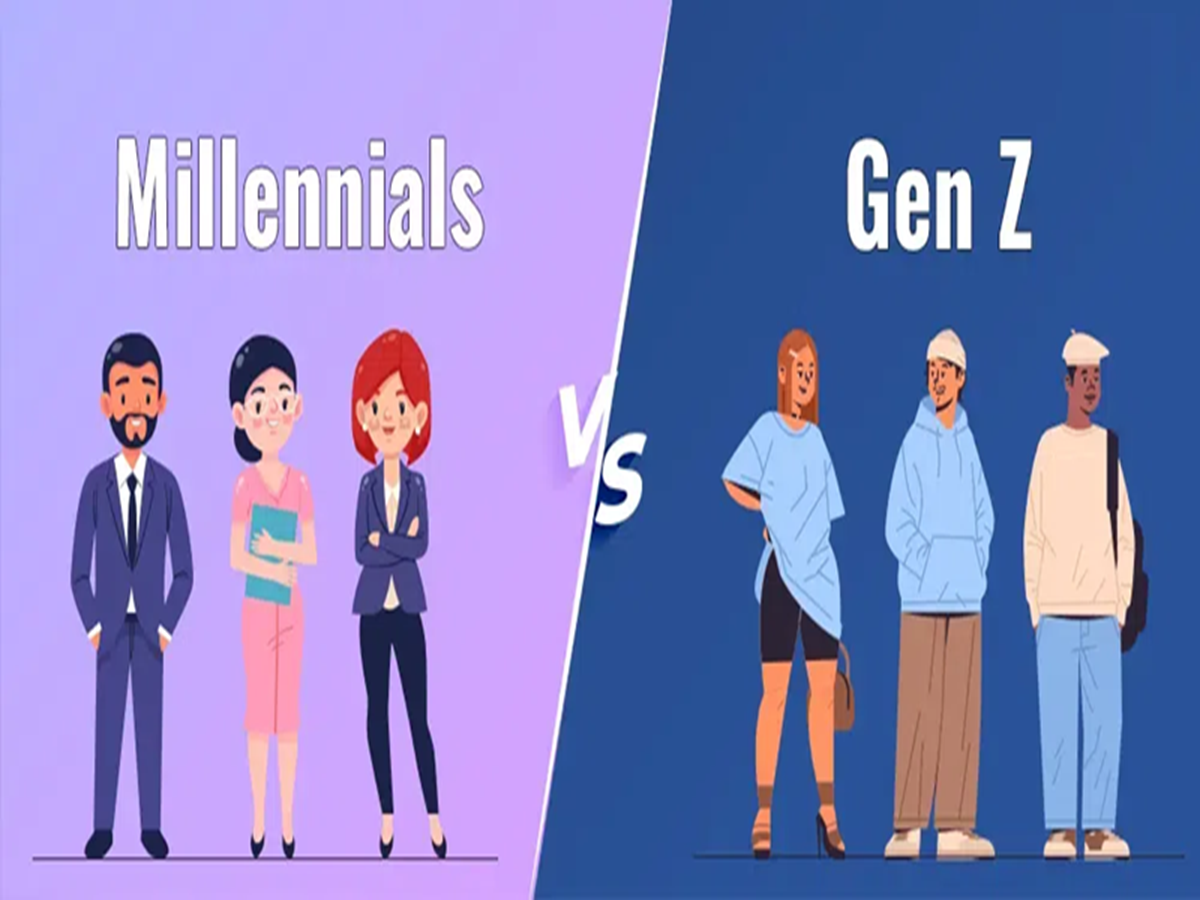
Gen Z vs Millennials: Gen Z appears to be very conscious about their fitness and wellness. Millennials, on the other hand, are often seen as a generation that struggles with long working hours, stress, and fatigue.

Millennials vs. Gen Z: New Health Report
Gen Z vs Millennials: Today's new generation appears more health-conscious than ever before. Social media is constantly discussing topics like fitness, a healthy diet, good sleep, mental health, and yoga. Gen Z, in particular, appears to be very conscious about their fitness and wellness. Millennials, on the other hand, are often seen as a generation that struggles with long working hours, stress, and fatigue. But is simply having health knowledge a sign of good health? According to experts and new reports, awareness about fitness and wellness has increased among Gen Z, but it cannot be said that Gen Z is completely healthier than Millennials.
Is Gen Z fitter and healthier than Millennials?
According to experts, Gen Z is more open about mental health, fitness, good sleep, and disease prevention than previous generations. Millennials played a major role in popularizing things like yoga, healthy eating, gyms, meditation, and work-life balance. Gen Z has since expanded these practices and begun openly discussing topics like therapy, burnout, emotional health, and preventative health. However, doctors say that being aware and being truly healthy are two different things.
What do Gen Z and Millennials look for when it comes to health?
Millennials' primary fitness goals were often weight loss and appearance. However, Gen Z now focuses more on muscle mass, body composition, and flexibility rather than just weight. Experts believe this shift is positive. However, they point out that excessive health awareness can often lead to stress. Many young people today are stressed about the need to maintain a healthy diet and a healthy lifestyle at all times.
Shocking revelation in new report
According to experts, many diseases that previously typically occurred at older ages are being diagnosed at younger ages in today's younger generation. Doctors say that cases of high blood pressure, diabetes, and even heart attacks are now occurring in people between the ages of 30 and 40. Chronic stress, lack of sleep, long periods of sedentary work, unhealthy eating habits, and lack of physical activity are cited as reasons behind this. Furthermore, problems like anxiety, depression, insomnia, obesity, PCOS, and early-onset diabetes are also becoming more prevalent among young people.
Gen Z talks openly about mental health.
Experts say that Gen Z is more open-minded about mental health than previous generations. This generation doesn't hesitate to seek therapy and help when needed. According to doctors, this is why mental health issues are becoming more prevalent today. People are accepting them instead of hiding them. Awareness has increased, willingness to seek treatment has increased, and societal acceptance of mental health has improved. However, factors like modern lifestyle, constant stress, poor sleep, lack of physical activity, constant screen time, and social issues have also increased mental stress.
Digital lifestyle is also becoming a challenge.
According to experts, Millennials and Gen Z have different ways of dealing with stress. Millennials try to feel better by listening to old songs or reminiscing about old memories. Meanwhile, Gen Z often resorts to doomscrolling, a form of mobile scrolling. Doctors say that constantly being online, comparing oneself to others on social media, the pressure to stay updated all the time, and the fear of missing out are also major causes of mental fatigue and burnout. Earlier, there was some separation between online and offline life, but now this difference has reduced considerably.