FOOD & RECIPE
Crispy Medu Vada: Aren't Medu Vadas crispy on the outside and soft on the inside? Take note of these secret tips today.
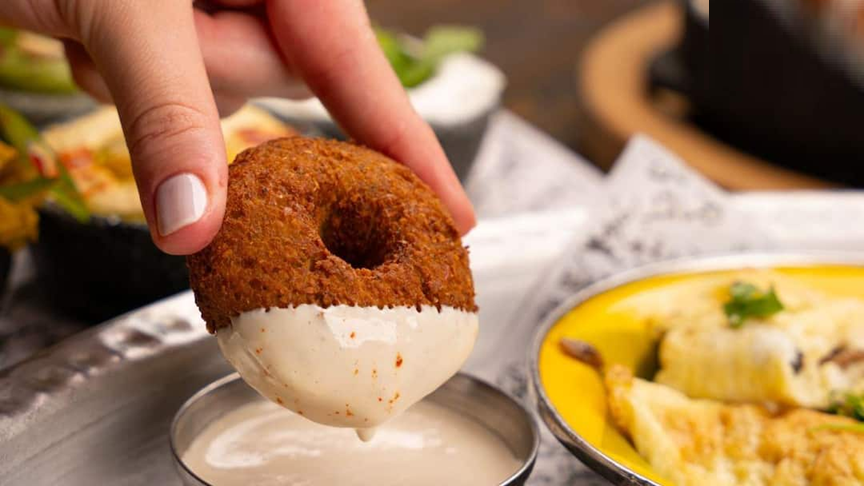
Medu Vada Cooking Tips: The snack Medu Vada is now a favorite across the country. Served with coconut chutney and sambar, this dish is golden and crispy on the outside, yet soft on the inside.
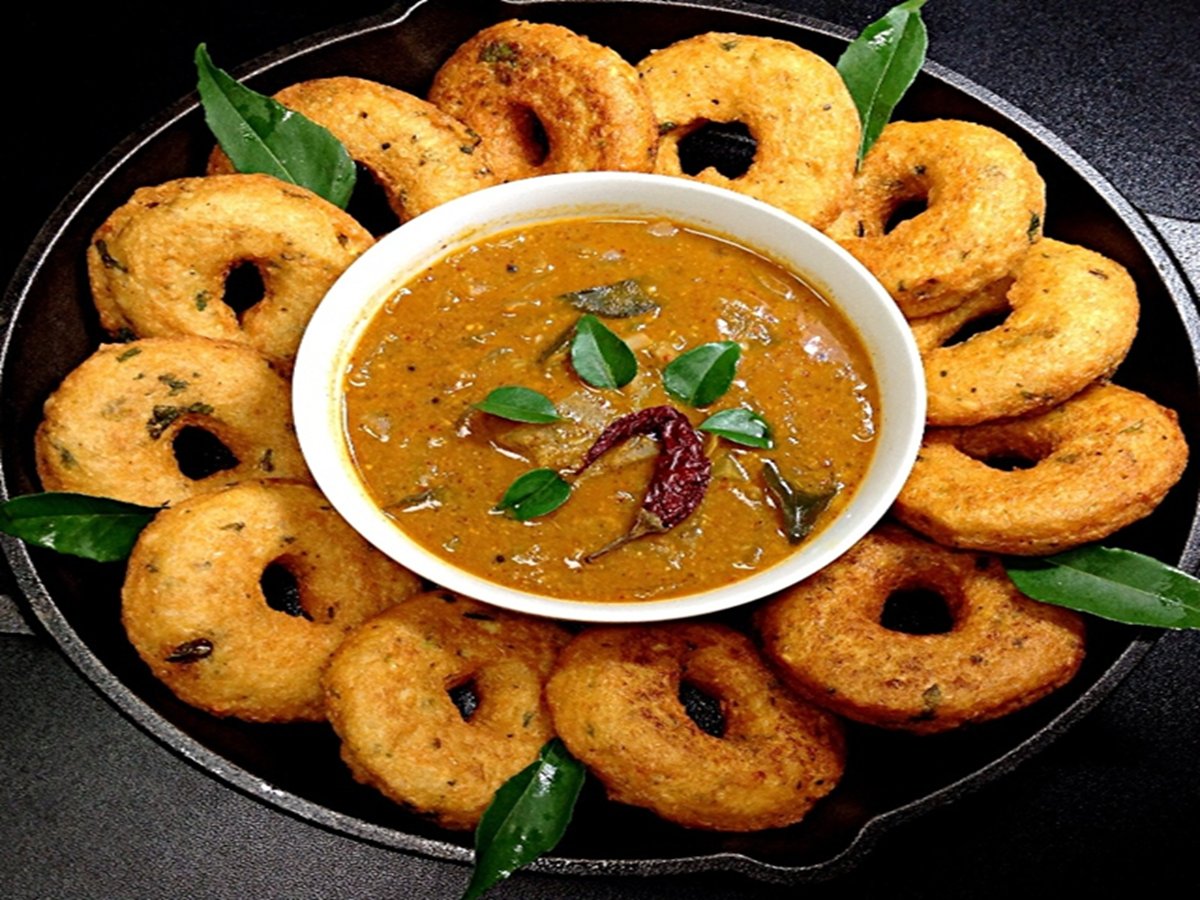
Method of making Medu Vada
Soft and Fluffy Medu Vada Recipe Tips: Medu Vada, a popular South Indian snack, is now a national favorite. Served with coconut chutney and sambar, this dish is golden and crispy on the outside and soft on the inside. However, many people complain about making Medu Vada at home, which either becomes tough or absorbs too much oil during frying. If you want to make a perfect Medu Vada like the ones in restaurants, it's important to keep a few simple things in mind.
Soak the lentils in water for 2 to 3 hours.
To make Medu Vada, first soak whole urad dal in water for 2 to 3 hours. Then, drain the water completely and grind it into a thick batter, adding very little water. The thicker and smoother the batter, the better the vada will hold its shape and will not spread during frying.
Beat well for 5 to 8 minutes.
Once the batter is ready, don't use it immediately. First, beat it thoroughly with a wooden spoon, whisk, or your hands for 5 to 8 minutes. This process entrains air in the batter, making the Medu Vada crispy on the outside and light and spongy on the inside. To check if the batter is ready, drop a small amount into a pot filled with water. If the batter floats on the surface, it's ready to fry.
Now add finely chopped onion, green chilies, ginger, curry leaves, asafoetida, and salt to taste to the batter. If desired, you can also add finely chopped carrots and coriander leaves. If making Medu Vada for a puja or prasad, it would be better to add crushed black pepper and cumin seeds instead of onion.
What to keep in mind while making Vada?
When shaping the vada, keep your hands or spoon slightly wet. This will prevent the batter from sticking and make it easier to create a hole in the center. Heat the oil thoroughly, but always fry the vada over medium heat. High heat will cause the vada to brown quickly on the outside and remain undercooked on the inside, while too low a heat will cause it to absorb too much oil. While frying, turn the vada frequently to ensure it becomes evenly golden and crisp on all sides. If the batter accidentally becomes too thin, add a little rice flour, semolina, or refined flour to thicken it. A pinch of baking soda can also be added for extra crispiness. If the vada is absorbing too much oil, adding a little refined flour can alleviate this problem.