LIFESTYLE
Tooth Regeneration: Is the need for dentures about to end? The body could grow its own teeth!
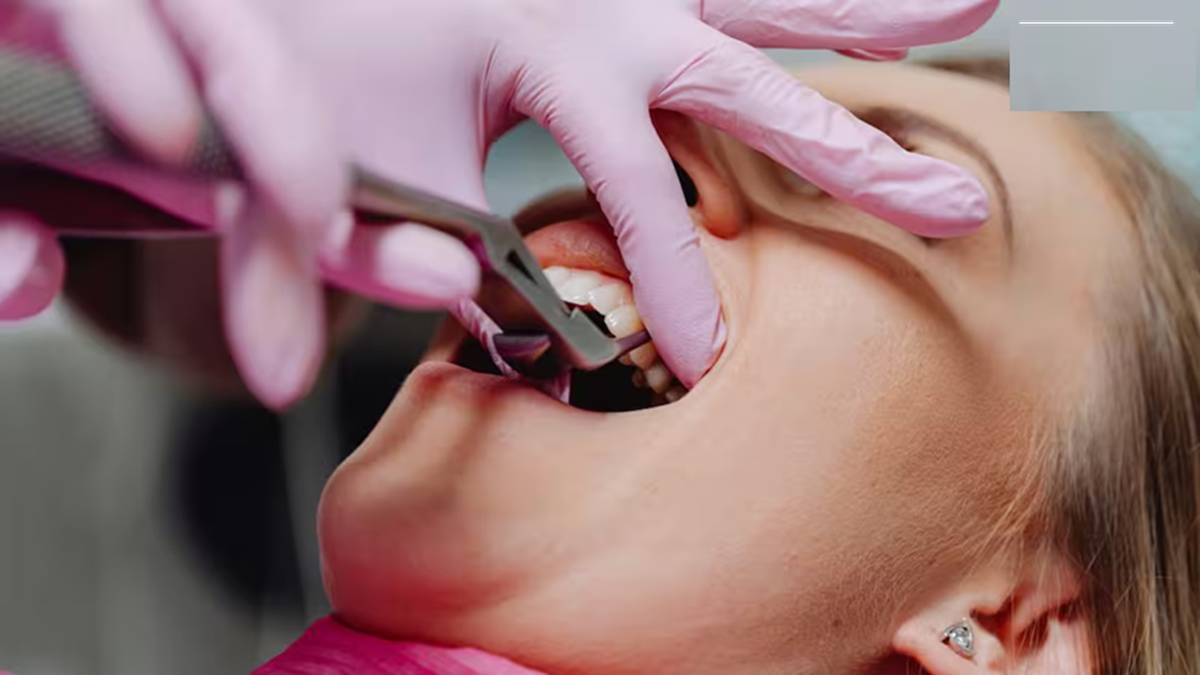
Dental Tissue Engineering: When a tooth root is forming, oxygen levels in that area decrease. This condition activates these cells. They then produce two essential types of cells.
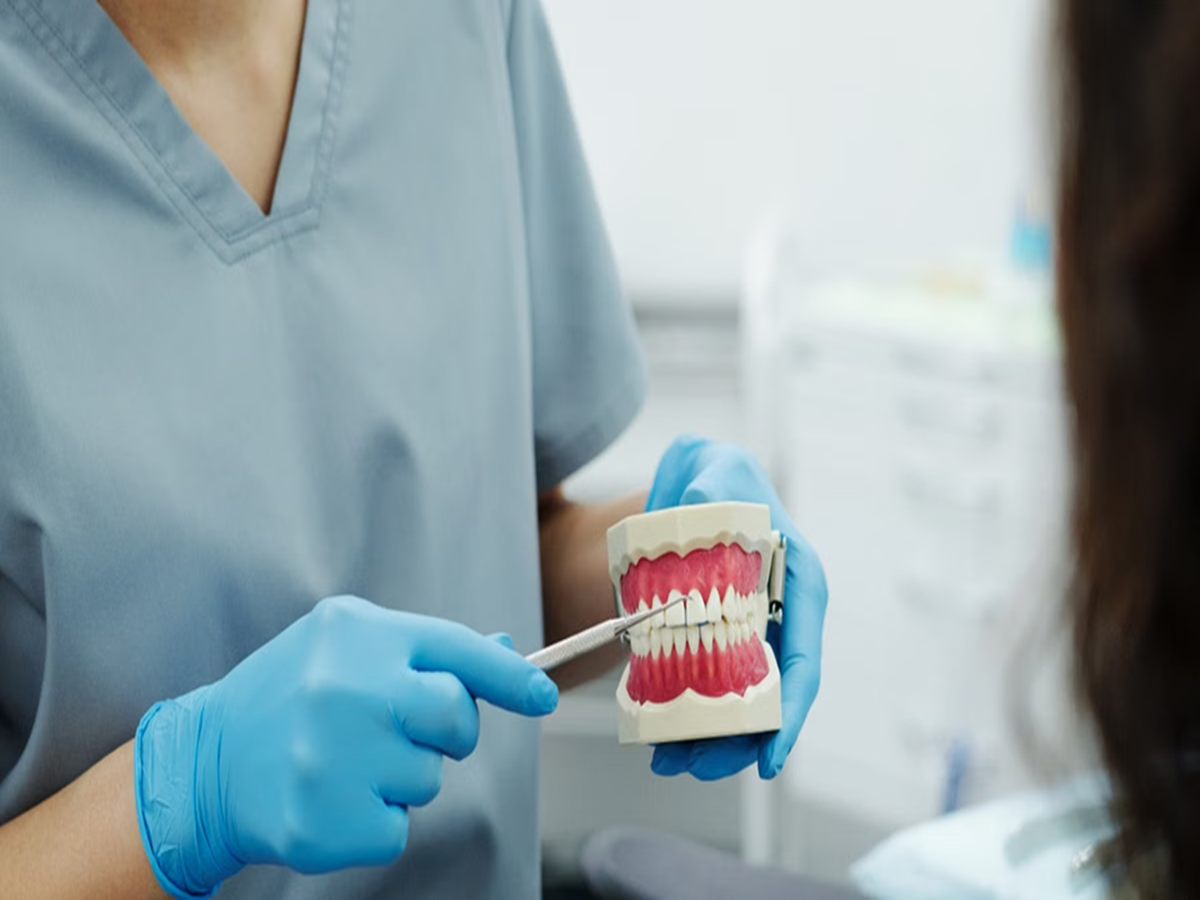
Can teeth regrow?
How Teeth Can Regrow Naturally: Until now, it has been believed that once a tooth is lost, it is lost forever. While treatment options like fillings, implants, or dentures are available, they cannot completely replace the original tooth. Now, new research is slowly changing this thinking. Scientists are trying to understand whether the body can regenerate its own teeth and the bone that holds them in place.
What did the research reveal?
Recent studies don't guarantee that teeth will start growing again tomorrow. But they have clarified one important aspect: how teeth and the surrounding bone are formed. According to research published in the National Library of Medicine, the focus is on a specific tissue at the base of the tooth, called the apical papilla. This is home to special stem cells that, upon receiving the right signals, can transform into different types of cells. CXCL12-positive cells are considered particularly important.
Can also convert into bone-forming cells
When a tooth root is forming, oxygen levels in that area decrease. This activates these cells. They then produce two essential types of cells: odontoblasts, which form dentin, the hard layer beneath the enamel, and cementoblasts, which help connect the tooth to the bone. Interestingly, these same cells can also transform into bone-forming cells under certain conditions.
teeth start forming properly
However, simply having stem cells isn't enough; they also need signals to function in the right direction. Wnt signaling plays a crucial role here. When it's active, cells begin to form teeth properly. If this process is disrupted, cells migrate in the wrong direction, affecting root development. Another signaling system, called TGF-beta, helps balance this process.
Dental follicles should also be given attention.
A tooth isn't a separate entity; the surrounding bone is equally important for its support. In another study, scientists focused on a tissue called the dental follicle. The cells here operate under the influence of a hedgehog signal. This signal must be turned on and off at the right times. If it's active for too long, bone formation is impaired. In the right balance, these cells become osteoblasts, which create new bone.
Will teeth grow back?
The question now is: will teeth regrow in the future? For now, the answer is no. This research is still in its early stages. Most results have come from experiments conducted in the lab and on animals. Large-scale human trials are still pending, and the long-term safety of these treatments remains unclear. Nevertheless, this approach offers hope. In the future, treatments may not be limited to implanting dentures, but rather, helping the body regenerate its own teeth.