NEWS
Amid the SIR controversy, the Maharashtra CEO also raised questions! Wrote an email to the EC, making this demand
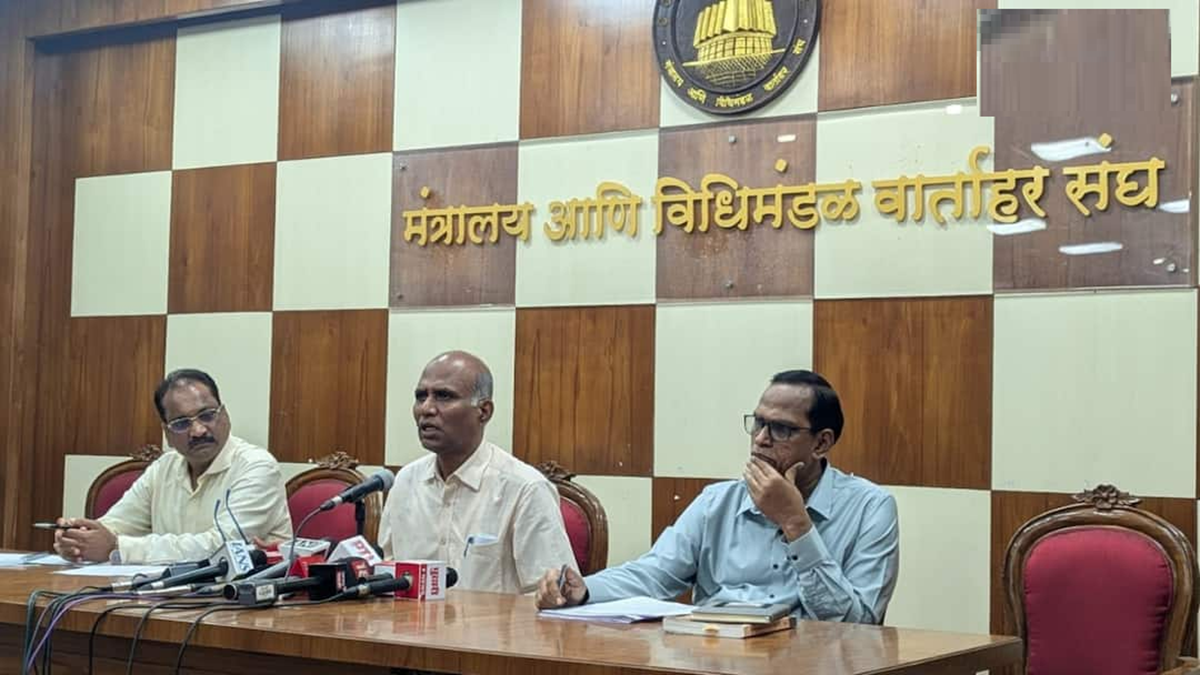
Amid the Maharashtra SIR, Maharashtra CEO S. Chokalingam has demanded changes to the ECINet software. Learn more about the ERO's powers, logical discrepancies, and the omission of 20.7 million draft voter names.
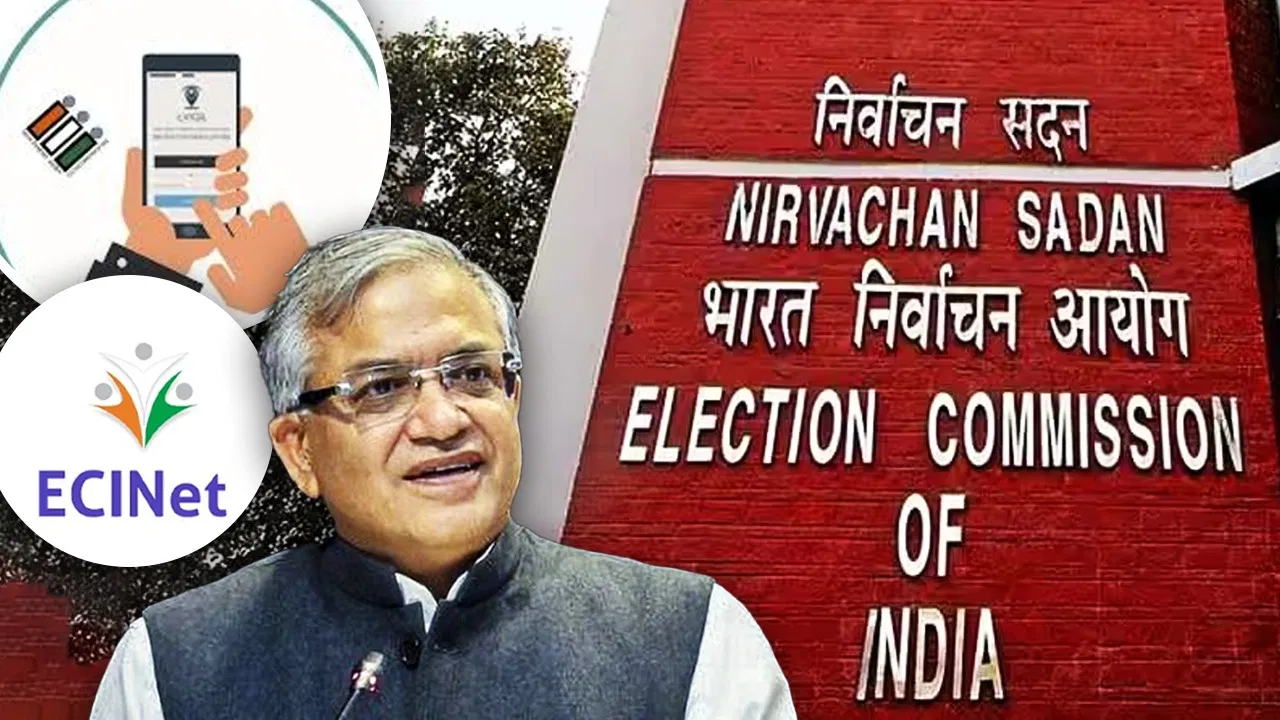
What is the demand of Maharashtra CEO?
In Maharashtra, questions are being raised about the Election Commission's software, ECINet, regarding the Special Intensive Revision (SIR) of the voter list. Maharashtra Chief Electoral Officer S. Chokalingam has written to the Election Commission demanding changes to ECINet. He argues that local election officers (EROs) should be able to exercise the powers granted to them under the law through software.
S. Chokalingam sent an email to senior Election Commission officials on September 24th, requesting greater decision-making flexibility for EROs in cases involving voters who received notices during SIRs. The Maharashtra CEO specifically asked that EROs be able to determine which cases require a personal hearing and which can be decided based on the documents submitted. He also stated that voters should be allowed to submit additional documents that are not on the Election Commission's prescribed list but prove their identity or information.
What is logical discrepancy?
Logical discrepancy during SIR does not necessarily mean that a person is not a voter. It refers to a discrepancy between a voter's current information and the information recorded in the voter list in the previous SIR. Such discrepancies could include, for example, a mismatch in the voter's name or surname, mismatched parents' names, or an unusual age difference between the voter and their parents. In some cases, the same person being mapped as the parent of multiple people could also fall into this category. In such a situation, the voter may be required to provide documentation to prove their information is correct. The Maharashtra CEO had previously stated that if the required proof is not available, the documents listed in the Commission's prescribed list or equivalent documents can be submitted.
Questions have been raised earlier about the powers of ERO.
Two Election Commissioners of the Election Commission, Sukhbir Singh Sandhu and Vivek Joshi, have previously expressed concerns about ECINet. According to a report in The Indian Express, both have raised the issue on several occasions that software and IT systems are limiting the role of ground officials.
According to the report, Sandhu stated in August that officials such as the CEO, DEO, and ERO are legally responsible for voter list work, but that centralized access to the system is hampering their work. However, the Election Commission has stated that officials have been granted access to ECINet in accordance with their legal authority. On September 26, the Commission also decided to form a committee to review ECINet.
Maharashtra's draft voter list has lost 21.1% of its names.
Following the SIR, a draft voter list was released in Maharashtra on August 31st. The number of voters dropped from approximately 97.8 million to 77.1 million. This means approximately 20.7 million names were removed from the draft list, representing approximately 21.1 percent of the total voters. However, the Election Commission has clarified that the omissions from the draft list should not be considered final voter deletions. Changes to the list are possible after receiving claims and objections. The final voter list for Maharashtra is scheduled to be released on November 16th.
What relief have the voters with notices got now?
Following a request from the Maharashtra CEO, the Election Commission has changed the process for voters who receive notices. Now, it will not be necessary to call such voters to the ERO or AERO's office for a hearing in every case. Booth Level Officers (BLOs) can visit the voter's home to collect the necessary documents and upload them to ECINet. The ERO will then investigate the matter and make a decision. Only exceptional cases will require in-person hearings.