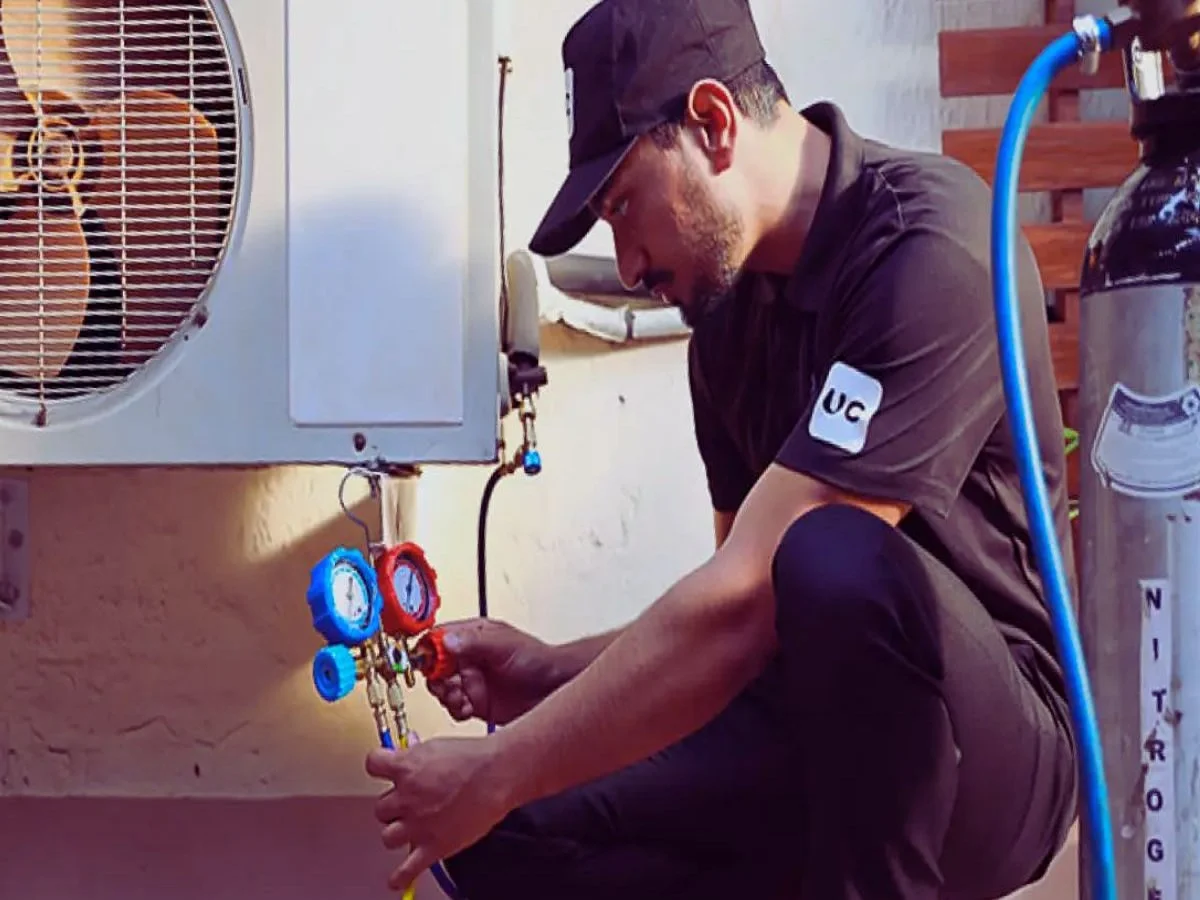
As summer heat rises, air conditioners become a necessity in most households. However, many users face a common issue every year—AC gas leakage. While calling a technician for refilling is routine, a key question often remains unanswered: How much gas does a 1.5-ton AC actually require?
Here’s a complete, easy-to-understand guide to help you know the exact details.
Gas Capacity of a 1.5 Ton AC
The amount of gas (refrigerant) required in a 1.5-ton air conditioner depends mainly on the type of refrigerant used.
👉 On average, a 1.5-ton AC needs:
- 600 grams to 1500 grams (0.6 kg to 1.5 kg) of refrigerant
Common Types of Refrigerants
1. R-32 Refrigerant (Modern ACs)
- Widely used in newer AC models
- Requires around 600–700 grams
- More energy-efficient and environmentally friendly
2. R-410A Refrigerant (Older/Some Models)
- Found in older or specific AC units
- Requires around 900–1500 grams
- Slightly higher gas requirement compared to R-32
Why Gas Quantity Varies
Even with the same 1.5-ton capacity, gas requirements may differ due to:
- AC design and internal components
- Brand and technology used
- Length of copper piping during installation
- Type of refrigerant
👉 That’s why it’s always best to check the manufacturer’s specifications before refilling.
AC Gas Refilling Cost in India
The cost of refilling AC gas depends on location and gas type.
👉 Average cost range:
- ₹2,500 to ₹4,000 for a 1.5-ton AC
Factors affecting cost:
- Type of refrigerant
- Quantity required
- Service charges by technician
Important Tips Before Refilling
- Always fix gas leakage issues first
- Use only recommended refrigerant type
- Avoid overfilling or underfilling
- Hire a certified technician
Final Takeaway
A 1.5-ton AC typically requires between 600g and 1500g of refrigerant, depending on the model and gas type. Understanding this can help you avoid overpaying and ensure your AC runs efficiently throughout the summer.
Regular maintenance and timely checks can also prevent frequent gas leakage and improve cooling performance.