NEWS
AC Cooling Tips: Should You Keep the Ceiling Fan On With the Air Conditioner? Here's What Works Best
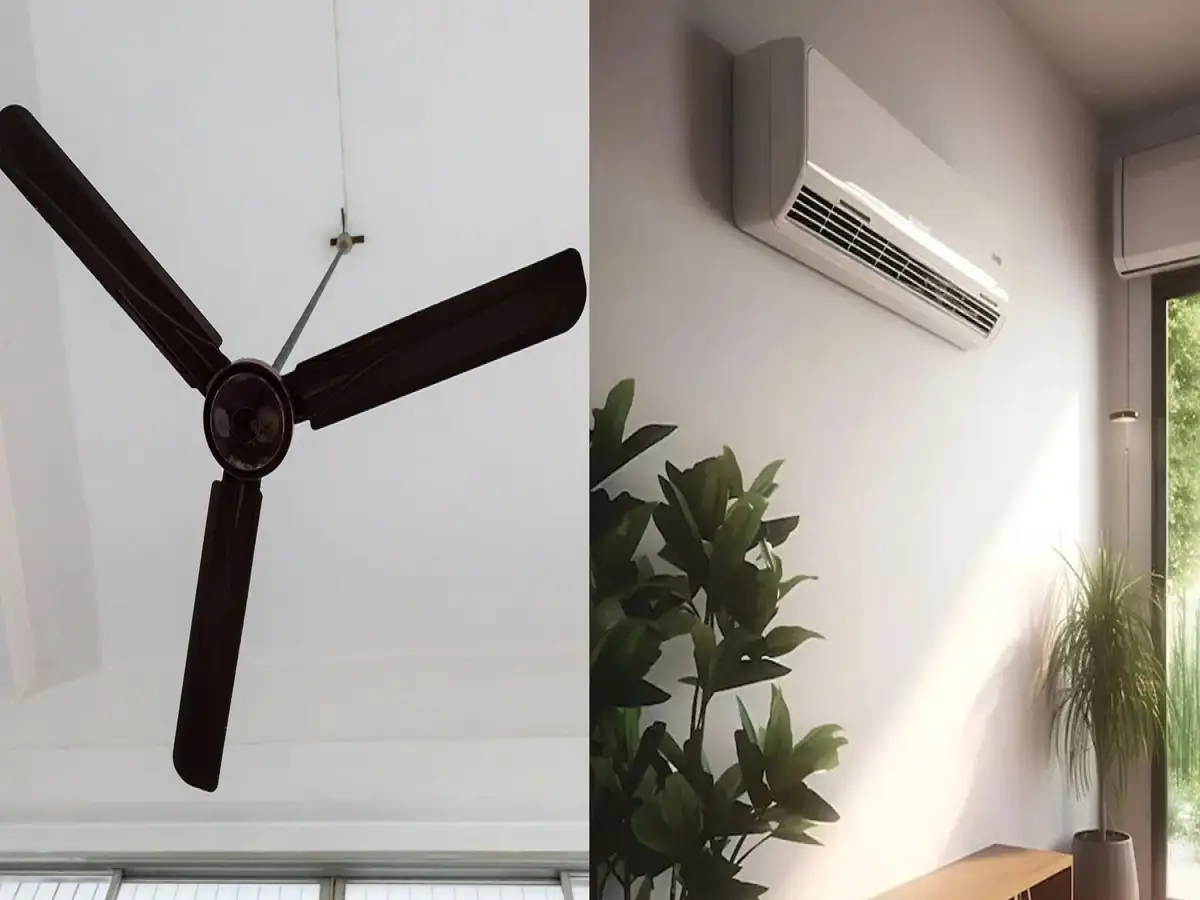
During hot and humid weather, an air conditioner can make indoor spaces much more comfortable. The need for cooling can become particularly noticeable during the monsoon season, when high humidity often leaves people feeling sweaty and uncomfortable even when temperatures are not at their peak.
One question that frequently comes up while using an AC is whether the ceiling fan should remain switched on at the same time.
Some people believe that running a fan along with an air conditioner wastes electricity. Others worry that the fan may somehow interfere with the AC's cooling. In reality, using both appliances together can improve comfort when done correctly. A ceiling fan helps circulate conditioned air around the room and can make occupants feel cooler without necessarily requiring an extremely low AC temperature setting.
Here is how the combination works and what you should keep in mind.
Should You Run a Ceiling Fan With the AC?
In most situations, yes, you can run a ceiling fan while the air conditioner is operating.
The AC cools and dehumidifies the room, while the ceiling fan primarily moves air around. The fan does not generate cold air on its own, but moving air across your skin can make you feel more comfortable.
This combination can allow you to maintain a higher AC temperature setting while still feeling cool.
However, the benefits depend on factors such as room size, fan speed, AC capacity, insulation and how many people are occupying the room.
1. Fan Helps Distribute Cooled Air Around the Room
When an air conditioner starts operating, the air near the indoor unit may cool faster than areas farther away.
A ceiling fan helps circulate this conditioned air around the room. This can reduce uneven temperature zones and make the space feel more comfortable.
Instead of one section feeling noticeably cooler while another remains warm, improved air circulation helps distribute cooling more evenly.
This can be particularly useful in larger rooms or spaces where the AC airflow does not directly reach every seating or sleeping area.
2. You May Not Need to Set the AC Extremely Low
Many users lower the thermostat substantially when they want faster or stronger cooling. However, a very low temperature setting is not always necessary for comfort.
Running the ceiling fan along with the AC can make occupants feel cooler because of increased air movement.
For many households, an AC setting around 24°C to 26°C, combined with comfortable fan airflow, may provide a good balance between cooling and electricity consumption.
The ideal setting will still depend on humidity, weather conditions, room insulation and personal comfort.
3. Can Using a Fan With AC Reduce Electricity Consumption?
It can help under the right circumstances, but there is an important distinction.
The ceiling fan itself consumes electricity, so switching it on does not directly reduce total power use. The potential saving comes from being able to operate the air conditioner at a higher thermostat setting while maintaining similar comfort.
An air conditioner typically consumes considerably more power than a ceiling fan. Therefore, if fan-assisted comfort allows you to avoid unnecessarily low AC settings, overall electricity consumption may be lower.
The actual saving will vary depending on the AC model, fan, room conditions and usage pattern.
4. Does the Fan Reduce the Load on the AC?
A ceiling fan does not directly increase an air conditioner's cooling capacity. What it does is improve the circulation of already-conditioned air and increase the cooling sensation experienced by people in the room.
This can help the room feel comfortable sooner.
As a result, users may be less likely to keep lowering the thermostat or operating the AC aggressively for long periods.
For inverter ACs, the compressor can automatically adjust its operating capacity as the room approaches the selected temperature. Good insulation, closed doors and windows, clean filters and an appropriate thermostat setting can all contribute to efficient operation.
5. Don't Automatically Use the Fan at Maximum Speed
You do not always need to run the ceiling fan at its highest setting while using the AC.
Low to medium fan speed is often sufficient to circulate conditioned air while maintaining comfortable airflow.
Very high speed may create excessive air movement for some users and can also stir up settled dust in the room.
Dust circulating in the air can eventually accumulate on AC filters, particularly if the filters are not cleaned regularly.
The right fan speed is therefore the one that provides comfortable circulation without creating unnecessary disturbance.
6. Keep Doors and Windows Closed
Running an AC with doors or windows continuously open can significantly reduce cooling efficiency.
Warm and humid outdoor air entering the room forces the air conditioner to deal with additional heat and moisture. This can increase the amount of work required to maintain the selected indoor conditions.
Before switching on the AC, make sure windows and exterior doors are properly closed.
Gaps around doors and windows can also allow conditioned air to escape, so improving basic room sealing may help with cooling efficiency.
7. Clean the AC Filter Regularly
Good airflow is essential for effective air-conditioning performance.
Over time, dust can accumulate on the indoor unit's air filter. A heavily clogged filter can restrict airflow and reduce the system's ability to operate effectively.
Cleaning the filters according to the manufacturer's recommendations can help maintain proper airflow and cooling performance.
The ceiling fan should also be cleaned periodically because dust accumulated on its blades can spread around the room when the fan is switched on.
8. Fan Direction Can Also Matter
The purpose of running the ceiling fan during cooling is to create comfortable air movement around occupants and improve circulation within the room.
Make sure the fan is operating in the appropriate direction for cooling according to its design. Some modern ceiling fans offer reversible operation for seasonal use.
If your fan has such a feature, check the manufacturer's instructions to ensure it is set correctly for summer or cooling conditions.
Best Way to Use AC and Ceiling Fan Together
For comfortable and potentially more energy-efficient cooling, avoid treating the AC and fan as competing appliances.
Set the air conditioner to a reasonable temperature, such as around 24°C to 26°C, and use the ceiling fan at a low or medium speed according to your comfort. Keep doors and windows closed, clean the AC filter periodically and minimise unnecessary heat entering the room.
Most importantly, remember that a fan primarily cools people rather than the room itself. If nobody is in the room, leaving the ceiling fan running generally provides little benefit.
Used properly, an AC and ceiling fan can complement each other, helping distribute cooled air more effectively and allowing you to stay comfortable without automatically setting the air conditioner to an excessively low temperature.