LIFESTYLE
A heart attack can happen even without any chest pain, know how dangerous are the atypical symptoms?
In some cases of a heart attack, we feel pain first, due to which we come to know about it. Let us tell you about a heart attack in which there is no pain in the chest.
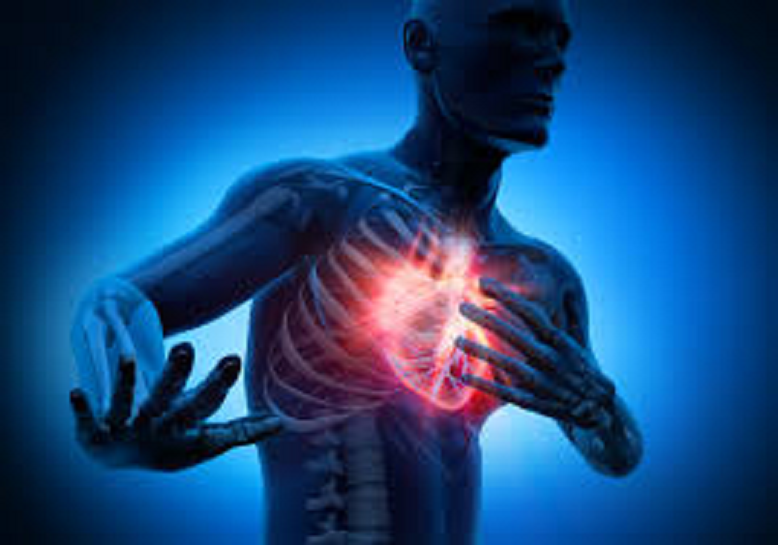
We often think that heart attacks are always accompanied by sharp pain, heaviness in the chest, and shortness of breath. These are the classic symptoms of a heart attack. But did you know that not every heart attack shows these symptoms? Heart attacks that do not have typical symptoms are called "silent heart attacks". These do not cause significant chest pain, but they are just as dangerous because they are often confused with other diseases and are not treated on time.
One example is silent myocardial ischemia, in which there is insufficient oxygen-rich blood to the heart. There is no pain or other symptoms, but diagnostic tools such as an ECG or echocardiogram may be abnormal.
what do doctors say
Dr. Sunil Wadhwa, Associate Director, Cardiology, Max Hospital, Gurugram says that the number of sudden cardiac events is increasing and this is a matter of concern for public health. This means that it is very important to increase awareness and improve screening and treatment, especially in the at-risk population.
5 things to keep in mind
- Heart attack can happen while sleeping or while waking up.
- Silent ischemia is a strong predictor of mortality; approximately 70–80 percent of events are asymptomatic.
- Due to absence of pain, patients do not seek medical help on time, which increases morbidity and mortality.
- Women, the elderly, patients with diabetes mellitus and those who have previously had a heart attack or re-treatment are more prone.
- Evidence of silent myocardial ischemia is found in 15 to 30 percent of patients, and 30 to 40 percent of patients with unstable angina have a prior myocardial infarction.
Symptoms of silent heart attack (flu-like)
- Chest or upper back pain
- pain in the jaw, arm, or upper back
- Indigestion
- Shortness of breath
- dizziness, lightheadedness
- Discomfort in the upper body
- cold sweat
- Nausea and vomiting
- Unexplained fatigue for several days
Reason
The main cause of silent heart attacks is the rupture of lipid-rich plaque and formation of clots in the coronary arteries. Other risk factors include:
- Overweight (body mass index 25 plus)
- Unhealthy Lifestyle
- Diabetes mellitus, high blood pressure, high cholesterol
- high intake of processed foods
- Chronic anxiety, depression
- Tobacco use (cigarettes, vaping)
- preeclampsia in pregnancy
- Infections: UTI, pneumonia
- Coronary vasospasm, vasculitis, injury, drugs such as cocaine
- Severe Anemia
- Obstructive Sleep Apnea
Clinical Presentation
- Type I: asymptomatic, no prior myocardial infarction
- Type II: asymptomatic, previously symptomatic myocardial ischemia
- Type III: known, symptomatic or asymptomatic coronary artery disease
Diagnostic Tests
ECG, stress test and blood tests can help identify silent heart attacks. If you are at risk or experience the symptoms mentioned above, it is important to get evaluated by a doctor immediately.