LIFESTYLE
6 essential hacks to know before applying retinol this winter, or else your skin problems could worsen.

People often get overly excited about retinol and start using it more than once a day, which is the biggest mistake dermatologists say.
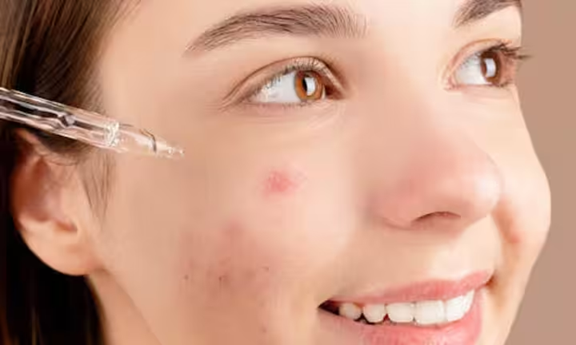
Winter is challenging for the skin. Cold air and low humidity can make the skin dry, sensitive, and flaky. Incorporating active ingredients like retinol into your skincare routine can be both beneficial and harmful. Retinol is known for its anti-aging and skin renewal properties, but if used incorrectly, it can increase irritation and dryness. So, let's tell you six important hacks to know before applying retinol in the winter, as this could worsen your skin problems.
1 /6
People often get overly excited about retinol and start using it more than once a day. Dermatologists say this is the biggest mistake. Dermatologists recommend starting with retinol slowly. Encapsulated retinol is best for beginners, as it's more gentle and less irritating. They recommend using retinol every third day and gradually increasing the frequency as your skin adjusts.
2 /6
Additionally, moisturizing is crucial when using retinol. Dermatologists recommend choosing moisturizers that contain soothing ingredients like cocoa butter or coenzyme Q10. These compounds strengthen the skin barrier and help reduce irritation caused by retinol.
3 /6
Furthermore, experts point out that retinol can make skin more sensitive. Therefore, sunscreen cannot be neglected. Experts recommend using a brand-new sunscreen with at least SPF 50 and PA+++ to protect the skin barrier.
4 /6
Retinol, on the other hand, works even better if it's accompanied by skin-soothing compounds. Dermatologists recommend choosing retinol formulas that contain ingredients like niacinamide or vitamin A. These strengthen the skin barrier and reduce irritation.
5 /6
Retinol is already a potent ingredient, so using too many actives at once can be dangerous. Experts also advise against using retinol with AHAs, BHAs, or physical scrubs at the same time. This can increase redness, peeling, and sensitivity.
6 /6
Dermatologists also point out that it's important to stay hydrated. They explain that drinking enough water strengthens the skin barrier and reduces irritation caused by retinol.