LIFESTYLE
Toothbrush Cleaning Tips: How long has it been since you last replaced your toothbrush? How long does it take to wear out?
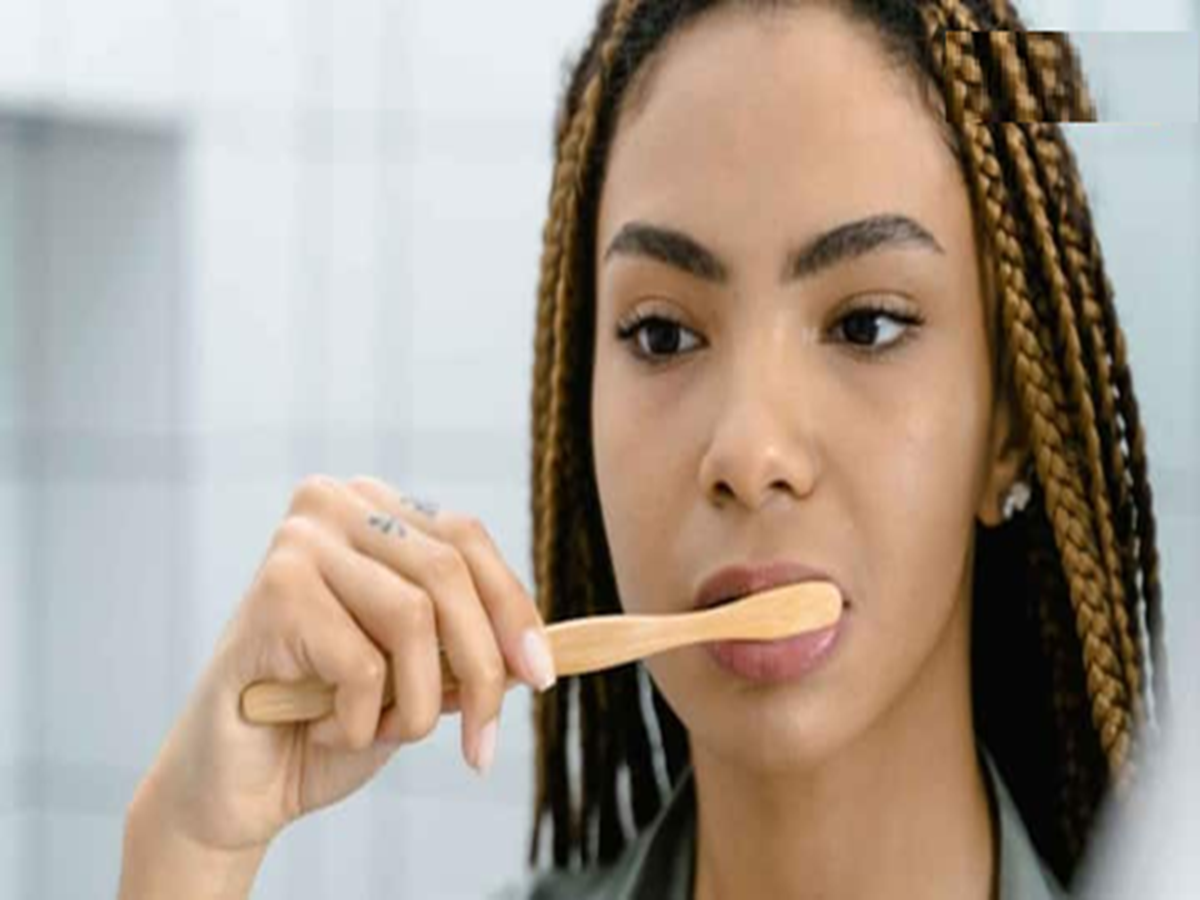
Toothbrush Cleaning Tips: Toothbrushes are now used in almost every household. However, most people don't pay attention to the toothbrush they use to brush their teeth daily.

Brushing your teeth is the first thing most people do in the morning. It's a crucial part of our daily routine. Previously, people used neem or acacia sticks, but now almost every household uses a toothbrush. However, most people don't pay attention to when to replace the toothbrush they use daily. Many people continue to use the same brush until its bristles are completely worn out. But did you know that not replacing your toothbrush on time can increase the risk of dental problems and various infections? So, let us tell you today how long it takes for a toothbrush to wear out.
1 /6
According to health experts, toothbrushes should be replaced every 12 to 16 weeks, or approximately every 3 to 4 months. No matter how expensive or high-quality a brush is, its bristles begin to lose their cleaning ability after a certain period of time. If the bristles become frayed or bent before then, they should be replaced immediately, rather than waiting for three months.
2 /6
Our mouths are filled with millions of bacteria and microorganisms at all times. Brushing removes these bacteria and food particles, but as a toothbrush ages, its bristles weaken and can no longer clean teeth properly. This leads to the accumulation of debris between teeth, which can lead to rapid bacterial growth and an increased risk of infection.
3 /6
Doctors believe that using a brush that is too hard can damage the gums. A brush that is too soft is also not suitable for everyone. Experts generally recommend using a toothbrush with soft bristles. This cleans the teeth thoroughly and does not harm the gums. If you experience pain or irritation in the gums while brushing, you should replace it immediately.
4 /6
If you have a viral, flu, strep throat, or any other bacterial infection, you should replace your toothbrush after recovery. Furthermore, if any household member is infected, others should also take precautions. This can reduce the risk of reinfection. Children require even greater caution; their toothbrushes may need to be replaced every 3 months.
5 /6
Simply replacing your brush isn't enough; proper care is also essential. Rinse your brush thoroughly with water after use. Store it in a dry, open place. Clean it with warm water once a week. Regularly wash the stand you store your brush in. Avoid storing multiple wet brushes in a single cover.
6 /6
Using an old toothbrush can increase plaque and cavities. It can also lead to problems like swollen gums, bleeding gums, and bad breath. Experts say that the effects of poor oral health aren't limited to the mouth. Oral bacteria can spread to other parts of the body, increasing the risk of serious health problems.