
NEWS
Supreme Court Sets Strict Timelines for High Courts, Pushes for Faster Decisions in Bail and Liberty Cases
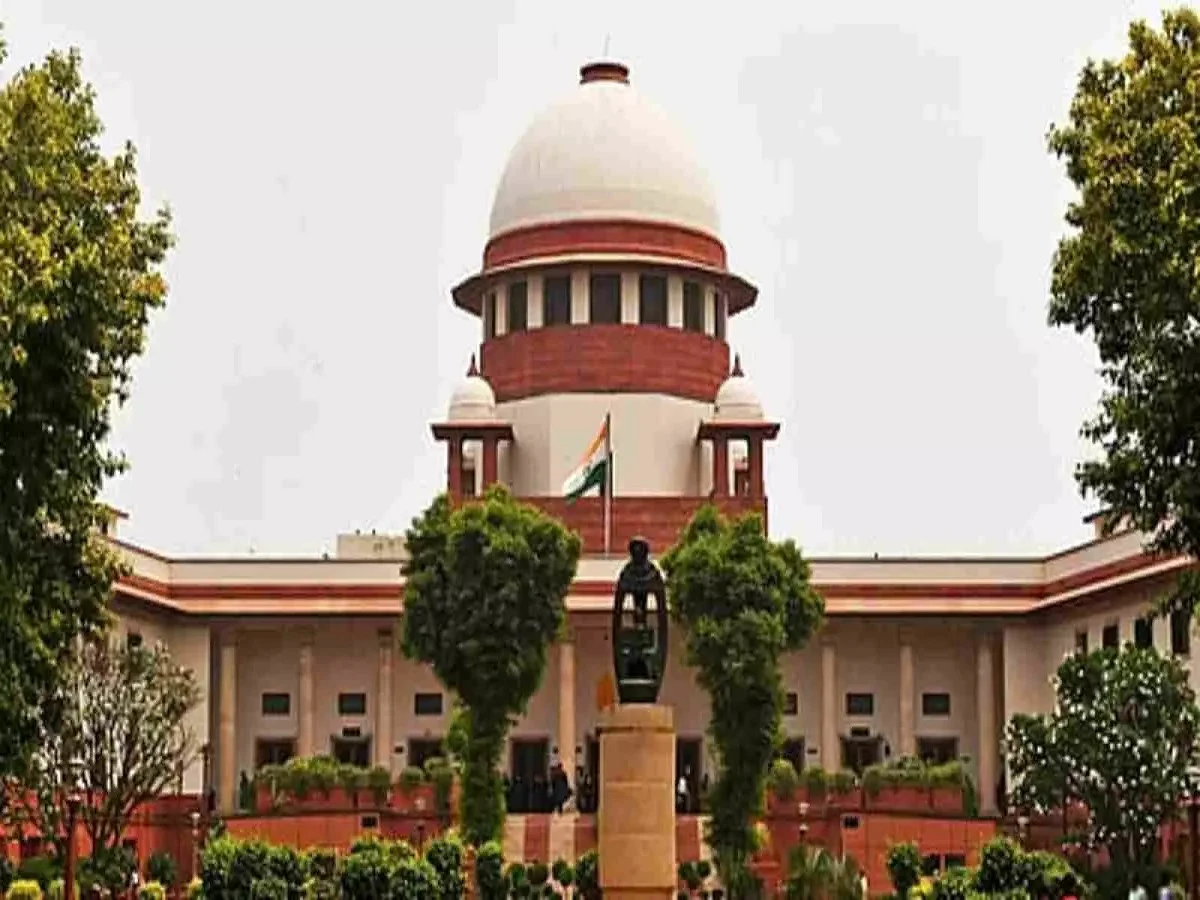
In a significant move aimed at reducing judicial delays and strengthening the delivery of justice, the Supreme Court of India has issued a comprehensive set of guidelines to all High Courts across the country. The directions focus on speeding up the disposal of reserved judgments, especially in cases involving bail, personal liberty, and criminal appeals.
The top court observed that prolonged delays in deciding such matters can directly affect an individual's fundamental right to personal liberty. As a result, it has emphasized that courts must handle these cases with urgency and ensure that justice is not delayed because of procedural bottlenecks.
The new directions are expected to bring greater accountability and consistency in the handling of pending judgments and bail-related matters across the judicial system.
Reserved Judgments Should Be Delivered Within Three Months
One of the most important directives issued by the Supreme Court relates to judgments that are reserved after the conclusion of hearings.
According to the guidelines, once a High Court completes the hearing of a case and reserves its verdict, every effort should be made to pronounce the detailed judgment within a maximum period of three months.
The court noted that unnecessary delays after hearings are completed create uncertainty for litigants and can adversely impact the administration of justice. By prescribing a clear timeline, the Supreme Court aims to ensure that cases do not remain pending indefinitely after arguments have concluded.
Particular emphasis has been placed on matters involving bail and personal freedom, where delays can result in individuals remaining behind bars for extended periods despite having completed the legal process required for a decision.
Bail Orders Must Be Issued and Uploaded Without Delay
The Supreme Court has also introduced strict instructions regarding the handling of bail orders.
Under the new guidelines:
- Bail orders should be pronounced immediately after the hearing is completed.
- The order should be uploaded to the court's official website on the same day.
- If the order has been reserved, it should be pronounced and uploaded no later than the following day.
- Orders granting bail, suspending sentences, or acquitting prisoners must be communicated to jail authorities and trial courts without delay.
The court stressed that once bail has been granted and all legal conditions have been fulfilled, the release process should not be unnecessarily delayed.
Faster Release of Eligible Prisoners
The Supreme Court further clarified that a person granted bail should ordinarily be released on the same day. In situations where immediate release is not possible due to administrative reasons, the process should be completed no later than the next day.
This requirement applies provided there are no other legal barriers to release and all bail conditions have been satisfied.
The court observed that delays in transmitting orders and completing formalities often defeat the purpose of granting bail. Therefore, all authorities involved must act promptly once a release order is issued.
Trial Courts Must Submit Compliance Reports
To ensure accountability, the Supreme Court has directed trial courts to submit compliance reports confirming that release orders have been implemented.
These reports will help verify whether prisoners who receive bail or other relief are actually released within the prescribed time frame.
The move is intended to reduce administrative delays and ensure that judicial orders are executed efficiently.
Clarifications Should Be Sought Within Seven Days
The guidelines also address situations where judges require additional clarification after reserving a judgment.
In criminal appeals filed by prisoners and in death penalty matters:
- Any clarification required by the bench should be sought within seven days.
- The process of seeking clarifications should not continue beyond one month under any circumstances.
The Supreme Court stated that this measure is necessary to prevent prolonged delays in the final delivery of judgments.
Courts Can Pronounce the Operative Part First
Recognizing that drafting detailed judgments can sometimes take longer, the Supreme Court has permitted courts to pronounce the operative portion of a judgment before the complete written order is finalized.
This flexibility may be used in cases where delaying the outcome could cause serious hardship to litigants, prisoners, or other affected parties.
Under this approach, the court can announce the final decision first while providing detailed reasoning in a subsequent written judgment.
A Major Step Toward Timely Justice
Legal experts believe the new guidelines could play an important role in reducing delays that have long been a concern within India's judicial system.
By introducing timelines for reserved judgments, speeding up bail procedures, ensuring prompt communication of orders, and requiring compliance monitoring, the Supreme Court has signaled a strong commitment to protecting personal liberty and improving judicial efficiency.
If implemented effectively, these directions could significantly reduce waiting periods for litigants and help strengthen public confidence in the justice delivery system across the country.