
NEWS
India-US Trade Talks Enter Key Phase as American Delegation Arrives for High-Level Negotiations
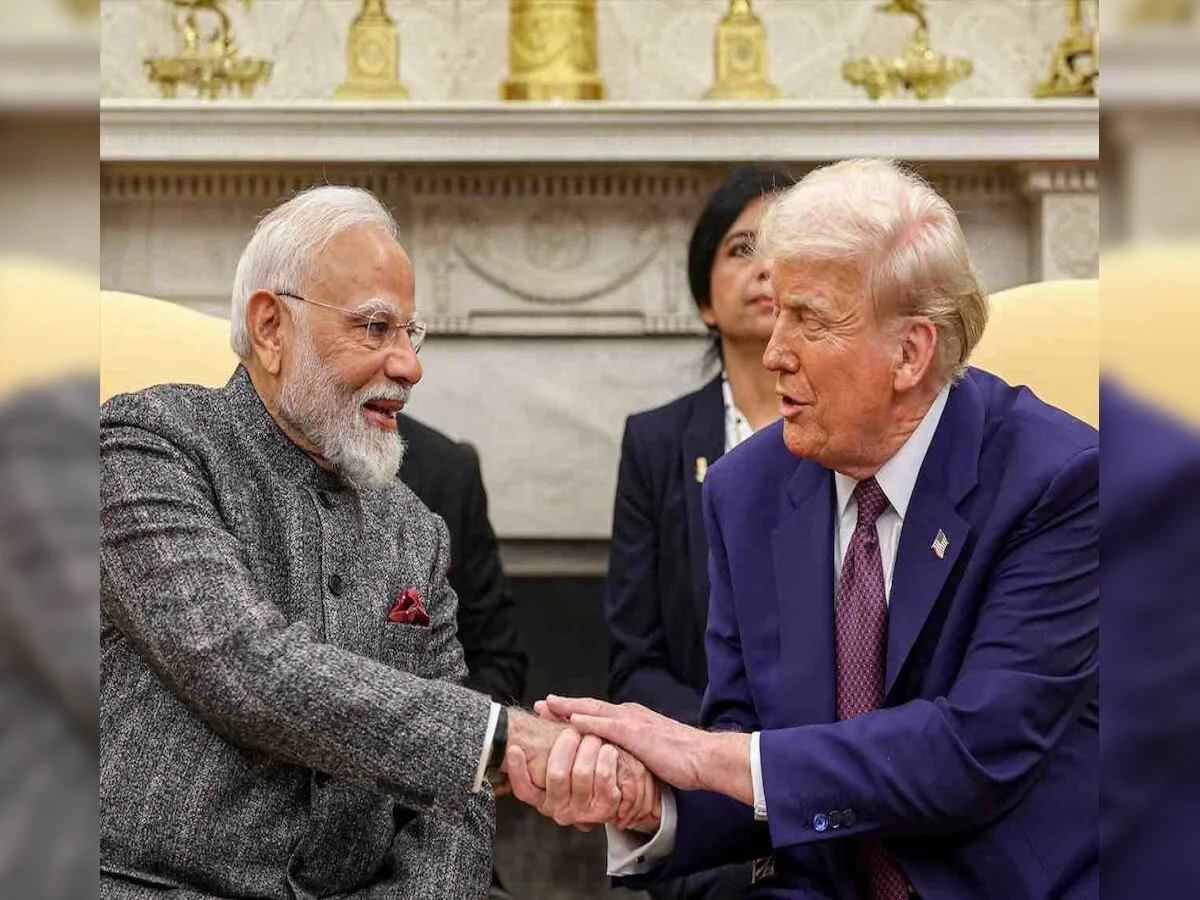
India and the United States are set to begin a crucial round of trade negotiations that could significantly influence economic relations between the two countries. Senior officials from both sides will engage in four days of discussions from June 1 to June 4, with the objective of resolving outstanding issues and advancing a long-awaited bilateral trade agreement.
The upcoming meetings are being viewed as an important step toward strengthening one of the world's most significant strategic and economic partnerships. Policymakers and businesses in both nations are closely monitoring the talks, which could pave the way for expanded market access, increased investment opportunities, and smoother trade flows.
Senior Officials to Lead the Negotiations
The US delegation will be headed by chief negotiator Brendan Lynch, while India's discussions will be led by Darpan Jain, Additional Secretary in the Department of Commerce.
Officials are expected to focus on narrowing differences in several key areas and moving closer to a framework that benefits businesses and consumers in both countries. The talks are also expected to address concerns that have remained unresolved during previous rounds of discussions.
Key Topics Expected to Dominate the Agenda
According to trade officials, the negotiations will cover a broad range of issues under the proposed Bilateral Trade Agreement (BTA).
Major areas likely to be discussed include:
- Improved market access for goods and services
- Reduction of non-tariff trade barriers
- Simplification of customs procedures
- Trade facilitation measures
- Expansion of investment opportunities
- Strengthening supply chain resilience
- Economic security cooperation
- Measures to boost bilateral commercial engagement
The broader goal is to create a more predictable and business-friendly environment that encourages trade and investment between the two economies.
Background of the Proposed Trade Agreement
The current round of discussions follows earlier efforts by both countries to establish a roadmap for deeper economic cooperation.
Earlier this year, India and the United States announced progress toward a framework that would serve as the foundation for a phased trade agreement. That understanding laid the groundwork for the negotiations now taking place.
Trade experts believe the June discussions could help convert broad policy commitments into a more detailed and actionable agreement. If successful, the negotiations may establish clearer rules and frameworks for future economic cooperation.
Tariff Reductions Remain a Key Issue
One of the most closely watched aspects of the negotiations is the issue of tariffs.
Both sides are expected to explore ways to reduce trade-related costs and improve market access for exporters. Lower tariff barriers could make products from each country more competitive in the other's market, potentially benefiting manufacturers, exporters, and consumers alike.
Indian exporters, particularly those operating in sectors such as engineering goods, textiles, pharmaceuticals, chemicals, and technology-related industries, are watching the talks carefully for any developments that could improve access to the US market.
Similarly, American companies are seeking broader opportunities in India's rapidly growing economy.
Recent US Trade Policy Developments Add Significance
The negotiations are taking place against the backdrop of several recent developments in US trade policy.
Changes in tariff-related measures and ongoing debates regarding international trade regulations have increased the importance of securing stable and predictable trade arrangements between major economic partners.
Analysts believe that evolving global trade conditions, geopolitical uncertainties, and efforts to diversify supply chains have made closer economic cooperation between India and the United States more valuable than ever before.
As global businesses reassess manufacturing and sourcing strategies, both countries are looking for opportunities to strengthen their position within international supply chains.
Potential Benefits for Both Economies
If the discussions produce meaningful progress, the agreement could generate benefits across multiple sectors.
Potential outcomes include:
- Greater access to foreign markets
- Increased bilateral trade volumes
- Higher investment flows
- Stronger supply chain partnerships
- Improved business confidence
- Enhanced cooperation in strategic industries
- Expansion of employment opportunities linked to trade growth
Business organizations on both sides have consistently advocated for measures that reduce regulatory hurdles and make cross-border trade more efficient.
What to Expect in the Coming Days
The four-day negotiation period is expected to play a significant role in shaping the future direction of India-US economic relations. While reaching a comprehensive agreement may still require additional discussions, progress during this round could bring both countries closer to a landmark trade deal.
With trade, investment, technology cooperation, and supply chain security becoming increasingly important in the global economy, the outcome of these talks will be closely watched by governments, industries, and investors worldwide.
A successful conclusion could mark another major step in strengthening economic ties between two of the world's most influential democracies and fastest-growing strategic partners.