
Business
Rooftop Solar Panel Guide 2026: 6 Important Checks Before Installation to Save Money on Electricity Bills
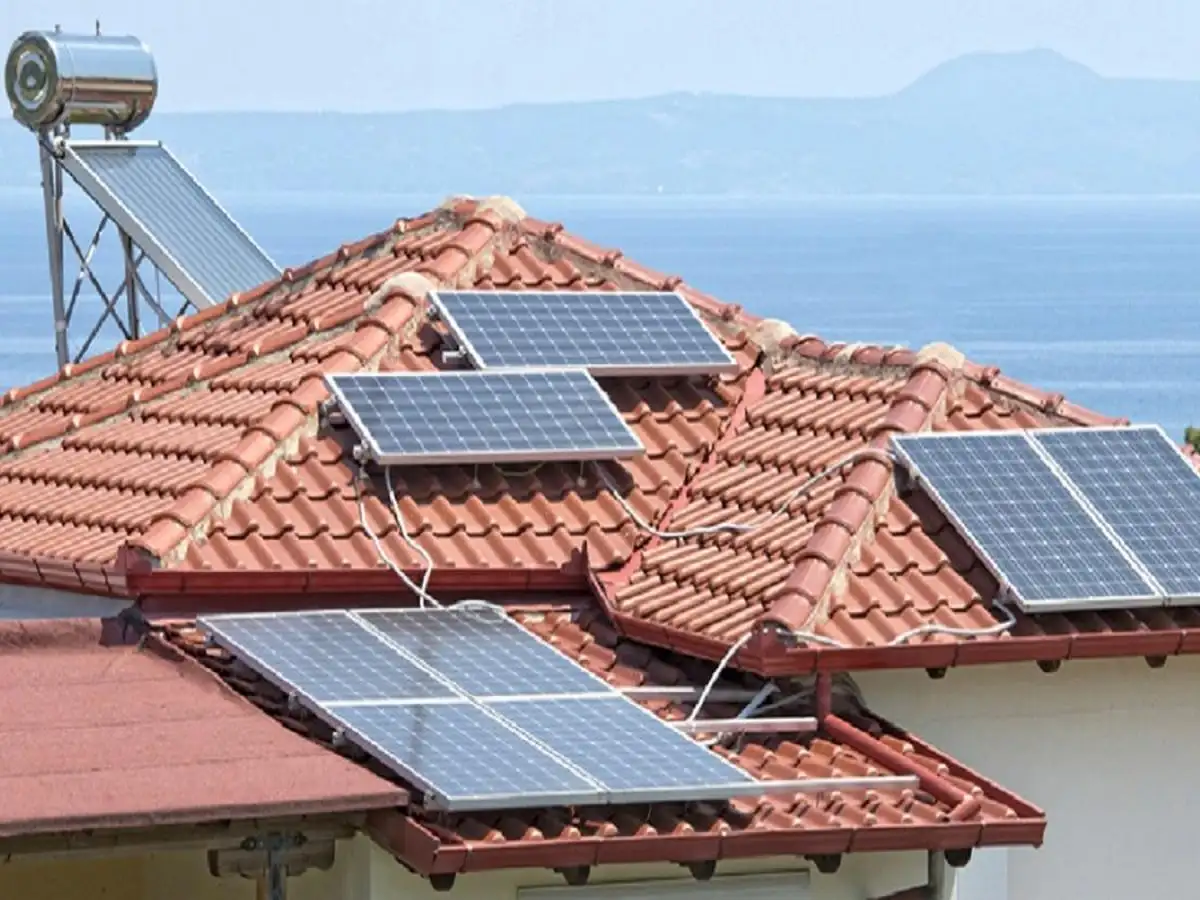
Solar Panel Installation Tips 2026: Rising household electricity expenses have encouraged many Indian families to explore alternative energy solutions. Rooftop solar power has emerged as a practical option for homeowners looking to reduce their dependence on conventional electricity and manage their monthly energy bills.
Installing solar panels can help households generate electricity from sunlight while supporting cleaner energy consumption. Government initiatives, including the PM Surya Ghar: Muft Bijli Yojana, have also made rooftop solar installations more attractive by offering financial assistance to eligible residential consumers.
However, purchasing solar panels without proper planning can lead to unnecessary expenses, lower electricity generation and long-term maintenance problems.
Before investing in a rooftop solar system, homeowners should examine several important factors, including sunlight availability, electricity consumption, government subsidy requirements, equipment quality and roof safety.
Here are six essential checks that can help consumers make a better decision.
1. Check Whether Your Rooftop Receives Enough Sunlight
The amount of sunlight reaching solar panels directly affects how much electricity they can generate.
A rooftop that receives unobstructed sunlight for most of the day is generally more suitable for solar power generation than one surrounded by tall buildings or trees.
Before installation, homeowners should examine whether nearby structures create shadows over the proposed panel location.
Even partial shading can reduce electricity generation, particularly when it affects multiple panels connected within the same system.
The direction and tilt of the panels are also important.
In India, south-facing panels are often preferred for maximising annual sunlight exposure, although the ideal arrangement depends on the building's location, roof design and surrounding conditions.
A professional solar installer can assess these factors and recommend a suitable panel layout.
Important tip: Avoid selecting a rooftop location simply because it has enough physical space. Sunlight exposure throughout the year is equally important.
2. Calculate Your Household's Electricity Consumption
Choosing the correct solar system capacity is one of the most important steps before installation.
Homeowners should review their electricity bills from the previous six to twelve months to understand their average energy consumption.
Electricity usage may change considerably between seasons.
For example, households using air conditioners during summer may consume substantially more electricity than during winter.
Similarly, refrigerators, washing machines, water pumps, electric geysers and other appliances contribute to overall consumption.
A household's solar system should be selected according to its energy requirements, available roof space and applicable electricity connection limits.
Why Choosing the Right Solar Capacity Matters
An undersized solar installation may generate less electricity than the household requires, resulting in continued dependence on grid electricity.
On the other hand, installing a system much larger than necessary can increase the initial investment without providing proportionate financial benefits.
Consumers should also understand that actual solar generation varies with weather conditions, panel orientation, system efficiency and seasonal sunlight availability.
A qualified installer can provide a generation estimate based on the proposed system's capacity and location.
3. Understand Government Subsidies Under PM Surya Ghar Yojana
The central government's PM Surya Ghar: Muft Bijli Yojana is designed to encourage eligible households to adopt rooftop solar power.
Under the scheme, qualifying residential consumers can receive financial assistance for approved rooftop solar installations, subject to the applicable guidelines.
The subsidy amount depends on the system capacity and the scheme's prevailing conditions.
Before beginning the installation process, applicants should verify the latest eligibility criteria and subsidy structure.
How to Apply for Rooftop Solar Subsidy
Consumers can begin by visiting the official PM Surya Ghar portal at https://pmsuryaghar.gov.in.
The application process generally involves registering with the required consumer details, selecting the relevant electricity distribution company and following the prescribed approval procedure.
Applicants should choose a vendor registered under the applicable programme requirements.
After installation, the system may need inspection, metering arrangements and approval from the relevant electricity distribution company.
Eligible applicants can receive the applicable subsidy after completing the required formalities.
Understand Net Metering Before Installation
Net metering or another approved billing arrangement determines how electricity generated by rooftop solar is accounted for.
Depending on state regulations, eligible consumers may receive credit for surplus electricity exported to the grid.
However, billing rules, eligibility and settlement procedures vary across electricity distribution companies and states.
Consumers should clarify these details before signing an installation agreement.
4. Compare Solar Panel Quality, Warranty and After-Sales Support
Solar power equipment is a long-term investment, making product quality an important consideration.
Homeowners should compare solar panels from established manufacturers and examine the technical specifications before making a purchase.
Panel efficiency, applicable certifications, expected performance and warranty coverage can influence the long-term value of the system.
Check These Details Before Buying
Panel warranty: Understand the manufacturer's product warranty and the conditions under which defects are covered.
Performance warranty: Check the manufacturer's stated long-term power output guarantee.
Inverter warranty: The inverter is a critical component that converts electricity generated by solar panels into usable power.
Installation quality: Proper mounting structures, wiring, earthing and electrical protection are essential for safe operation.
Local service availability: Confirm whether the installer or manufacturer provides reliable support in your area.
A cheaper installation quotation may not always represent the best value if it includes lower-quality equipment or limited service support.
Homeowners should request a detailed written quotation covering equipment, installation, applicable taxes, warranties and any additional charges.
5. Plan for Cleaning and Regular Maintenance
Rooftop solar systems generally require relatively limited routine maintenance compared with many other power-generation technologies.
However, regular inspection and cleaning can help maintain electricity output.
Dust, bird droppings, fallen leaves and other deposits may reduce the amount of sunlight reaching the panels.
This can be particularly relevant in areas where dust accumulation is common.
Simple Solar Maintenance Precautions
Solar panels should be cleaned according to the manufacturer's recommendations and local environmental conditions.
Homeowners should avoid using abrasive materials or inappropriate cleaning chemicals that could damage the panel surface.
Cleaning should be performed safely, preferably when panels are cool, and without taking unnecessary risks on elevated rooftops.
Electrical wiring, connectors and inverter performance should be inspected by qualified personnel.
If electricity generation suddenly declines, homeowners should contact an authorised technician rather than attempt unsafe electrical repairs themselves.
Monitoring the system's electricity generation through its inverter display or supported mobile application can also help identify performance problems.
6. Make Sure Your Roof Can Safely Support Solar Panels
The structural condition of the rooftop is another essential factor that should never be ignored.
Solar panels, mounting frames and associated equipment add weight to the building.
The roof must be capable of safely supporting these loads along with relevant wind and weather-related forces.
Homeowners should pay particular attention to older buildings, damaged roofs and structures showing signs of cracks or water leakage.
Before installation, a qualified structural professional should assess the building where necessary.
Why Roof Waterproofing Also Matters
Poorly planned mounting work can damage roof waterproofing and create leakage problems during the rainy season.
Installers should use appropriate mounting methods and ensure that any roof penetrations are properly sealed.
Homeowners should also leave adequate access for future maintenance and repairs.
Taking these precautions can help prevent expensive structural problems after installation.
How Much Can Rooftop Solar Reduce Your Electricity Bill?
The financial benefits of rooftop solar depend on several factors, including installation capacity, local sunlight conditions, household electricity consumption, applicable tariffs and the electricity distribution company's billing rules.
Government subsidies can reduce the initial investment for eligible households.
However, solar panels do not automatically guarantee a zero electricity bill.
Consumers may still have to pay fixed charges, minimum charges or other applicable amounts depending on their electricity connection and billing arrangement.
A realistic estimate of installation costs, expected electricity generation and long-term savings should be obtained before making a purchase.
Final Takeaway: Proper Planning Makes Rooftop Solar a Better Investment
Rooftop solar panels can offer long-term financial and environmental benefits, but their performance depends heavily on proper planning and installation.
Before investing, homeowners should assess sunlight availability, calculate electricity requirements, verify government subsidy conditions, compare equipment warranties, understand maintenance needs and confirm the structural safety of their roofs.
Choosing the right system capacity and a qualified installer can help avoid unnecessary expenses while improving the reliability and long-term performance of a rooftop solar installation.
Consumers interested in government assistance should use the official PM Surya Ghar portal and follow the latest guidelines issued by the relevant authorities.
Source: Adapted from information published by Journal India on November 2, 2026. Government subsidy eligibility, installation procedures and electricity billing arrangements should be verified through official sources before applying.