LIFESTYLE
Obesity Hypoventilation Syndrome: Can obesity be fatal? A 160-kg woman struggled to breathe, and doctors rescued her.
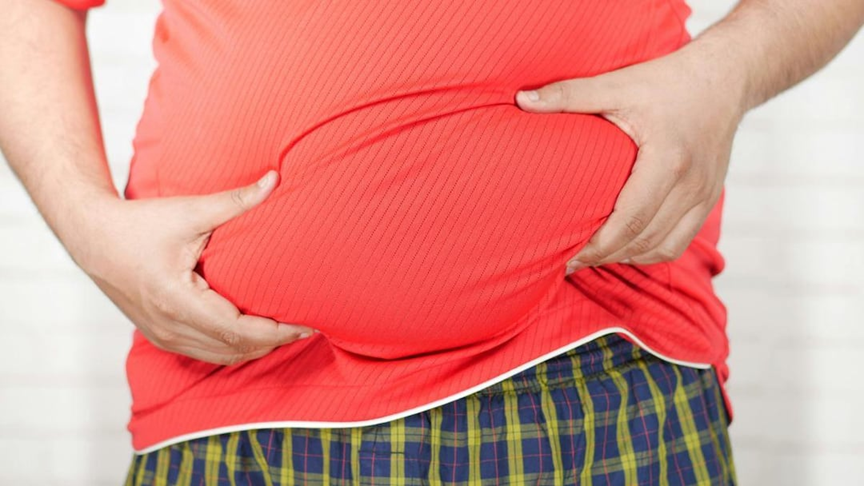
Severe Obesity Health Risk: A team of doctors at CK Birla Hospital in Gurugram saved the life of a 75-year-old woman in a very difficult and risky case and discharged her safely.
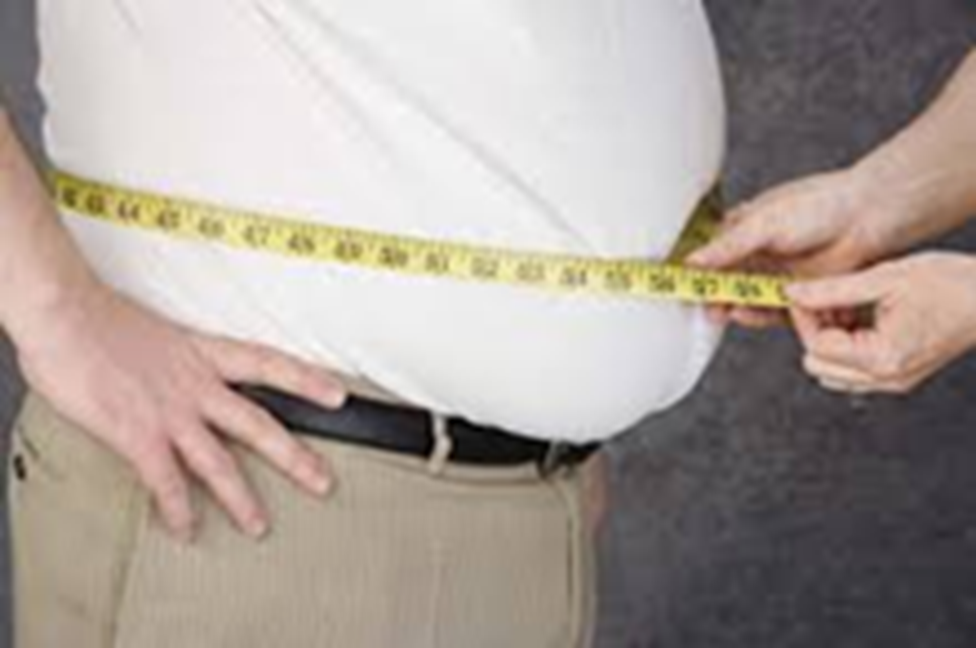
How was the patient with Obesity Hypoventilation Syndrome treated?
Obesity-Related Breathing Disorder: Occasionally, hospitals encounter cases where the patient's survival is considered nothing short of a miracle. A similar incident occurred at CK Birla Hospital in Gurugram, where a team of doctors saved the life of a 75-year-old woman in a very difficult and risky case and safely discharged her. Let us explain what the matter is.
What disease was the woman suffering from?
The 160-kilogram woman suffered from a serious condition called obesity hypoventilation syndrome, a condition in which the body cannot breathe properly, causing oxygen levels in the blood to drop while carbon dioxide levels increase. She also had several other medical conditions, including diabetes, high blood pressure, anxiety, and bedsores from prolonged bed rest. She was brought to the hospital's emergency department in critical condition, where she was diagnosed with pneumonia in both lungs and a serious heart problem. Her condition was so critical that ventilator support was immediately required.
gradual improvement
During the first 24 hours of treatment in the ICU, his condition showed some improvement. His fever and infection began to subside, chest X-rays showed improvement, and cardiac parameters also began to improve. Based on these positive signs, doctors decided to remove the ventilator after about 36 hours. However, as soon as the ventilator was removed, the patient's condition suddenly deteriorated. His oxygen levels dropped rapidly, and he had to be immediately put back on the ventilator.
What did the doctors say?
Dr. Kuldeep Kumar Grover, Associate Director of Pulmonology and Critical Care at the hospital, explained that the problem was caused by severe obesity-related respiratory obstruction. He explained that in such patients, lung capacity is reduced, and the body is unable to breathe adequately on its own. Dr. Grover further explained that in this case, the patient's infection and heart-related parameters were improving, but due to obesity, his breathing capacity was severely impaired. This is why the first attempt to remove the ventilator was unsuccessful.
This is how life was saved.
Following this, the team of doctors changed their strategy. The patient was gradually trained to breathe independently over a long period of time, pressure support was gradually reduced, and the airway was fully prepared using bronchoscopy. After this careful planning, the second ventilator removal procedure was successful. With the increasing incidence of obesity in India, diseases like OHS are also rapidly emerging. According to several studies, the prevalence of sleep-related breathing problems ranges from 5 to 16 percent of patients, but the condition often goes undiagnosed until it becomes severe. Doctors say that early diagnosis, weight control, and regular medical checkups are the best ways to prevent such serious conditions.