
LIFESTYLE
Kidney Health: Uric acid vs. creatinine…two important indicators of kidney health that need to be understood.
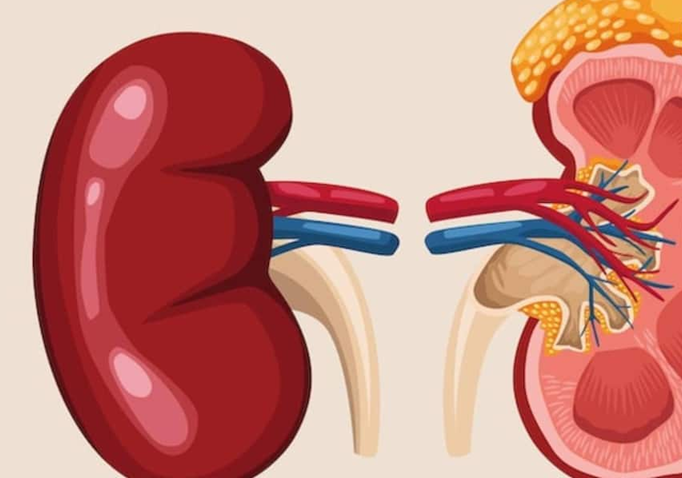
Kidney Health: Nowadays, understanding your body's signals has become extremely important for maintaining good health, especially when it comes to kidney health. Learn the difference between uric acid and creatinine to ensure your health remains on track.

Uric acid vs creatinine
Kidney Health: Nowadays, people have become more health conscious than ever before. They also get various tests done from time to time, so that they can stay updated about their health and get timely treatment for diseases. However, when the body checkup report comes in hand, it is difficult to understand many complex terms. Especially names like uric acid and creatinine confuse people. Many people think that both indicate the same thing, whereas the truth is that both provide information about different conditions of the body.
According to doctors, when we look at a person's lab report, terms like uric acid and creatinine often appear together. These two terms are related to the kidneys, but they tell two completely different stories about your health. Therefore, it's crucial to have accurate information about them.
Creatinine: A test of kidney function
Creatinine is a waste product produced when our muscles use energy. The body produces it in roughly the same amount every day. Healthy kidneys filter it from the blood and excrete it in the urine. This is why doctors consider creatinine levels a reliable indicator of kidney function. Simply put, think of creatinine as the kidney's "speedometer." It's a waste product produced by muscle breakdown, which healthy kidneys excrete at a steady rate. However, elevated creatinine levels often indicate kidney dysfunction, which can be caused by dehydration or kidney disease.
Uric acid: a way to understand metabolism
Uric acid, on the other hand, is formed in the body by the breakdown of substances called purines. We get purines from many foods, such as red meat, seafood, alcohol, and even some healthy foods like pulses. Uric acid levels vary depending on diet, lifestyle, and metabolism. Dr. Ankur Singhal explains that uric acid acts as a "metabolic messenger." It's formed when your body breaks down purines in certain foods. High uric acid levels don't always indicate kidney problems; rather, they often point to lifestyle habits. Such factors as insufficient water intake, excessive sugar intake, or metabolic problems can cause this.
So why do people often get confused?
Comparing the two, creatinine answers a simple question: are the kidneys filtering blood properly? Uric acid, on the other hand, asks a more complex question: how is the body handling waste generated by metabolism and food and drink? Creatinine, on the other hand, indicates the condition of the kidneys, while uric acid indicates our habits. Doctors say that these two reports should always be considered together; it is not correct to draw conclusions based on just one. Sometimes, both levels increase simultaneously, which can be a sign of a serious kidney problem.