
TRAVEL
Namo Bharat Rapid Rail: Kanpur to Ayodhya in Just 90 Minutes? 187-km High-Speed Rail Proposal Moves Ahead
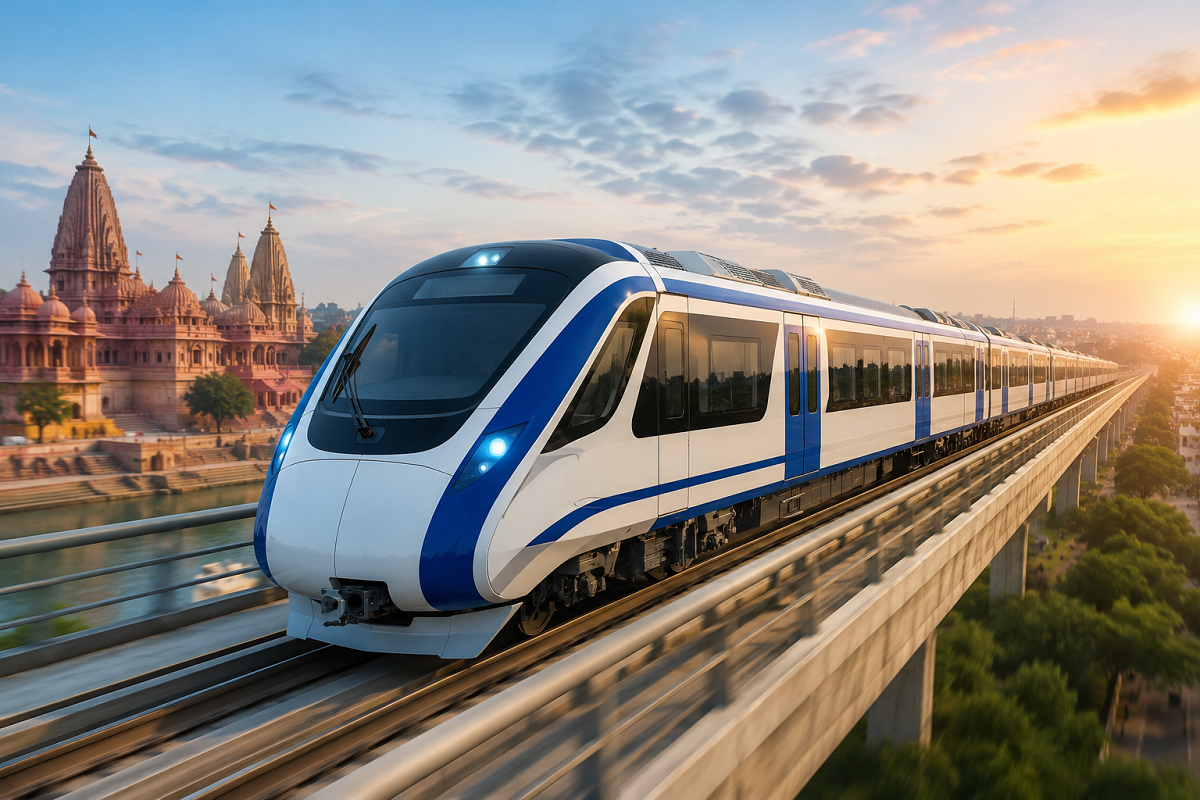
Kanpur–Ayodhya Namo Bharat Rapid Rail: Traveling between Kanpur and Ayodhya could soon become much faster, as a proposal for the Kanpur–Lucknow–Ayodhya Namo Bharat Rapid Rail Corridor has moved forward. The proposed project aims to connect the three major cities through a 187-kilometre high-speed rail corridor, with trains capable of operating at speeds of up to 160 km/h.
If the project is approved and completed as planned, passengers may be able to travel from Kanpur to Ayodhya in around 90 minutes, significantly reducing the current journey time.
High-Speed Rail Proposal Gains Momentum
Authorities have prepared the proposal for the Kanpur–Lucknow–Ayodhya Namo Bharat Rapid Rail Project, and preliminary work on the initiative has reportedly begun.
The proposed corridor is designed to provide a faster and more efficient transportation option between three of Uttar Pradesh's most important cities, improving regional connectivity and supporting economic development.
Key Highlights of the Proposed Corridor
According to the proposal:
- Route: Kanpur – Lucknow – Ayodhya
- Total Length: Approximately 187 kilometres
- Maximum Operational Speed: Up to 160 km/h
- Estimated Kanpur–Ayodhya Travel Time: Around 90 minutes
The project is expected to offer a modern rapid rail system similar to the Namo Bharat services introduced in other regions of the country.
Faster Connectivity for Millions of Passengers
The proposed rapid rail corridor is expected to benefit:
- Daily office commuters
- Business travellers
- Students
- Pilgrims visiting Ayodhya
- Tourists travelling across Uttar Pradesh
By reducing travel time between major cities, the project could make same-day travel easier and more convenient for thousands of passengers.
Why Is This Project Important?
Kanpur, Lucknow, and Ayodhya are among Uttar Pradesh's most significant urban and religious centres.
A dedicated high-speed corridor could:
- Improve regional mobility.
- Reduce dependence on road transport.
- Ease congestion on existing rail routes.
- Encourage tourism and pilgrimage.
- Support economic growth across the corridor.
The project is also expected to strengthen connectivity between industrial, administrative, educational, and religious destinations.
Expected Benefits
If implemented successfully, the rapid rail project may provide several advantages:
- Significantly shorter travel times.
- High-speed and comfortable journeys.
- Better inter-city connectivity.
- Improved access to Ayodhya for pilgrims.
- Increased business and tourism opportunities.
- Reduced pressure on highways and conventional rail services.
How Fast Will the Trains Run?
Under the current proposal, Namo Bharat trains are expected to operate at speeds of up to 160 kilometres per hour, making them substantially faster than many conventional passenger services operating on the same route.
The reduced travel time could make inter-city commuting more practical for both work and leisure.
Current Status of the Project
At present, the Kanpur–Lucknow–Ayodhya Namo Bharat Rapid Rail Corridor remains at the proposal stage.
According to available information:
- The project proposal has been prepared.
- Initial work related to the project has reportedly begun.
- Detailed approvals, planning, and implementation timelines are yet to be officially announced.
The final route alignment, station locations, project cost, and construction schedule are expected to become clearer as the project progresses.
Final Take
The proposed Kanpur–Lucknow–Ayodhya Namo Bharat Rapid Rail Corridor has the potential to transform travel across central Uttar Pradesh. With trains capable of running at 160 km/h, the ambitious 187-kilometre project aims to reduce the Kanpur–Ayodhya journey to nearly 90 minutes, offering faster, more comfortable, and efficient transportation.
However, the project is currently at the proposal and planning stage, and passengers will need to wait for official approvals and construction updates before the rapid rail service becomes operational.