LIFESTYLE
Monsoon Health Tips: Troubled by Mosquitoes? Simple Ways to Prevent Dengue, Malaria and Other Infections
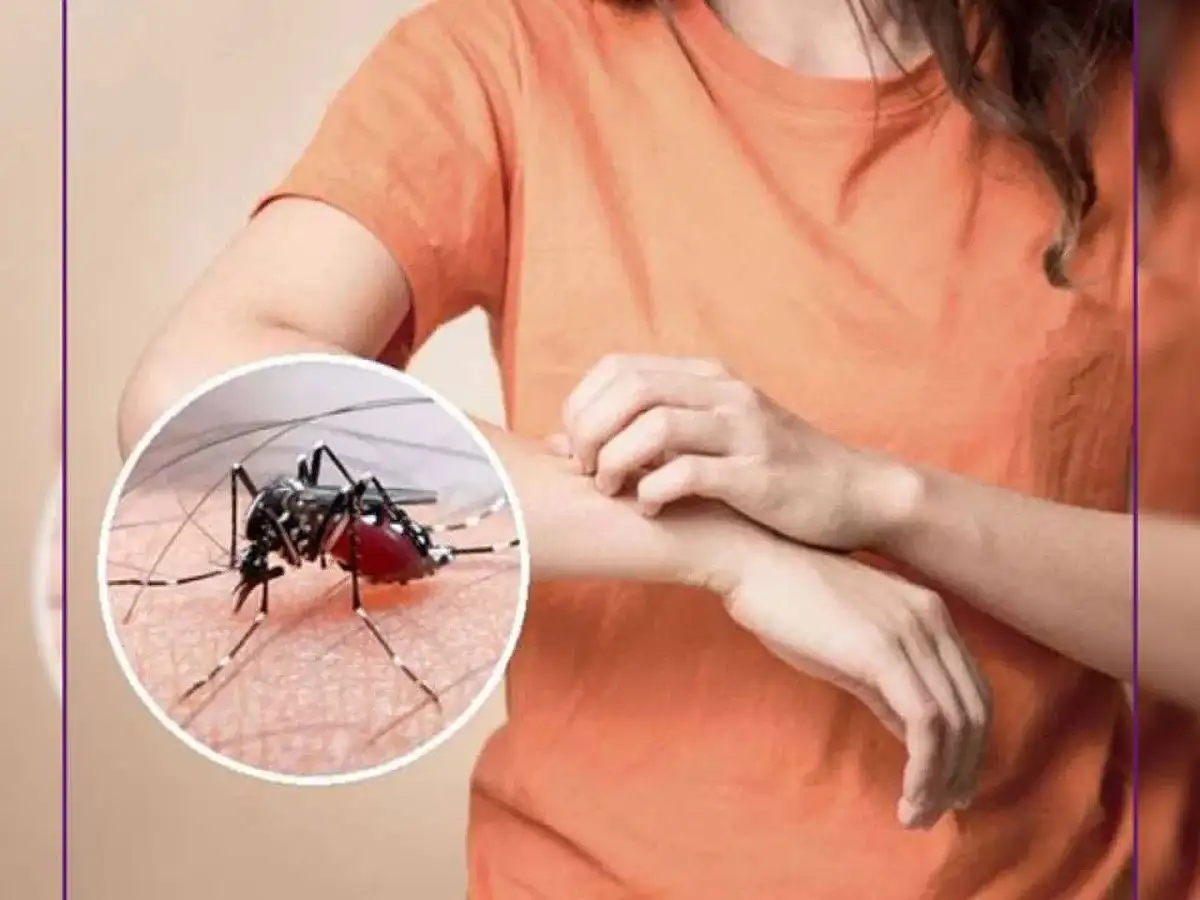
The monsoon season brings much-needed relief from the summer heat, but it also creates ideal conditions for mosquitoes to breed. Water collecting in coolers, flower pots, buckets, discarded tyres, and other open containers provides the perfect environment for mosquito larvae, increasing the risk of mosquito-borne diseases such as dengue, malaria, chikungunya, Zika virus infection, and West Nile virus disease.
Health experts recommend taking preventive measures at home and outdoors to reduce mosquito breeding and protect yourself and your family from seasonal infections.
Why Do Mosquitoes Multiply During the Monsoon?
Frequent rainfall often leads to stagnant water in and around homes, construction sites, gardens, and public spaces. Even small amounts of standing water can become breeding grounds for mosquitoes within a few days.
As mosquito populations increase, so does the likelihood of infections transmitted through mosquito bites. Regular cleaning and eliminating stagnant water remain the most effective ways to reduce this risk.
Diseases Spread by Mosquito Bites
Mosquitoes are known to transmit several viral and parasitic infections, including:
- Dengue
- Malaria
- Chikungunya
- Zika virus infection
- West Nile virus disease
Some of these illnesses can become serious if they are not diagnosed and treated at an early stage. Preventive measures are therefore essential, especially during the rainy season.
Effective Ways to Protect Yourself from Mosquitoes
You can significantly reduce your risk of mosquito bites by following these simple precautions:
Wear Protective Clothing
Choose full-sleeved shirts, full-length trousers, socks, and covered footwear whenever possible, especially during the early morning and evening hours when mosquitoes are most active.
Use Mosquito Repellents
Apply a mosquito repellent cream, lotion, or spray to exposed skin before going outdoors. Follow the instructions on the product label for safe and effective use.
Install Window and Door Screens
Fit mesh screens on windows and doors to prevent mosquitoes from entering your home while allowing ventilation.
Sleep Under a Mosquito Net
Using a mosquito net is particularly important in areas with a high mosquito population or where mosquito-borne diseases are common.
Remove Standing Water
Inspect your surroundings regularly and empty water collected in:
- Air coolers
- Flower pots
- Buckets
- Tyres
- Bottles
- Trays
- Bird baths
- Open containers
Cleaning and drying these items every week helps interrupt the mosquito breeding cycle.
Choose Outdoor Areas Carefully
If spending time outdoors, avoid places with stagnant water and dense vegetation, particularly during dawn and dusk when mosquitoes are most active.
Symptoms That Should Never Be Ignored
Seek medical attention if you develop any of the following symptoms after a mosquito bite:
- High fever
- Severe headache
- Body or joint pain
- Pain behind the eyes
- Extreme weakness or fatigue
- Nausea or vomiting
- Skin rash
- Fever that persists for several days
These symptoms may indicate illnesses such as dengue, malaria, or chikungunya. Early diagnosis and prompt treatment can help prevent serious complications.
Who Is at Higher Risk?
Certain groups are more vulnerable to severe mosquito-borne infections and should take extra precautions during the monsoon.
These include:
- Young children
- Older adults
- Pregnant women
- People with weakened immune systems
- Individuals living with diabetes
- Patients with kidney disease or other chronic illnesses
Anyone in these groups who develops fever or other warning signs should consult a healthcare provider without delay.
Keep Your Home Mosquito-Free
Maintaining a clean environment is one of the most effective ways to reduce mosquito breeding.
Follow these simple steps:
- Remove stagnant water every week.
- Keep drains clean and free from blockages.
- Cover overhead water tanks and storage containers securely.
- Dispose of unused tyres, cans, bottles, and other containers that can collect rainwater.
- Maintain cleanliness both inside and outside your home.
- Change the water in flower vases, pet bowls, and decorative containers regularly.
Additional Monsoon Safety Tips
Along with mosquito control, maintaining good personal hygiene and staying alert to seasonal illnesses can help reduce health risks during the rainy season. Wearing appropriate clothing, keeping your surroundings clean, and seeking timely medical care for persistent fever or other concerning symptoms are essential preventive measures.
Bottom Line
Mosquitoes thrive during the monsoon because of increased stagnant water, making diseases like dengue, malaria, and chikungunya more common. Taking simple preventive steps—such as removing standing water, using mosquito repellents, wearing protective clothing, and keeping your home clean—can greatly reduce the risk of infection. If you or a family member develops persistent fever or other warning signs, seek medical advice promptly rather than relying on self-medication.
Disclaimer: This article is intended for general awareness and informational purposes only. It should not be considered a substitute for professional medical advice, diagnosis, or treatment. Always consult a qualified healthcare provider if you experience symptoms of a mosquito-borne illness.