LIFESTYLE
How to Clean Brass: Have your brass utensils turned black? Bring back the shine in just 2 minutes.
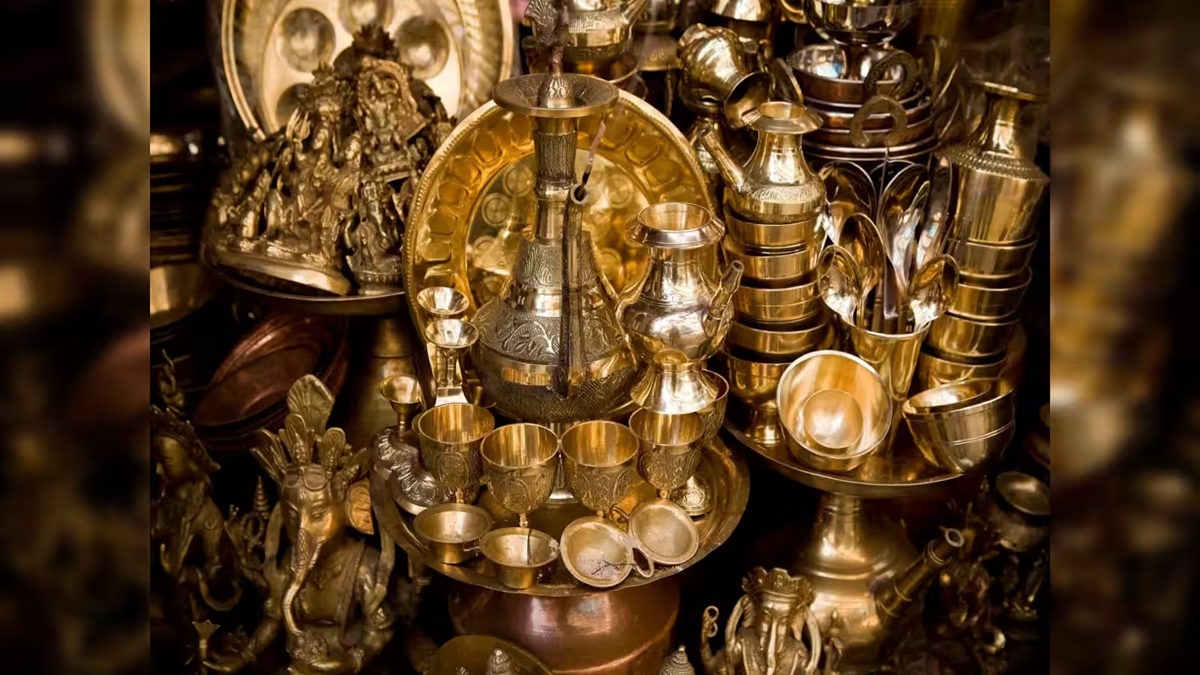
Brass Cleaning: Brass is an alloy composed primarily of copper and zinc. When it's continuously exposed to air, moisture, water, or certain foods, a layer gradually forms on its surface.
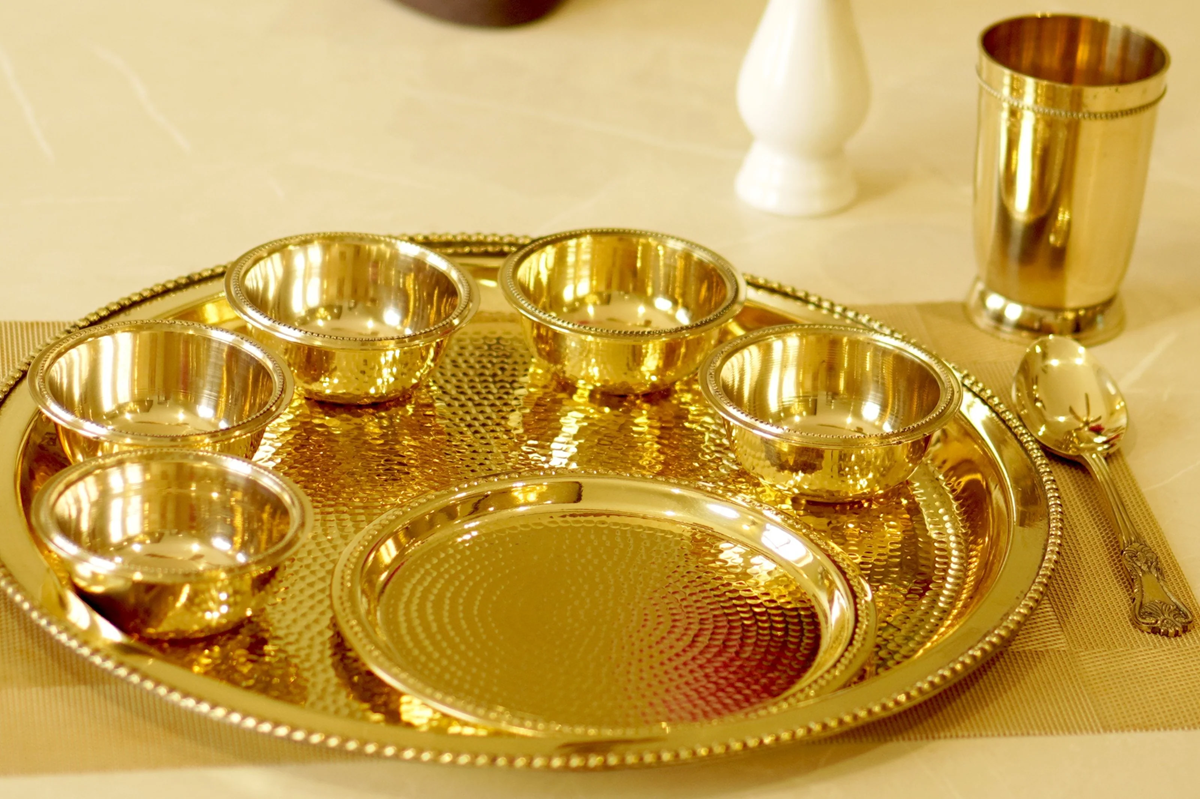
How to shine blackened brass utensils?
How to Clean Blackened Brass Utensils: Brass utensils and decorative items in the home always look special because of their golden shine. Be it a brass lamp used in puja, a brass plate taken out during festivals, or an old utensil kept safe for years, these items are not only related to home decoration but also to our memories and traditions. But over time, their shine gradually fades and a black or brown layer accumulates on the brass surface. In such a situation, many people consider getting it polished to bring it back to shine. However, this is not necessary every time. With the help of some things available at home, the lost shine of brass items can be brought back to a great extent.
Why does brass turn black?
Brass is an alloy primarily composed of copper and zinc. When it's constantly exposed to air, moisture, water, or certain foods, a layer gradually forms on its surface. This is why shiny brass can appear black, brown, or dull over time. This is called tarnishing. This isn't uncommon, but if brass items aren't regularly cleaned and cared for, this layer can become quite stubborn. Fortunately, this doesn't always require expensive cleaning products or professional polishing. Everyday ingredients like lemon, salt, vinegar, baking soda, and tamarind can help clean brass.
Bring back shine with lemon and salt.
The lemon and salt method is quite simple for removing light tarnish from brass. Cut a lemon in half and apply a little salt to the cut side. Gently rub it over the brass surface. The acid in the lemon helps loosen the tarnish, while the salt acts as a mild scrubber. This method can be used to clean brass bowls, plates, puja items, and other small everyday items. After cleaning, rinse the item with water and dry it thoroughly.
Vinegar and baking soda for darker stains
If the black spots on the brass are severe and don't come off with regular cleaning, try a mixture of white vinegar and baking soda. Mix the two to form a thick paste and apply it to the affected area. Let it sit for 5 to 10 minutes. Then, gently scrub with a soft sponge or cloth and rinse with water. Be careful not to scrub too hard when cleaning the brass. Excessive friction can scratch the surface.
Tamarind or tomato will also work.
Tamarind and tomato can also be used to clean brass. Apply tamarind pulp or tomato juice to the tarnished brass surface and leave it for a few minutes. The natural acids present in them can help remove the tarnish layer. After some time, rinse the item thoroughly with water and wipe it with a dry soft cloth. This method can be especially useful if there is a light to moderate buildup on the brass surface.
Make a natural cleaning paste with flour, salt, and vinegar
For heavily tarnished brass items, a paste of flour, salt, and vinegar can also be used. Mix the three ingredients in equal amounts to form a paste and apply it to the brass surface. Let it sit for 15 to 20 minutes. Then, rinse thoroughly with water. This method can be used on old brass utensils, bells, puja items, and plates. However, it's best to test any home remedy on a small, inconspicuous area before applying it to the entire item.
Toothpaste for mild stains
If the brass is only lightly coated, a small amount of ordinary white toothpaste can also be used. Apply it to a soft cloth and gently rub it into the brass surface. Rinse with water and dry the item thoroughly.
How to keep brass shiny after cleaning
To prevent repeated tarnishing of brass items, regular care is essential. After use, avoid leaving utensils wet for extended periods of time. Clean them with mild soap and dry them immediately. Avoid using harsh detergents or harsh scrubbers. The storage area for brass items should also be dry. If not in use for an extended period, wrap them in a soft cloth. This will help reduce direct exposure to moisture and air.