
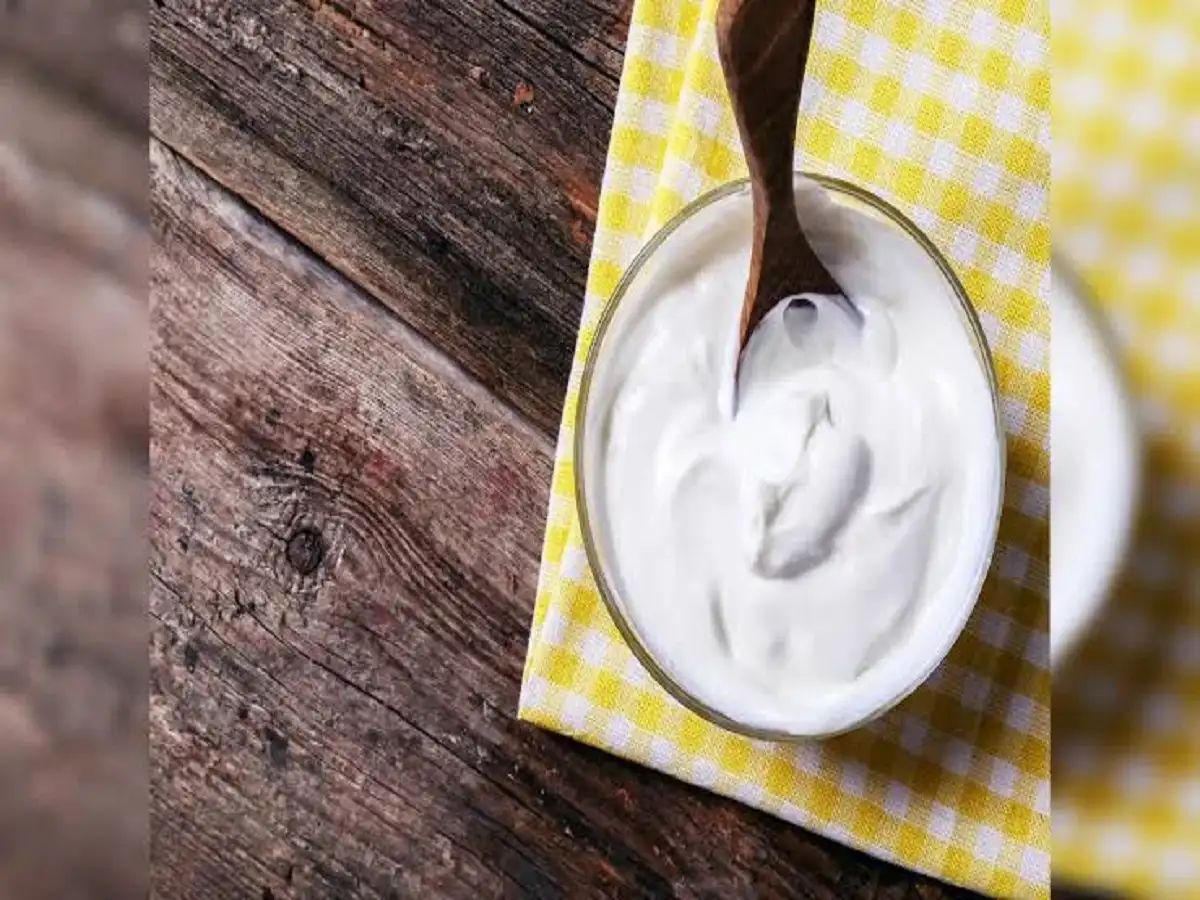
Curd is a staple in many Indian kitchens, but sometimes a bowl kept in the refrigerator for a while develops a noticeably sour taste. This happens because the fermentation process can continue, causing the acidity and flavour of the curd to change.
However, there is an important difference between curd that has simply become more sour and curd that has actually spoiled. If properly refrigerated curd smells and looks normal but tastes more acidic than before, it may still be useful in cooking or for certain household purposes. But curd showing mould, unusual discolouration, an unpleasant or rotten smell, or other clear signs of spoilage should be discarded rather than reused.
Also, using a wet or contaminated spoon can introduce unwanted microorganisms, so curd should ideally be handled with a clean, dry utensil.
If you have safe but overly sour curd sitting in the refrigerator, here are five practical ways to put it to use instead of immediately throwing it away.
1. Turn Sour Curd Into Flavourful Besan Kadhi
One of the easiest and most popular culinary uses for sour curd is making kadhi.
In fact, a mildly tangy curd can work particularly well because the characteristic sourness complements the gram-flour-based gravy.
Start by whisking the curd until smooth. Mix it with besan and water, making sure there are no lumps. The mixture can then be cooked with spices according to your preferred kadhi recipe.
A tempering made with ingredients such as cumin, mustard seeds, curry leaves or dried chillies can be added depending on the regional style of kadhi you are preparing.
Cooking the mixture thoroughly is important for achieving the right texture and flavour.
Remember that this tip applies to curd that is merely sour, not curd that shows signs of spoilage.
2. Use It to Clean Certain Brass and Copper Utensils
Sour curd has traditionally been used as a household cleaning ingredient for certain copper and brass items, including some utensils used for religious purposes.
Its acidic nature may help loosen surface tarnish.
A small quantity of sour curd can be mixed with a little lemon juice and applied to the utensil. Leave it briefly, rub gently and then rinse the item thoroughly with clean water.
However, this method is not appropriate for every surface. Decorative coatings, special finishes, antique objects and lacquered utensils could react differently to acidic ingredients.
Test the mixture on a small, less visible area before cleaning the entire item. For valuable or speciality objects, follow the manufacturer's or a professional cleaner's instructions instead.
3. Try Plain Curd as a Hair Treatment
Curd has long been used in traditional home hair-care routines. Some people apply plain curd to the hair and scalp before washing it off.
If you want to try it, apply a small amount of plain curd to the scalp and hair, leave it on briefly and then rinse thoroughly. Shampoo afterwards if needed.
It is better to avoid adding strongly acidic ingredients such as lemon juice, especially if your scalp is sensitive, irritated or scratched. Such ingredients can cause stinging or further irritation in some people.
Curd should also not be treated as a medical remedy for dandruff, scalp infections or persistent itching. Recurring or severe scalp problems are better evaluated by a dermatologist.
4. Use Diluted Curd Carefully in the Garden
Some traditional gardening practices involve using highly diluted curd or other fermented dairy mixtures around plants.
If you decide to experiment with this approach, dilution is important. Whisk the curd until smooth and mix approximately one part curd with four parts water. The mixture can then be strained and used sparingly around the soil near the plant's roots.
Avoid pouring large amounts of undiluted curd directly onto plants or soil. Dairy residue can develop an unpleasant smell and may attract insects, pests or animals.
It is also worth remembering that different plants have different soil and nutrient requirements. Sour curd is not a replacement for appropriate compost or fertiliser.
5. Use Plain Curd in a Simple Homemade Face Pack
Curd is also commonly found in traditional DIY skincare routines. It naturally contains lactic acid, an alpha-hydroxy acid that is also used in formulated skincare products, although the concentration and effect of homemade curd are not standardised.
For a basic homemade mixture, curd can be combined with besan. Some people also add a small amount of honey or turmeric.
However, natural ingredients are not automatically suitable for every skin type. Homemade mixtures may trigger irritation or allergic reactions, particularly in sensitive skin.
Perform a patch test before applying a DIY preparation more widely. Avoid using sour curd on broken, inflamed, sunburned or already irritated skin, and discontinue use if burning, itching or redness develops.
Check Whether the Curd Is Safe Before Reusing It
The most important kitchen rule is that “sour” and “spoiled” are not the same thing.
Curd that has simply developed extra acidity during storage may still have practical uses if it has been stored safely. But no kitchen hack should be used to rescue food that is clearly spoiled.
Check its appearance, smell, storage conditions and use-by guidance before deciding what to do with it. When there is genuine doubt about food safety, throwing it away is safer than trying to repurpose it.
With that precaution in mind, mildly sour curd can find a second use in kadhi, household cleaning, personal-care routines or even carefully managed gardening instead of going straight into the bin.