
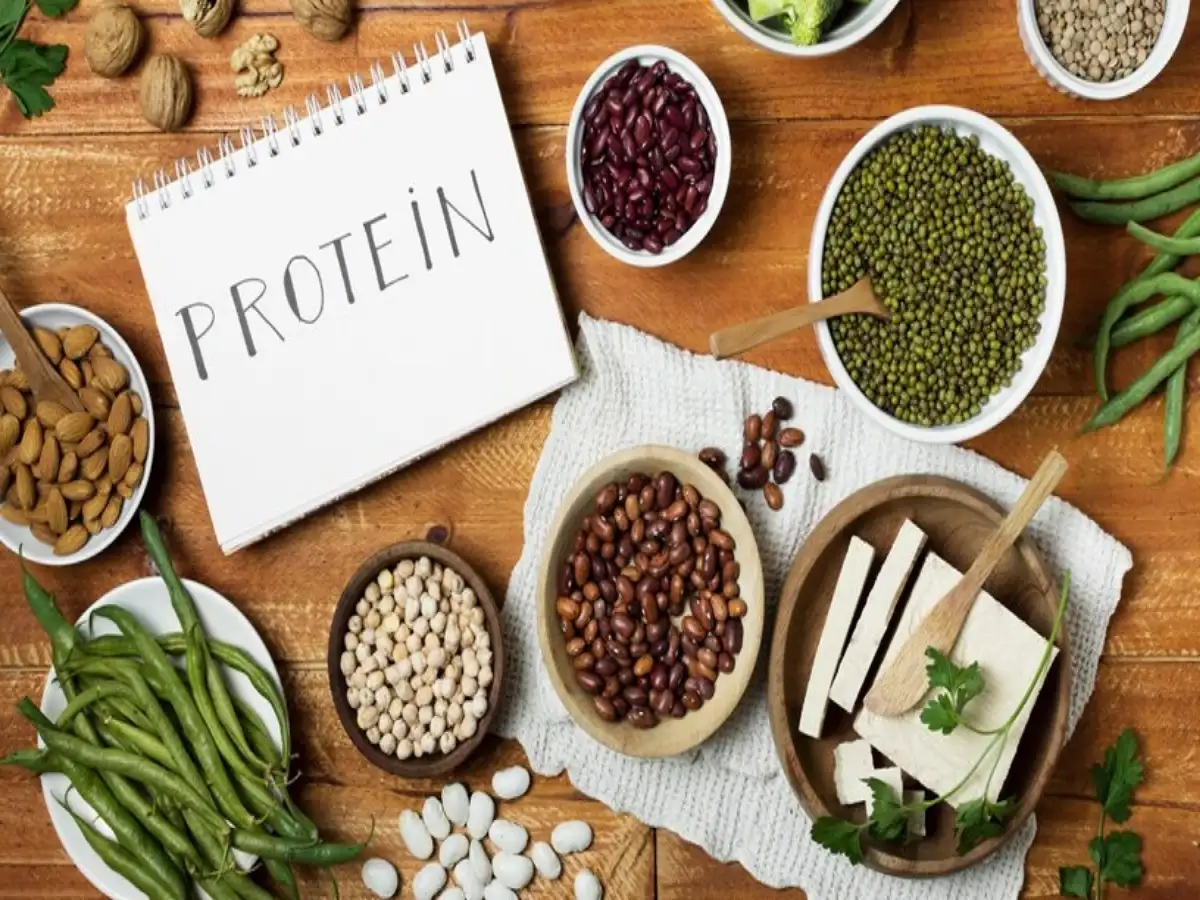
Healthy Eating Tips: Eating nutritious food is essential for maintaining energy, supporting digestion and keeping the body healthy. While many people focus on protein-rich foods such as eggs, milk and paneer, dietary fiber is equally important for overall well-being.
Protein helps the body build and repair muscles, maintain tissues and perform several essential functions. Fiber, meanwhile, supports healthy digestion, promotes regular bowel movements and helps you feel satisfied after meals.
The good news is that several everyday foods contain both nutrients. From traditional Indian lentils to chickpeas, oats and quinoa, there are plenty of nutritious options that can easily become part of a balanced diet.
If you want to improve your daily nutrition without making complicated changes to your eating habits, here are five foods worth considering.
1. Lentils: An Affordable Source of Protein and Fiber
Lentils are among the most popular foods in Indian households. Whether prepared as dal, soup or a vegetable-based dish, they provide valuable nutrients without requiring expensive ingredients.
Lentils contain plant-based protein, dietary fiber, iron, folate and other important nutrients.
Nutritional value of approximately one cup of cooked lentils:
- Protein: Around 18 grams
- Fiber: Around 15 grams
These values are approximate and vary depending on the variety and preparation method.
The protein in lentils contributes to muscle maintenance and tissue repair, while their fiber supports bowel regularity and digestive health.
Lentils can also help people feel full for longer, making them a useful addition to satisfying meals.
How to include lentils in your diet: Prepare dal with seasonal vegetables, add cooked lentils to soups or mix them with chopped cucumber, tomatoes and lemon juice for a nutritious salad.
Combining lentils with rice or roti and vegetables can create a balanced, everyday meal.
2. Edamame: A Nutritious Plant-Based Protein Option
Edamame refers to young green soybeans harvested before they fully mature. These beans are increasingly popular among people looking for nutritious vegetarian protein sources.
Unlike many other plant foods, soybeans provide all nine essential amino acids, making them a complete protein source.
Edamame also contains dietary fiber and several vitamins and minerals.
Nutritional value of approximately one cup of cooked, shelled edamame:
- Protein: Around 18–19 grams
- Fiber: Around 8 grams
This combination makes edamame a useful food for supporting muscle health and digestive function.
It can be particularly helpful for vegetarians seeking variety in their protein sources.
How to eat edamame: Boil or steam the beans and serve them as a snack. You can also add them to vegetable stir-fries, salads, rice bowls or homemade soups.
Edamame should be cooked before consumption, and people with soy allergies should avoid it.
3. Chickpeas: A Filling Food for Everyday Nutrition
Chickpeas are widely consumed across India and are available in several varieties, including kabuli chana and kala chana.
They are affordable, versatile and provide a combination of protein, fiber and complex carbohydrates.
Nutritional value of approximately one cup of cooked chickpeas:
- Protein: Around 14–15 grams
- Fiber: Around 12 grams
Chickpeas can support digestive health and help maintain fullness between meals.
Their fiber content may also contribute to healthier cholesterol levels when included as part of a balanced diet.
Chickpeas contain important minerals such as iron, magnesium and potassium.
How to include chickpeas in meals: Prepare chana masala, add boiled chickpeas to salads or combine cooked kala chana with onions, tomatoes, coriander and lemon juice.
Roasted chickpeas can also be a convenient snack, although portion sizes and added salt should be considered.
Soaking dried chickpeas and cooking them thoroughly helps improve their texture and digestibility.
4. Quinoa: A Nutritious Alternative to Refined Grains
Quinoa is a seed commonly prepared and eaten like a grain. It has become popular because it contains protein, fiber and several important minerals.
It can be used as an alternative to refined rice or other grains, although traditional whole grains can also provide excellent nutrition.
Nutritional value of approximately one cup of cooked quinoa:
- Protein: Around 8 grams
- Fiber: Around 5 grams
Quinoa provides all nine essential amino acids and contains nutrients such as magnesium, phosphorus and manganese.
Its fiber content contributes to digestive health, while its protein makes it a useful addition to vegetarian meals.
How to eat quinoa: Prepare vegetable quinoa pulao, use it as the base of a grain bowl or combine it with fresh vegetables and herbs for a salad.
Quinoa can also be served with dal or cooked vegetables.
Rinsing quinoa before cooking can help remove naturally occurring compounds that may give it a bitter taste.
5. Oats and Seeds: A Simple Way to Improve Breakfast
Breakfast is an easy opportunity to increase your intake of protein and dietary fiber.
Oats are particularly useful because they contain beta-glucan, a type of soluble fiber associated with healthy cholesterol levels.
They also provide carbohydrates, protein and several essential nutrients.
Nutritional value of approximately one cup of cooked oats prepared with water:
- Protein: Around 5–6 grams
- Fiber: Around 4 grams
The exact amount depends on the type of oats, the quantity used and the preparation method.
Adding seeds can further improve the nutritional value of an oat-based breakfast.
Chia seeds and flaxseeds provide additional fiber, while nuts and milk can contribute protein and other nutrients.
How to include oats in your diet: Prepare overnight oats with milk or yogurt, add chia seeds and chopped fruit, or make savory vegetable oats.
For additional variety, include small portions of flaxseeds, almonds or walnuts.
Choose plain oats when possible and limit products containing large amounts of added sugar.
Protein and Fiber Content: Quick Comparison
| Food | Approximate Protein | Approximate Fiber |
|---|---|---|
| Cooked lentils, 1 cup | 18 g | 15 g |
| Cooked shelled edamame, 1 cup | 18–19 g | 8 g |
| Cooked chickpeas, 1 cup | 14–15 g | 12 g |
| Cooked quinoa, 1 cup | 8 g | 5 g |
| Cooked oats, 1 cup | 5–6 g | 4 g |
Note: Nutritional values are estimates. Actual amounts depend on the food variety, serving size and cooking method.
Why Should You Eat Protein and Fiber Together?
Protein and fiber perform different but complementary functions in the body.
Protein is essential for maintaining muscles, producing enzymes and supporting normal body functions.
Fiber helps maintain digestive regularity and supports beneficial gut bacteria. Certain types of soluble fiber may also help manage cholesterol and blood sugar levels.
Meals containing adequate protein and fiber can be more satisfying than meals based mainly on refined carbohydrates.
However, no single food can provide every nutrient the body needs. A healthy eating pattern should include vegetables, fruits, whole grains, legumes and other appropriate protein sources.
Simple Tips to Improve Your Daily Diet
You do not need to completely change your food habits to increase your protein and fiber intake.
Start by adding a serving of dal or chickpeas to lunch. Include vegetables in your meals and choose whole grains more often.
For breakfast, consider oats with milk, seeds and fruit.
You can also replace some highly processed snacks with roasted chickpeas or other nutritious options.
If your current diet is low in fiber, increase your intake gradually and drink adequate fluids. Adding too much fiber suddenly may cause bloating or digestive discomfort.
People with kidney disease, digestive conditions or other medical dietary restrictions should seek personalised advice from a qualified healthcare professional.
Final Words
A balanced diet does not have to be expensive or difficult to prepare. Common foods such as lentils, chickpeas and oats can provide meaningful amounts of protein and fiber.
Edamame and quinoa offer additional variety for people interested in expanding their plant-based food choices.
Including a combination of these foods in everyday meals can help support muscle health, digestion and overall nutrition.
The key is to maintain variety, eat appropriate portions and build healthy habits that can be followed consistently.
Disclaimer: This article provides general nutritional information and is not a substitute for individual medical or dietary advice.