
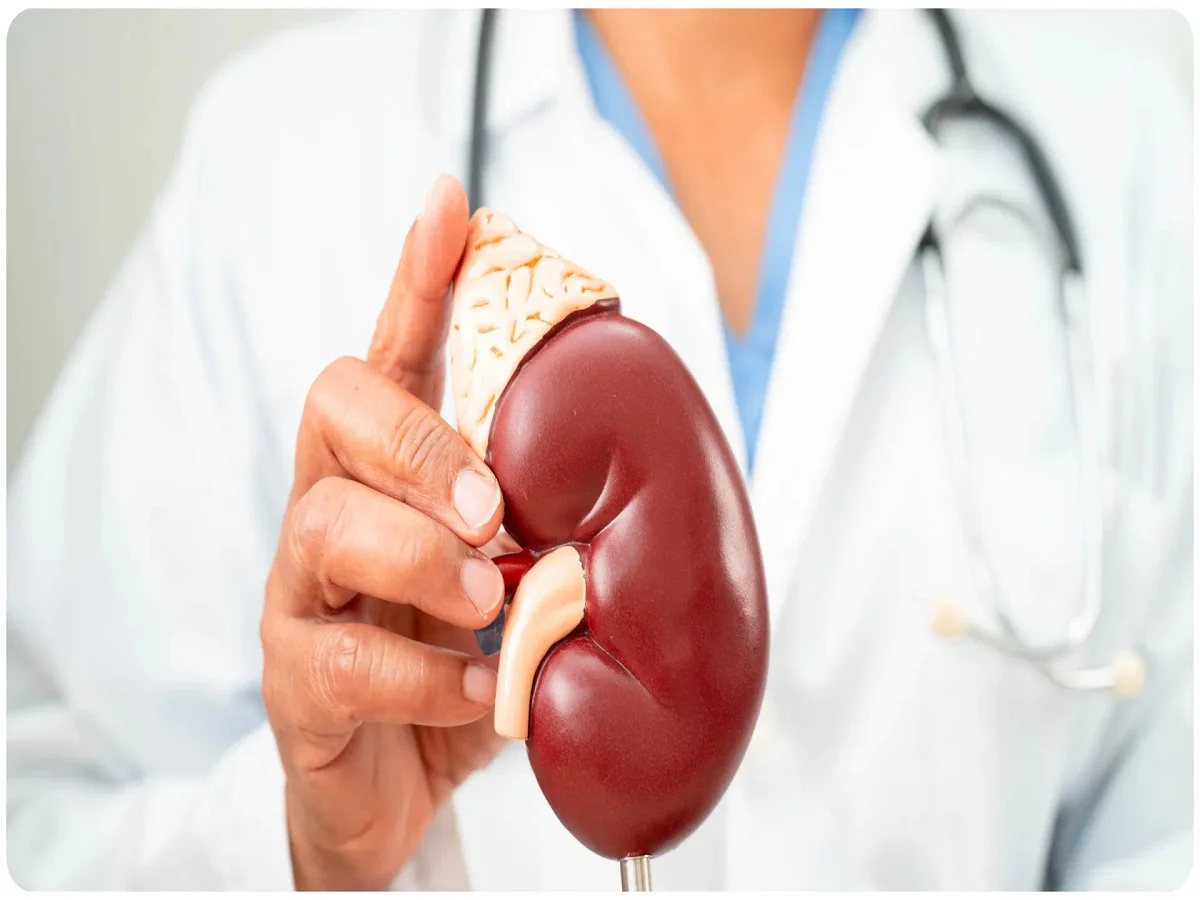
The kidneys are among the body's most vital organs, performing essential functions that keep the body healthy and balanced. These bean-shaped organs help filter waste products from the blood, regulate fluid levels, maintain electrolyte balance, and support overall metabolic health. When kidney function becomes impaired due to chronic kidney disease (CKD) or other kidney-related conditions, proper nutrition becomes just as important as medical treatment.
A carefully planned diet can help reduce the workload on the kidneys and prevent further complications. On the other hand, consuming certain foods regularly may put additional strain on already weakened kidneys and potentially worsen the condition. Health experts often recommend dietary modifications based on the stage of kidney disease, individual health status, and laboratory results.
Here are some food categories that kidney patients are commonly advised to limit or avoid under medical supervision.
1. High-Sodium Foods Can Increase Kidney Stress
Excessive sodium intake is one of the biggest dietary concerns for people with kidney disease. Too much salt can cause fluid retention, raise blood pressure, and increase the burden on the kidneys.
Since high blood pressure is both a cause and a consequence of kidney disease, limiting sodium intake is often a key part of treatment.
Foods High in Sodium Include:
- Potato chips and packaged snacks
- Salted mixtures and savory treats
- Pickles
- Papad and similar salty foods
- Processed snack products
- Fast food items
Reducing salt consumption can help manage blood pressure and support healthier kidney function over time.
2. Processed and Packaged Foods Should Be Consumed Sparingly
Many packaged foods contain large amounts of sodium, preservatives, artificial additives, and flavor enhancers. These ingredients can be challenging for the kidneys to process, particularly in individuals with reduced kidney function.
Common Processed Foods to Watch Out For:
- Instant noodles
- Ready-made soups
- Processed meats such as sausages
- Frozen ready-to-eat meals
- Canned foods
- Packaged convenience products
Choosing freshly prepared meals instead of heavily processed foods is often considered a healthier option for kidney patients.
3. Sugary Foods and Drinks May Affect Overall Health
Although sugar does not directly damage the kidneys in every case, excessive sugar consumption can contribute to obesity, diabetes, and cardiovascular problems. Diabetes remains one of the leading causes of chronic kidney disease worldwide.
Managing sugar intake can help support overall health and reduce the risk of complications associated with kidney disorders.
Foods and Beverages High in Sugar Include:
- Cakes and pastries
- Candies and confectionery items
- Chocolates
- Traditional sweets
- Sweetened beverages
- Soft drinks and sugary juices
Moderation is essential, especially for kidney patients who also have diabetes or blood sugar concerns.
4. Soft Drinks and Energy Drinks May Not Be Kidney-Friendly
Carbonated beverages and energy drinks often contain excessive amounts of sugar, artificial flavors, preservatives, and additives. Some soft drinks may also contain high levels of phosphorus, which can become problematic for people with advanced kidney disease.
Drinks Kidney Patients May Need to Limit:
- Carbonated soft drinks
- Sweetened flavored beverages
- Energy drinks
- Artificially colored drinks
Replacing these beverages with water or doctor-approved alternatives may help support better kidney health.
5. Foods Rich in Potassium May Require Careful Monitoring
Potassium is an important mineral that helps regulate muscle function, nerve signals, and heart rhythm. However, when kidney function declines, the body may struggle to remove excess potassium effectively. Elevated potassium levels can become dangerous if left unmanaged.
For this reason, some kidney patients are advised to monitor or limit potassium-rich foods depending on their medical condition.
Potassium-Rich Foods That May Need Restriction:
- Bananas
- Potatoes
- Tomatoes
- Oranges
- Dried fruits
- Certain fruit juices
It is important to note that potassium restrictions are not necessary for every kidney patient. Dietary recommendations vary based on blood test results and the severity of kidney disease.
The Importance of Personalized Nutrition
Kidney disease affects each person differently, which is why there is no universal diet plan that works for everyone. Factors such as age, disease stage, blood pressure, diabetes status, and laboratory findings all influence dietary recommendations.
Healthcare professionals often suggest working with a nephrologist or registered dietitian to create a personalized meal plan. Such plans can help ensure adequate nutrition while minimizing stress on the kidneys.
Final Thoughts
Managing kidney disease involves more than just taking medications. Dietary choices play a significant role in protecting kidney function and improving overall quality of life. Limiting excessive salt, processed foods, sugary products, soft drinks, and certain high-potassium foods may help support better kidney health.
However, dietary restrictions should never be adopted without professional medical advice. Kidney patients should always consult their doctor or dietitian before making significant changes to their eating habits, ensuring that nutritional needs are met while keeping kidney function protected.