LIFESTYLE
Is the ginger-garlic paste sold in the market real or fake? Check it for adulteration like this.

Recently, Hyderabad police raided a factory and seized approximately 4,000 kilograms of adulterated ginger-garlic paste. It was reported that the paste was being produced in unsanitary conditions.
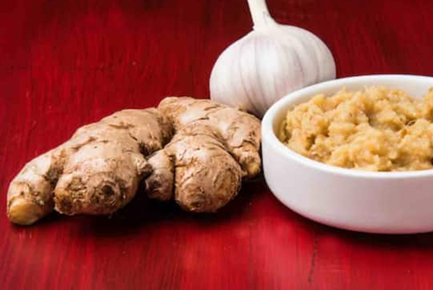
If you buy ginger-garlic paste from the market, then this news is important for you. Recently, the police raided a factory in Hyderabad and recovered about 4000 kg of adulterated ginger-garlic paste. It was said that this paste was being prepared in unhygienic conditions. The investigation also revealed that some people are mixing wrong and dangerous chemicals in food items and selling them in the market. In such a situation, it is important that we learn to check ourselves whether the paste we are buying is genuine or adulterated. So let us know how to check whether the ginger-garlic paste sold in the market is genuine or fake.
1 /6

Genuine paste is always smooth and soft. If the paste appears grainy, rough, or lumpy, it may be adulterated. To check, rub a little paste on your hand with your fingers. If it feels smooth, it's fine, but if it feels grainy, be wary.
2 /6
Pure paste doesn't release much water, but adulterated paste tends to accumulate water on top after some time. In this case, leave the paste open in a bowl for a while. If you see water floating on top, it may be adulterated.
3 /6
Authentic ginger-garlic paste has a strong, fresh aroma that lasts a long time. If the paste smells faint or strange, or has an artificial scent, it may be fake.
4 /6
Genuine paste is usually light brown or naturally colored. If the paste appears too white or too dark, be suspicious. Adulterated pastes often contain chemicals to brighten the color. Take a glass of water and add a little paste. If the paste mixes easily with the water, it's fine. However, if it floats to the top or settles to the bottom and appears separate, it's likely adulterated.
5 /6
Take a glass of water and add a little paste. If the paste mixes easily with the water, it's fine, but if it floats to the top or settles to the bottom and appears separate, it's likely adulterated.
6 /6
Always buy a paste from a branded and trusted company. Be sure to check the manufacturing date, expiration date, and FSSAI license number on the packaging. If the packaging doesn't provide accurate information, avoid purchasing such a product.