
LIFESTYLE
Baldness is not stopping even after expensive treatment, including these things in your diet.

Hair is typically made of protein. It also requires iron, vitamins, and minerals to grow properly. When these are deficient in the body, the hair is the first to be affected.
Many people believe that hair loss starts suddenly, but this isn't true. The story of hair loss often begins with finding hair on the pillow, hair in the drain after a shower, or excessive hair growth on the scalp. In fact, a fast-paced lifestyle, irregular sleep, constant stress, hurried meals, and increasing pollution all take their toll on the body. In such a situation, people often rush to find new hair oils, serums, or supplements. The truth is that hair health begins with our diet, before the products we apply to the scalp. Nutritional deficiencies in the body are first visible on Nutritional deficiencies in the body are first visible in the hair.ou're experiencing excessive hair loss and expensive treatments aren't working.
1 /10
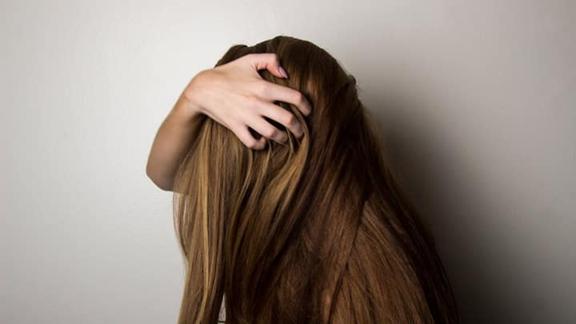
Our hair is primarily made of protein. But it also requires iron, vitamins, good fats, and minerals to grow properly. When these are deficient in the body, the hair is the first to be affected. Hair growth slows, hair begins to thin, and hair loss increases. The most surprising thing is that even imported superfoods don't work. In fact, many of the things your hair needs are already present in our daily diet. It's just that we no longer view food as a means of care.
2 /10
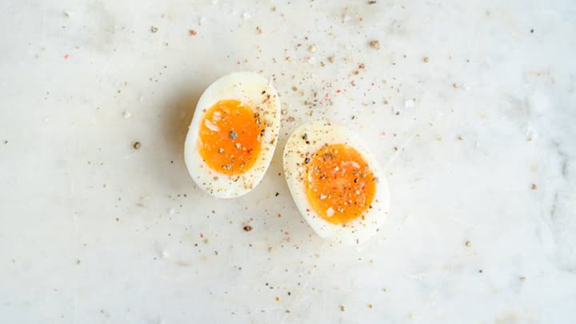
According to dermatologists, eggs are rich in protein and biotin. Protein helps form keratin, which strengthens hair structure, while biotin supports the roots. Including a boiled egg or omelet a few times a week is also beneficial. For those who don't eat eggs, cottage cheese, tofu, lentils, and chickpeas are good options.
3 /10
Green leafy vegetables are also considered very beneficial for hair. Vegetables like spinach, fenugreek, and bathua are rich in iron. Iron deficiency is a major cause of hair loss, especially in women. These vegetables improve blood circulation and help deliver oxygen to the roots. A bowl of spinach dal, while simple, is beneficial for hair.
4 /10
Amla is also rich in vitamin C and antioxidants. It helps strengthen hair roots and maintain a healthy scalp. Some people drink amla juice, some eat it as jam, and some consume it as chutney. Regardless of the method of consuming amla, regularity is crucial.
5 /10
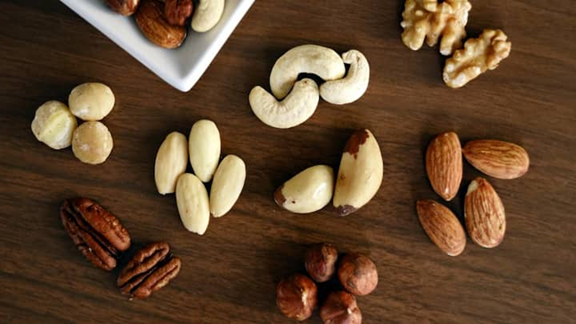
Almonds, walnuts, flax seeds, and pumpkin seeds are considered good sources of healthy fats and zinc. They help reduce hair loss and strengthen hair. Eating a small handful of them daily is usually sufficient.
6 /10
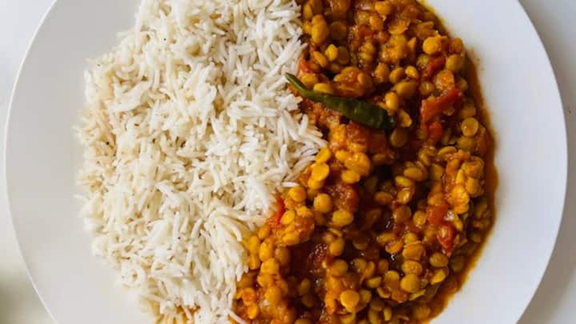
Meanwhile, options like mung beans, masoor dal, chana dal, and kidney beans are rich in plant protein and minerals. Trendy diets have led many people to stray from traditional foods, but regular lentil consumption provides the body with the stable nutrition it needs for hair growth.
7 /10
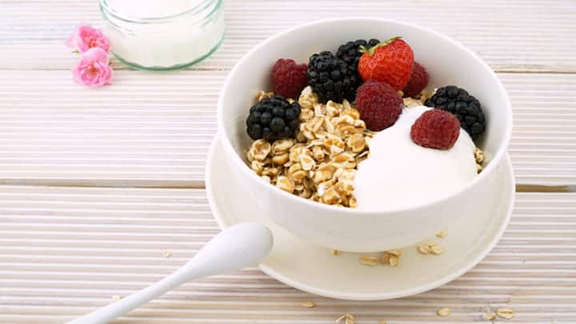
Hair health depends not only on your diet, but also on what your body absorbs. This is where digestion comes in. Yogurt, buttermilk, and other fermented foods improve digestion, allowing the body to utilize nutrients properly.
8 /10
Beta-carotene, found in carrots, pumpkin, and sweet potatoes, is converted into vitamin A in the body. This helps maintain the scalp's natural moisture. However, balance is essential. Excessive amounts of vitamin A can cause hair loss. Hair health rarely depends on extremes.
9 /10

Omega-3 fatty acids nourish hair roots and help hair appear fuller. Besides fish, flax seeds, walnuts, chia seeds, and mustard oil are also good sources. Many Indian diets lack these fats, which can affect hair over time.
10 /10
Additionally, coconut and coconut oil have long been a part of Indian households. Eating fresh coconut or using coconut oil helps nourish the scalp from within.