
This milk is extracted in crystal form from the embryos of the Pacific beetle species of cockroach. Rich in protein, fat, and amino acids, it is considered three times more potent than cow's milk.
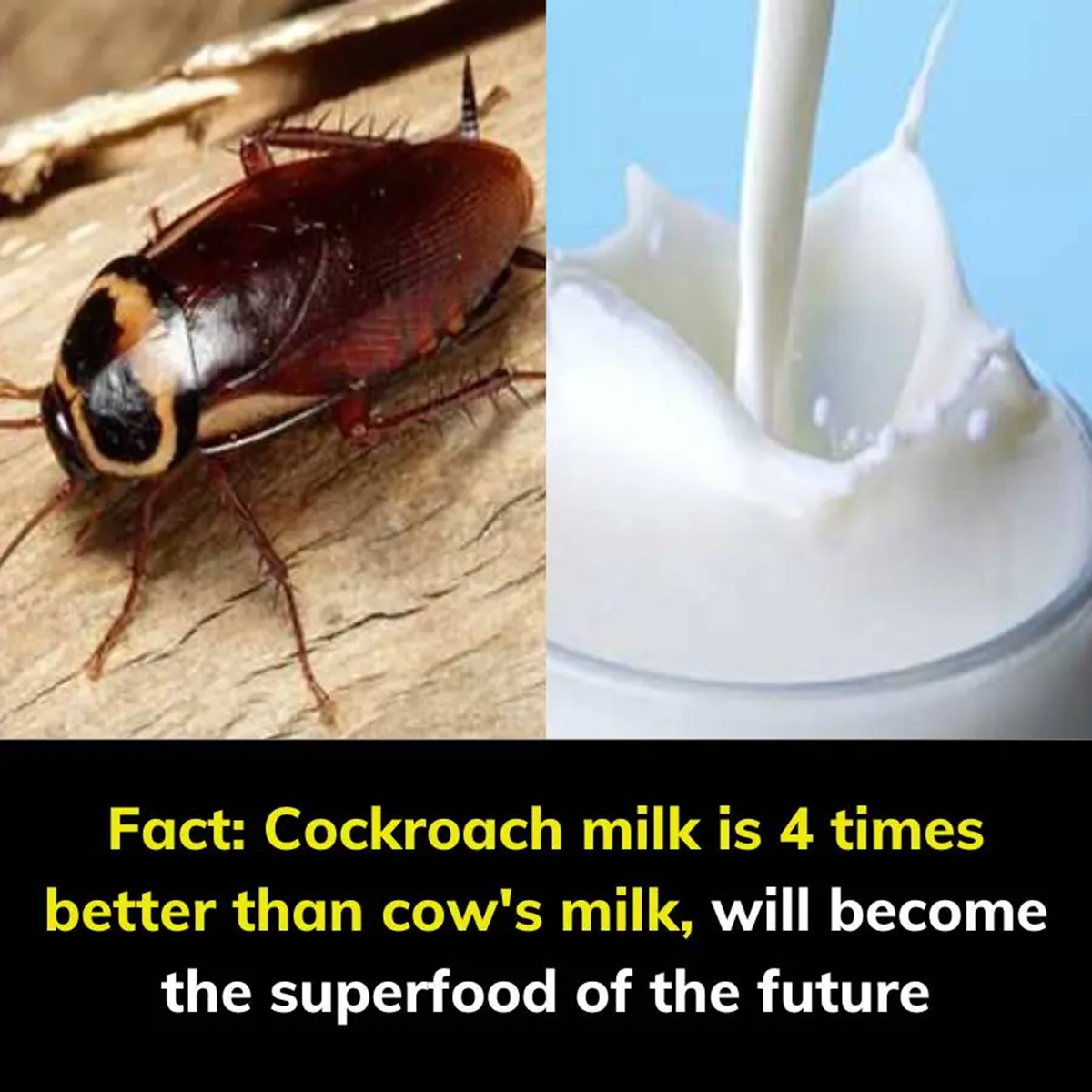
Cockroach milk
After cow, buffalo, goat, and soy-almond milk options, another strange name is making the rounds: cockroach milk. As strange as it sounds, it has become an equally fascinating topic in the world of science. This milk doesn't come from ordinary cockroaches, but from a unique species called the Pacific beetle cockroach, which produces this special liquid to nourish its young. Scientists claim that it surpasses cow and buffalo milk in nutritional value. Let's explore how this milk is extracted and why it's considered so healthy.
From which cockroach do we get this milk?
The Pacific beetle cockroach is a species that gives birth directly to live young instead of laying eggs; this is known as viviparity in scientific terms. The mother cockroach feeds her developing embryos a special fluid, which initially exists in liquid form. As the embryos grow, this fluid crystallizes within their stomachs and forms tiny particles. These shiny crystals are called cockroach milk.
How is this milk extracted?
The process of extracting cockroach milk is completely different from that of cows and buffaloes. It cannot be milked externally, as these crystals form inside the cockroach babies' stomachs. To extract it, pregnant female cockroaches are carefully dissected to access the embryos inside, and then the embryos are opened and the crystals are removed from their stomachs.
Some researchers also use a different method, replacing the embryo with filter paper and allowing it to absorb the fluid. This entire process is extremely delicate and time-consuming, and only a small amount of milk can be obtained at a time.
Why is it considered so nutritious?
According to research, cockroach milk contains significantly higher amounts of protein, essential amino acids, fat, and carbohydrates than any other milk. It contains approximately 45 percent protein and provides all nine essential amino acids. Scientists say its calorie and energy content can be approximately four times that of cow's milk and three times that of buffalo milk. This is why it is considered one of the most nutritious liquids in the world.
Can humans drink this milk?
Currently, there have been no clinical trials on cockroach milk in humans, so it's unclear whether it's completely safe for human health. The process of extracting it is so complex and slow that it's impossible to market it on a large scale, as each extraction requires the loss of a cockroach and its embryo.
This is why scientists are now trying to create this protein in the lab using genetically modified yeast, so that in the future it can be obtained without harming the cockroaches. If this method is successful, it could become a new superfood in the future.