LIFESTYLE
How to store vinegar: Why does vinegar quickly become tasteless? One mistake will ruin the bottle.
Storage Tips: Vinegar can last a long time, but it's important to store it properly. Exposure to light, heat, and air can affect its quality and taste
The right way to store vinegar in the kitchen
How to Store Vinegar Properly in the Kitchen: Vinegar is an essential ingredient in almost every Indian kitchen. From salad dressings to sauces, it's used in a variety of recipes to enhance the flavor of food. Many people also use it for household cleaning. But have you ever noticed that vinegar's taste or aroma doesn't remain the same after a while? This may be due not only to the vinegar's age, but also to its storage method.
Vinegar can last a long time, but proper storage is essential. Exposure to light, heat, and air can affect its quality and flavor. If you want vinegar to retain its tang and flavor for a long time, it's important to pay attention to how you store it in the kitchen.
Why does vinegar spoil or become tasteless quickly?
The acidity and antimicrobial properties of vinegar help it keep for a long time. However, this doesn't mean you should just leave it anywhere. Constant exposure to light, heat, and air can gradually affect the quality of vinegar. Sunlight, in particular, can affect the vinegar's color and flavor. Similarly, storing it near a hot place, such as a stove, oven, or other heat-generating appliance, can also affect its freshness and taste. Frequently leaving the bottle open or exposed to air due to improperly closing the lid can also alter its taste.
How to choose a place to store vinegar?
Store vinegar away from direct sunlight and heat. A cool, dark kitchen cabinet is ideal. Avoid placing it near a window or in a location that receives sunlight throughout the day. Exposing the vinegar bottle to direct light can cause changes in color and flavor over time. Therefore, it's best to store the bottle in a closed cabinet.
Always close the bottle cap tightly.
Be sure to close the bottle tightly after using the vinegar. An open bottle exposes it to constant air, which can trigger oxidation and affect the vinegar's taste. If there's very little vinegar left in the bottle, transferring it to a smaller container is an option. This reduces the amount of air inside the container and reduces the vinegar's exposure to air.
In which container should you store vinegar?
Choosing a container for storing vinegar is also important. Glass or plastic containers are considered better options. Avoid storing vinegar in metal containers, especially steel or aluminum, for long periods of time, as the vinegar can react with the metal, affecting its taste and quality. If purchasing vinegar from the market, it's easier and better to store it in its original bottle, provided the bottle is properly sealed and kept away from heat and bright light.
Is it necessary to keep vinegar in the fridge?
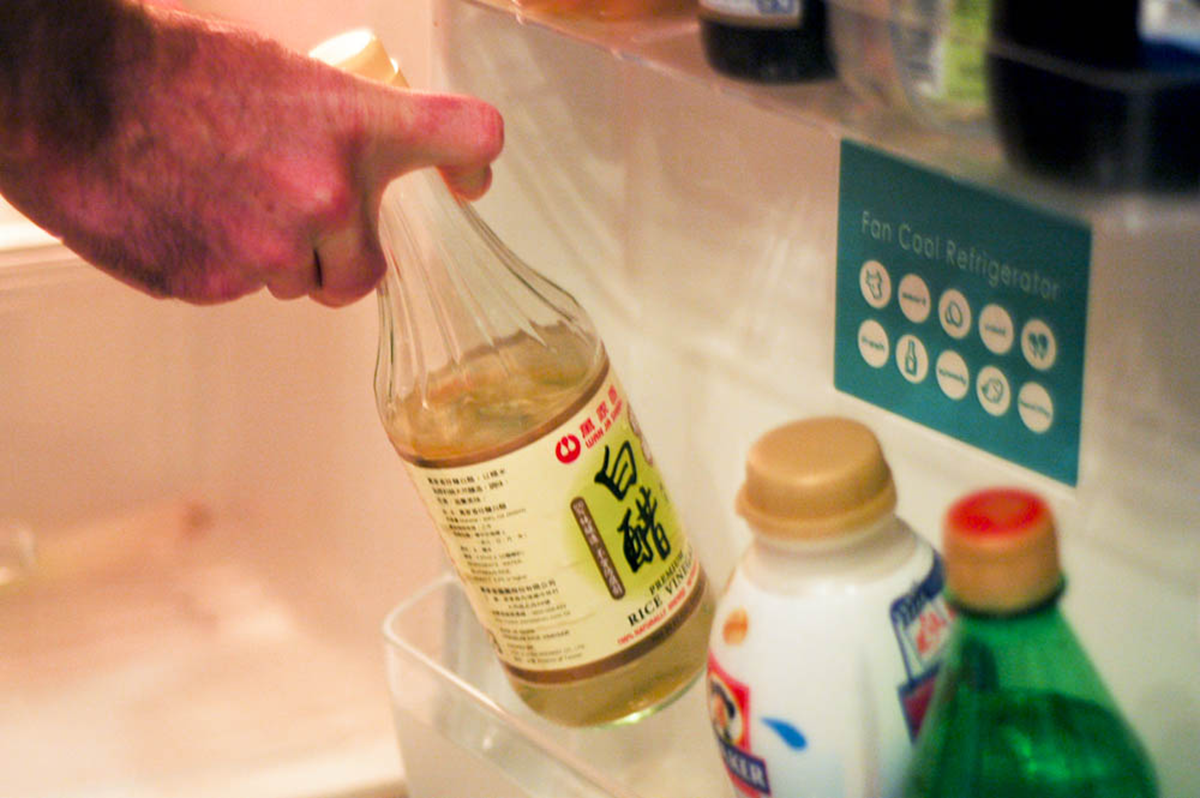
Not all vinegars need to be refrigerated. Vinegars with higher acidity, such as white vinegar, can generally be stored at room temperature in a dark, cool place. However, some vinegars with lower acidity, such as balsamic vinegar, may benefit from refrigeration to preserve their flavor longer. If you use a bottle of vinegar quickly, storing it in a pantry or cool kitchen cupboard may be sufficient. However, if you use it for a long time and want to preserve its flavor, it's best to follow the storage instructions for the respective vinegar.
How do I know if the vinegar is still usable?
To check the freshness of vinegar, first pay attention to its aroma and taste. If it retains its typical strong and sour aroma and there are no unusual changes in taste, it is usually of good quality. Vinegar may sometimes appear cloudy or have some sediment at the bottom of the bottle. This does not always mean that the vinegar has gone bad. Some vinegars, especially those made naturally or unfiltered, may develop sediment over time.
However, if the vinegar suddenly becomes cloudy and there's a noticeable change in its taste, its freshness may be affected. In such a situation, it's best to exercise caution before using it. Vinegar has a long shelf life if stored properly. However, storing it near a stove or oven, leaving it in direct sunlight, or failing to properly seal the bottle after use can affect its quality.