
Business
Bank Locker Rules: Lost Jewellery or Valuables Due to Theft? Know How Much Compensation Banks Must Pay Under RBI Guidelines
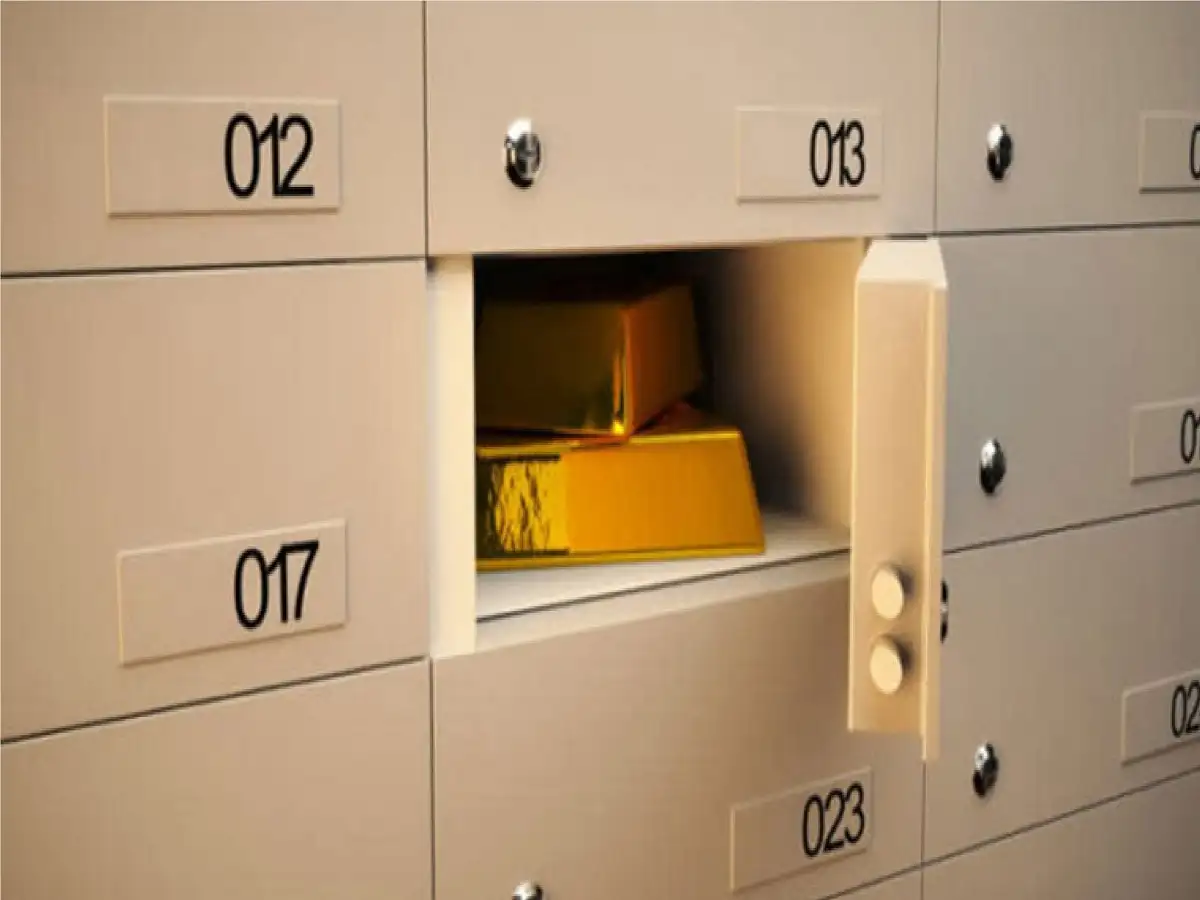
Bank Locker Compensation Rules: Many people prefer keeping gold jewellery, silver ornaments, property documents and other valuables in bank lockers rather than storing them at home. Bank lockers offer enhanced security, but customers should not assume that banks will automatically compensate them for the entire value of their belongings if something goes wrong.
The Reserve Bank of India (RBI) has established specific guidelines governing the responsibilities of banks and locker holders. These regulations explain when banks are liable for losses and how compensation is calculated.
Under RBI's revised locker guidelines, a bank's prescribed liability in certain circumstances is equivalent to 100 times the prevailing annual locker rent. Therefore, customers may not necessarily recover the entire market value of their lost belongings.
When Is a Bank Responsible for Locker Theft or Damage?
Banks are responsible for maintaining appropriate security arrangements at premises where safe deposit lockers are installed.
Under RBI guidelines, banks may be held liable when customers suffer losses due to specified incidents attributable to shortcomings, negligence or omissions on the bank's part.
These circumstances include theft, burglary, robbery, fire, building collapse and fraud committed by bank employees.
For example, if jewellery disappears from a locker because of inadequate security arrangements or fraudulent activities involving bank employees, the affected customer may be entitled to compensation under the applicable regulations.
Banks are expected to maintain adequate surveillance, access controls and security infrastructure to protect locker facilities.
How Much Compensation Will You Receive for Bank Locker Losses?
The compensation amount prescribed under RBI's locker guidelines is linked to the annual rent paid for the locker rather than the actual market value of its contents.
For specified incidents where the bank is liable, the prescribed liability is equivalent to 100 times the prevailing annual locker rent.
For instance, if you pay ₹2,000 annually for a bank locker, the prescribed compensation amount would be ₹2 lakh.
Even if the jewellery stored inside the locker is worth ₹5 lakh, the amount calculated under this RBI provision would remain ₹2 lakh.
Bank Locker Compensation Calculation
| Annual Locker Rent | Compensation at 100 Times Annual Rent |
|---|---|
| ₹1,000 | ₹1,00,000 |
| ₹1,500 | ₹1,50,000 |
| ₹2,000 | ₹2,00,000 |
| ₹2,500 | ₹2,50,000 |
| ₹3,000 | ₹3,00,000 |
| ₹5,000 | ₹5,00,000 |
| ₹10,000 | ₹10,00,000 |
| ₹15,000 | ₹15,00,000 |
These calculations are illustrative and apply to circumstances covered by the RBI's prescribed liability provisions. Additional legal remedies, if available, would depend on the facts of the case and applicable law.
When Are Banks Not Liable for Locker Losses?
RBI guidelines provide certain exceptions under which banks are generally not liable for damage to locker contents.
These include losses caused by natural calamities or events such as earthquakes, floods, lightning and thunderstorms. Banks are also generally not liable for losses resulting solely from the customer's own negligence.
However, banks are still expected to exercise appropriate care in protecting their locker facilities against foreseeable risks.
Incidents involving riots, terrorist attacks or other extraordinary circumstances may require an assessment of the locker agreement, applicable regulations and whether the bank fulfilled its security obligations.
Customers should not assume that every event beyond the bank's immediate control automatically eliminates its liability.
Does the Bank Insure Jewellery Stored Inside Lockers?
Many customers mistakenly believe that annual locker rental charges include insurance coverage for their belongings.
Banks generally do not maintain an inventory of items deposited inside individual lockers. Consequently, they are usually unaware of the quantity, nature or market value of the valuables stored by customers.
The compensation prescribed under RBI guidelines should not be confused with comprehensive jewellery insurance.
Customers storing expensive jewellery or other valuable possessions can consider obtaining separate insurance coverage. Before purchasing a policy, they should confirm whether it specifically covers items stored in bank lockers and understand the applicable exclusions.
Six Important Precautions for Bank Locker Customers
Customers can take several practical steps to protect their financial interests while using bank locker facilities.
- Maintain purchase receipts: Preserve original invoices and ownership documents for expensive jewellery and valuables.
- Keep photographs and valuation records: Maintain an updated record of valuable items stored inside the locker.
- Consider separate insurance: Obtain suitable insurance coverage for high-value jewellery where available.
- Review the locker agreement: Understand the bank's responsibilities, liability provisions and permitted locker contents.
- Update nomination details: Ensure that nominee information and registered contact details remain accurate.
- Keep the locker key secure: Never share locker keys or confidential access information with unauthorised individuals.
Customers should also avoid storing cash, currency or prohibited items where doing so is restricted under their locker agreement.
What Should You Do If Items Go Missing From Your Bank Locker?
If you discover that jewellery, documents or other belongings are missing from your bank locker, immediately inform the branch manager and submit a written complaint.
Request that the bank preserve relevant CCTV recordings, locker access records and other available security evidence. In suspected theft or fraud cases, customers should also approach the police.
Preserve purchase invoices, photographs, valuation certificates and other documents that may help establish ownership and the value of the missing belongings.
If the bank fails to resolve the complaint satisfactorily, customers may approach the RBI's Complaint Management System, subject to the applicable eligibility requirements and grievance resolution timelines.
RBI Complaint Management System: cms.rbi.org.in
Why Signing the Revised Bank Locker Agreement Is Important
The RBI's revised locker framework requires banks to establish agreements outlining the rights and responsibilities of both the bank and the customer.
Locker holders should ensure that their agreements comply with the applicable RBI guidelines. They should also retain a copy of the signed agreement for future reference.
Understanding the compensation provisions beforehand can help customers make informed decisions about storing high-value possessions.
Although bank lockers provide an additional layer of security, they do not guarantee reimbursement of the entire value of stored belongings. Maintaining ownership records, obtaining appropriate insurance and understanding the bank's liability provisions can help customers protect themselves against unexpected financial losses.
Official Website: Reserve Bank of India
Note: The article is based on the supplied report and RBI's established revised safe deposit locker framework. Any subsequent amendments through November 2026 have not been independently verified. Compensation eligibility and additional legal remedies may vary depending on individual circumstances.