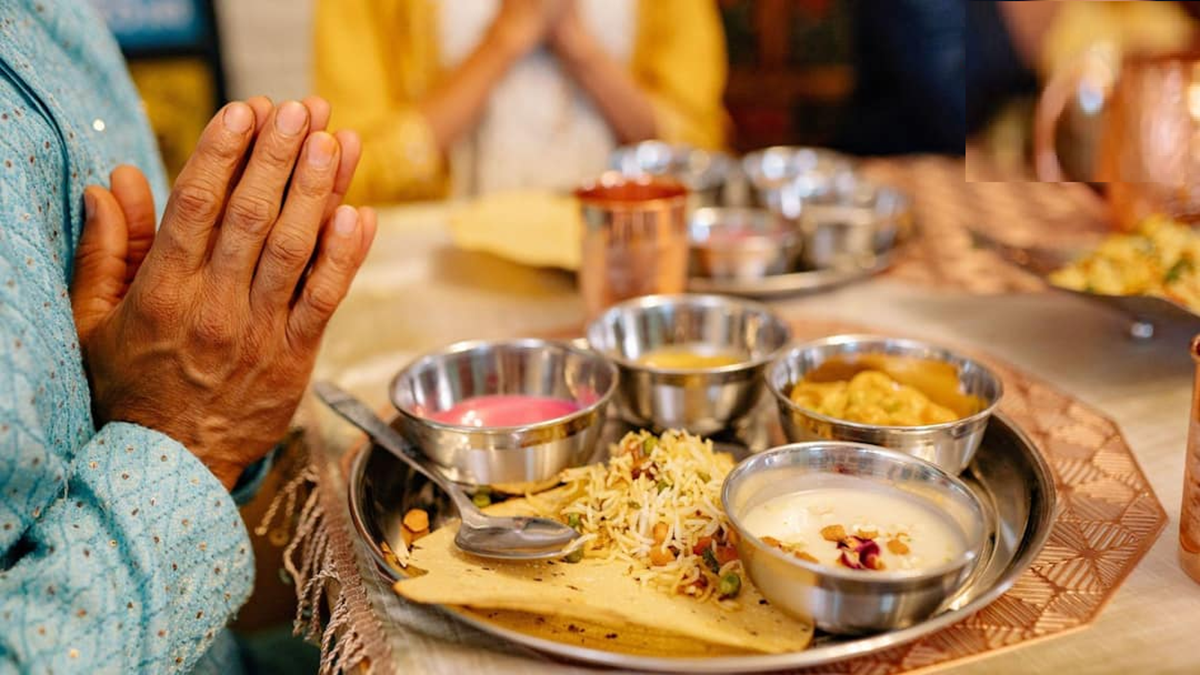
Homemade food is considered good for health, but excessive consumption of certain ingredients can increase fat in the liver. Learn about the mistakes to avoid and what to keep in mind.
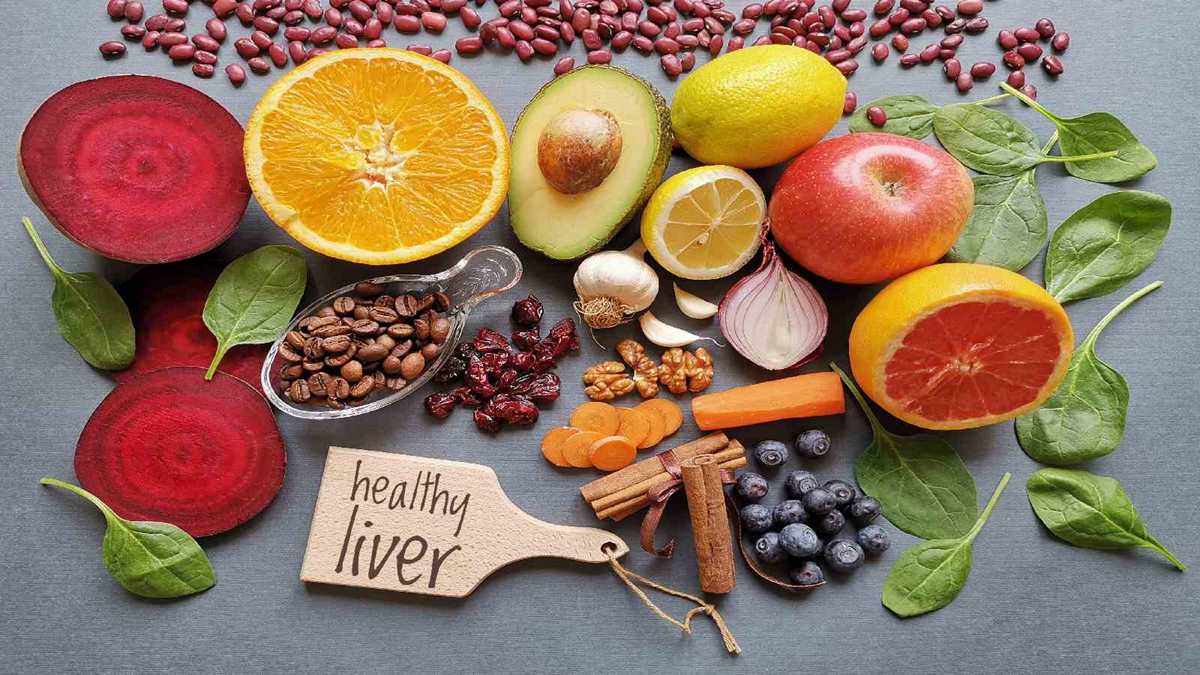
Fatty liver with homemade food
Home-cooked food is generally considered a better option than eating out. But did you know that even daily home-cooked meals can impact liver health? This isn't due to the food itself being cooked, but rather the ingredients and quantity used. Consuming excess oil, ghee, sugar, and high-calorie foods daily increases the risk of weight gain and fat accumulation in the liver. This is known as fatty liver. Let's explore the common mistakes made while eating home-cooked meals that can impact liver health.
Excessive ghee, oil, and fried food can increase the problem.
Homemade parathas, puris, pakoras, and other fried foods are certainly delicious, but eating them frequently and in large quantities is unhealthy. Excessive ghee, butter, and oil in food contributes to excess calories. Consuming excessive calories over a long period of time leads to weight gain and increases the risk of fat accumulation in the liver. This condition is called fatty liver. Eating parathas or puris occasionally doesn't harm the liver. The problem worsens when the diet is unbalanced and physical activity is limited. Therefore, limit the amount of oil and ghee in your diet. Include pulses, vegetables, and other nutritious options in your diet.
Avoid eating these things.
Homemade sweets, halwa, kheer, and sweet tea are part of many people's daily diets. However, excessive sugar intake contributes to excess calories. Regular consumption of sweetened beverages and high-sugar foods is linked to a higher risk of fatty liver. Similarly, avoid eating foods made from refined flour and excessively refined carbohydrates. This doesn't mean you should stop eating roti, rice, or paratha. It's more important to monitor their portions and include whole grains, pulses, fruits, and vegetables in your diet. A balanced diet and regular physical activity help manage weight.
Also understand overeating and excessive salt intake
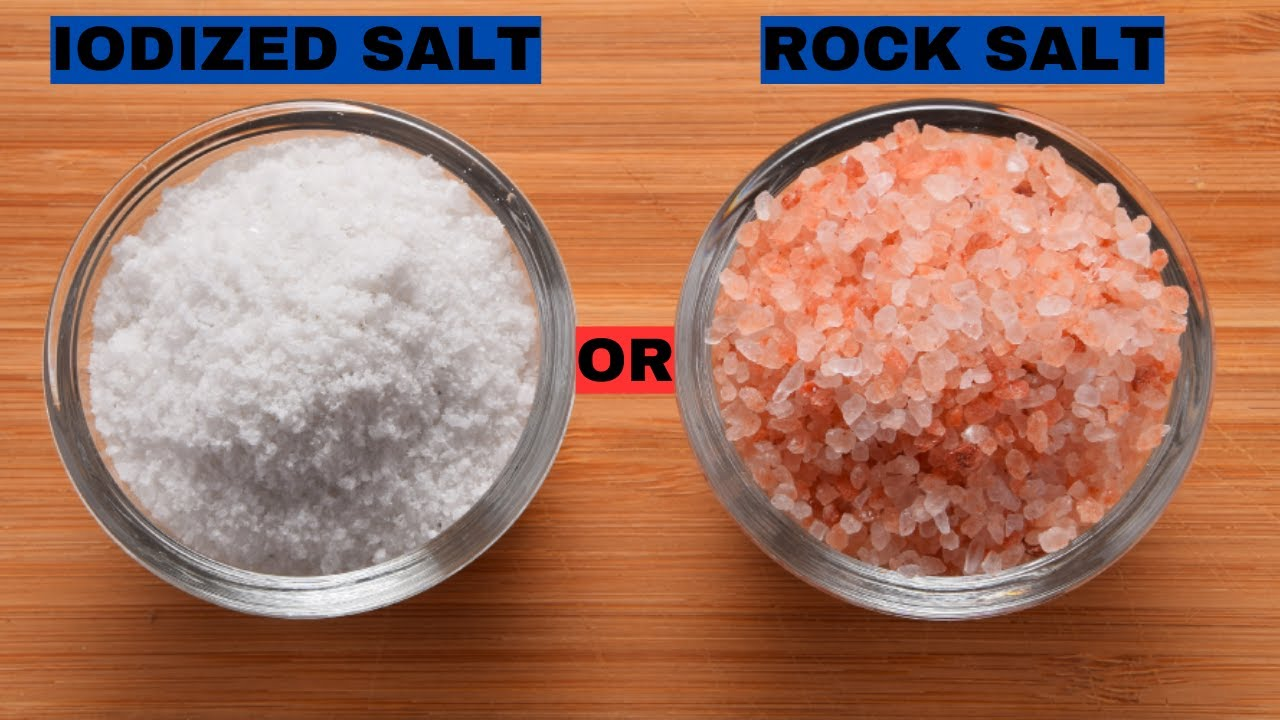
Many times, people overeat or eat frequently throughout the day. If this leads to a high daily calorie intake, it leads to weight gain and increases the risk of fatty liver. Therefore, pay attention to the portion size and eat according to your appetite. Additionally, excessive salt intake should be reduced. It is not correct to consider salt as the primary cause of fat accumulation or inflammation in the liver. Excessive salt increases the risk of problems like high blood pressure. Doctors advise limiting salt intake for those with serious liver disease and water retention. To maintain a healthy liver, eat a balanced diet, exercise regularly, and maintain a healthy weight. If you already have fatty liver or diabetes, make dietary changes as advised by your doctor.