FOOD & RECIPE
Holi 2026: Why are Gujiyas made on Holi? Learn about its history and an easy way to make them at home.

It's not just a sweet treat, but part of the tradition of celebrating the festival with family. When guests visit the house on Holi, Gujiya is often the first thing they're served.
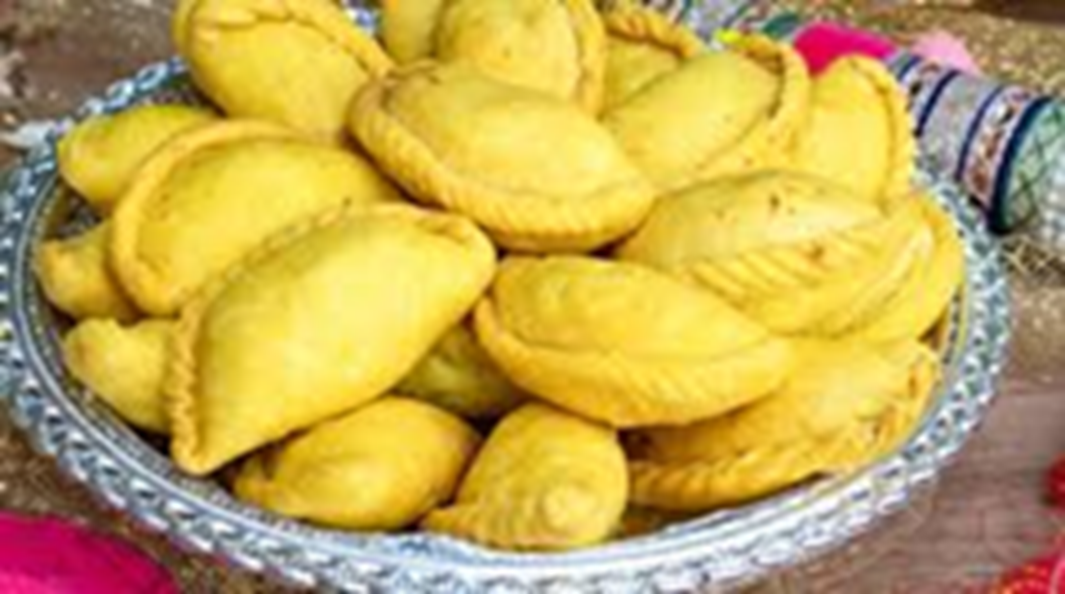
Holi 2026 Gujiya Recipe
As the month of Phalgun begins and the festival of colors approaches, excitement naturally builds in homes. Markets brim with colors, water guns, and sweets. Especially in North India, Holi isn't just about playing with colors, but also about enjoying delicious dishes. Among these dishes, Gujiya holds a special place.
It's not just a sweet, but part of the tradition of celebrating the festival together with family. When guests visit the house on Holi, Gujiya is often served first. But have you ever wondered why Gujiya is made on Holi? What is its history and religious significance? So, let's learn today why Gujiya is made on Holi, its history, its mythological significance, and its easy way to make it at home.
What does the history of Gujiya say?
According to historians, the origin of Gujiya can be traced back to the 13th to the 17th century. References to a sweet similar to Gujiya date back to the 13th century, but it wasn't fried in ghee at that time. In those days, small balls of wheat flour were filled with jaggery and honey and dried in the sun. This sweet was very simple and was typically made during the spring harvest season. Gradually, this tradition became associated with the festival of Holi.
Is there any foreign influence on Gujiya?
Some food historians believe that Gujiya may have been influenced by Baklava, a Turkish and Middle Eastern sweet. Baklava is a thin layer filled with dried fruits and sweet syrup. It is believed that the concept of dried fruits and sweet fillings reached India through ancient trade routes. Some also associate it with the sweet version of the samosa, which is also believed to have its roots in West Asia. When the Mughals came to India, they brought many dishes with them. Gujiya's form changed during the Mughal period in the 16th and 17th centuries. This is also the time when fillings of khoya, sugar, and dried fruits became popular, and the tradition of frying in ghee began.
Is Gujiya completely Indian?
Many scholars believe that the gujiya has deep Indian roots. Ancient Sanskrit texts mention a sweet called karnika, filled with honey and nuts. This is believed to be the earliest form of gujiya. Over time, it evolved into the delicious gujiya we know today.
The Bundelkhand region of Uttar Pradesh is considered a major center for the tradition of making Gujiyas on Holi. It holds special significance in the Braj region, especially in Vrindavan. For centuries, Gujiyas and Chandrakala have been offered to Lord Krishna at the famous Radha Raman Temple in Vrindavan. The festival of Holi is associated with the pastimes of Radha and Krishna, making Gujiyas an essential part of the festival.
Different names in different states
Gujiya is known by different names in different parts of the country. In Maharashtra, it's called Karanji. In Gujarat, it's called Ghughra. In many parts of Bihar, it's called Pedakiya. While the names may change, the taste and sweetness remain the same.
Easy way to make Gujiya at home
1. Mix the ghee with the flour and mix well. Then add water little by little and knead into a stiff dough. Cover and let it rest for 30 minutes.
2. Now fry the khoya on low flame. When it cools down, add sugar, dry fruits, and cardamom powder to it.
3. Roll out a small ball of dough and give it the shape of a puri. Place the filling in the middle, apply some water on the edges, and close it, if you want, make a design with a cutter.
4. Heat ghee in a heavy-bottomed pan. Fry the gujiyas over medium heat until lightly golden brown.
5. Now take it out on tissue paper and after it cools down, keep it in a box.